









Which wall finish helps create pleasant acoustics?
When designing a space, people often consider appearance, sustainability and functionality. Yet acoustics also largely determine how a space is experienced. The right wall finish can reduce distracting reverberation while also contributing to the design. But which solution is best suited to your project?
Yentl
24 November 2026
Why are more and more designers choosing felt for their walls?
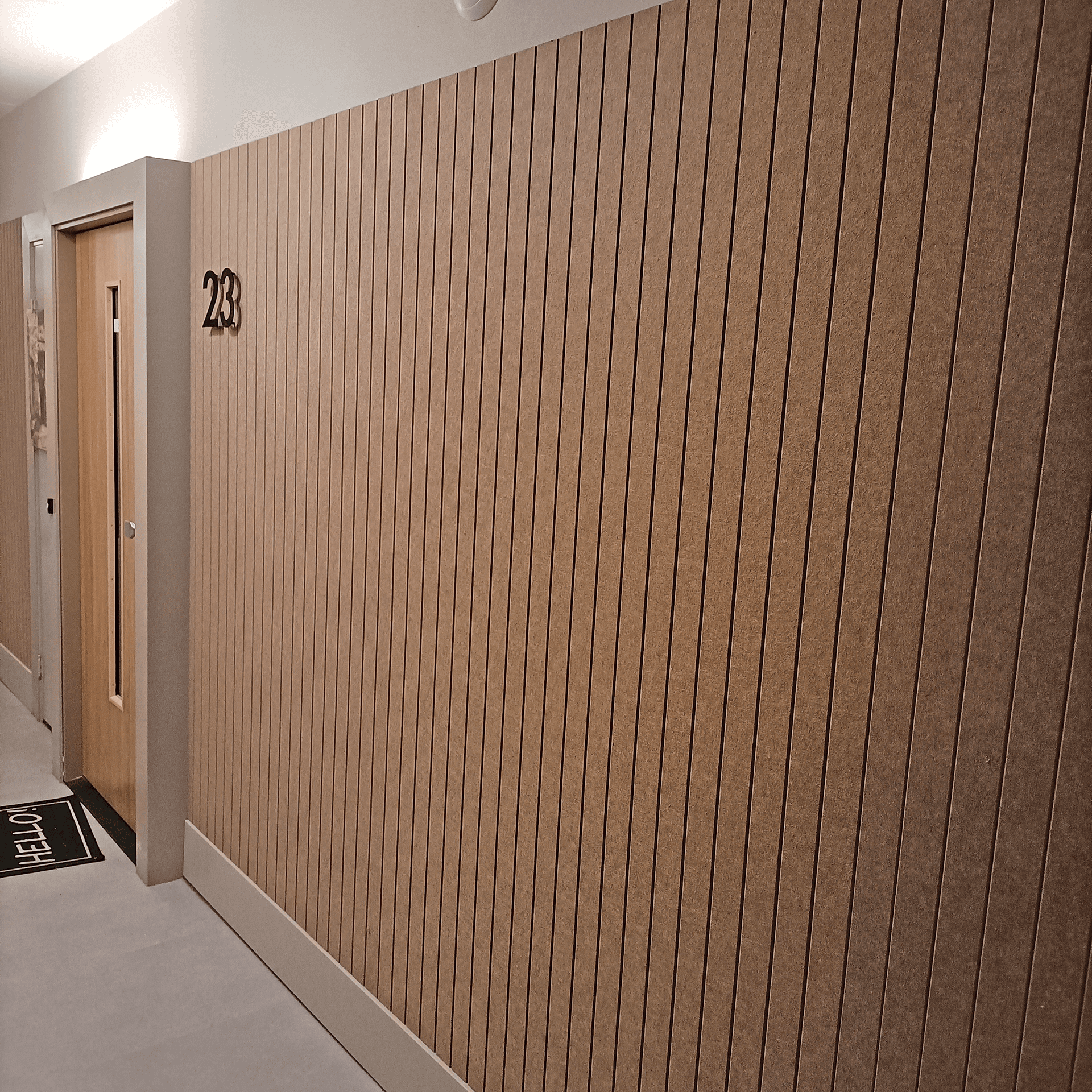
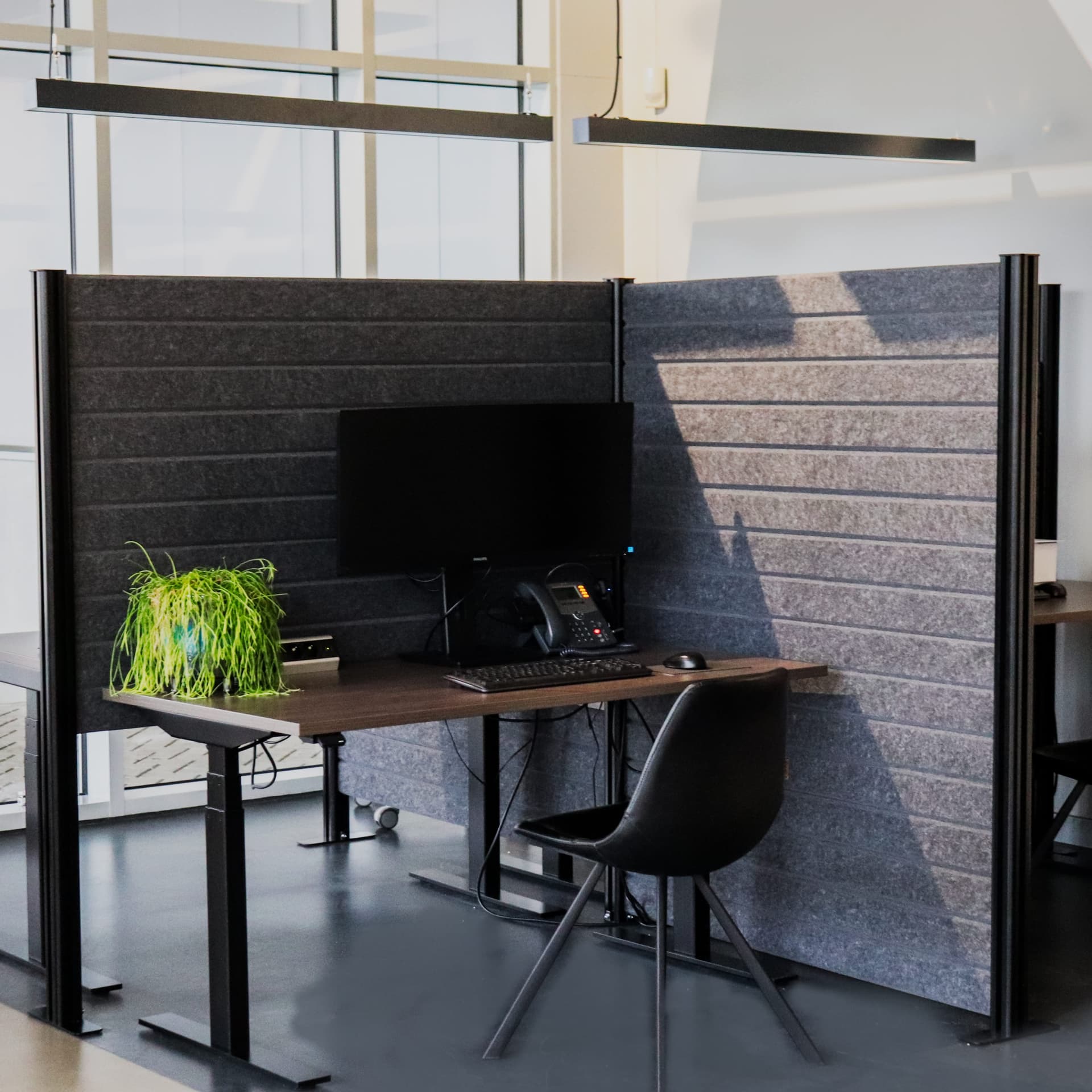
Acoustics are playing an increasingly important role in modern interior design. At the same time, materials need to contribute to the look and feel of a space. As a result, felt is increasingly being used on walls in offices, educational buildings, hospitality venues and public spaces.
In particular, PET felt is popular because it combines design freedom with sound-absorbing properties. Depending on the design, felt wall covering can be used as a subtle finish or as striking acoustic wall decoration.
How does acoustic felt contribute to improved room acoustics?
When sound strikes hard surfaces, it is reflected back into the room. Materials such as glass, concrete and stone amplify this effect. Acoustic felt helps absorb some of these reflections, reducing reverberation and improving speech intelligibility.
However, performance is determined by more than just the material. The thickness, the shape of the panel, the surface and any air gap also play an important role.
Why the wall is so important for acoustics
Walls often provide plenty of surface area for absorbing sound. As a result, they make an important contribution to a room’s acoustics while also becoming a striking part of the interior.


Is thicker always better?
When choosing acoustic wall solutions, the material thickness is often the first thing considered. Although thickness certainly affects performance, it does not tell the whole story.
Besides thickness, other factors also play an important role, such as:
- the shape of the panel;
- the presence of an air gap;
- the surface of the material;
- the positioning on the wall;
- the total amount of material used.
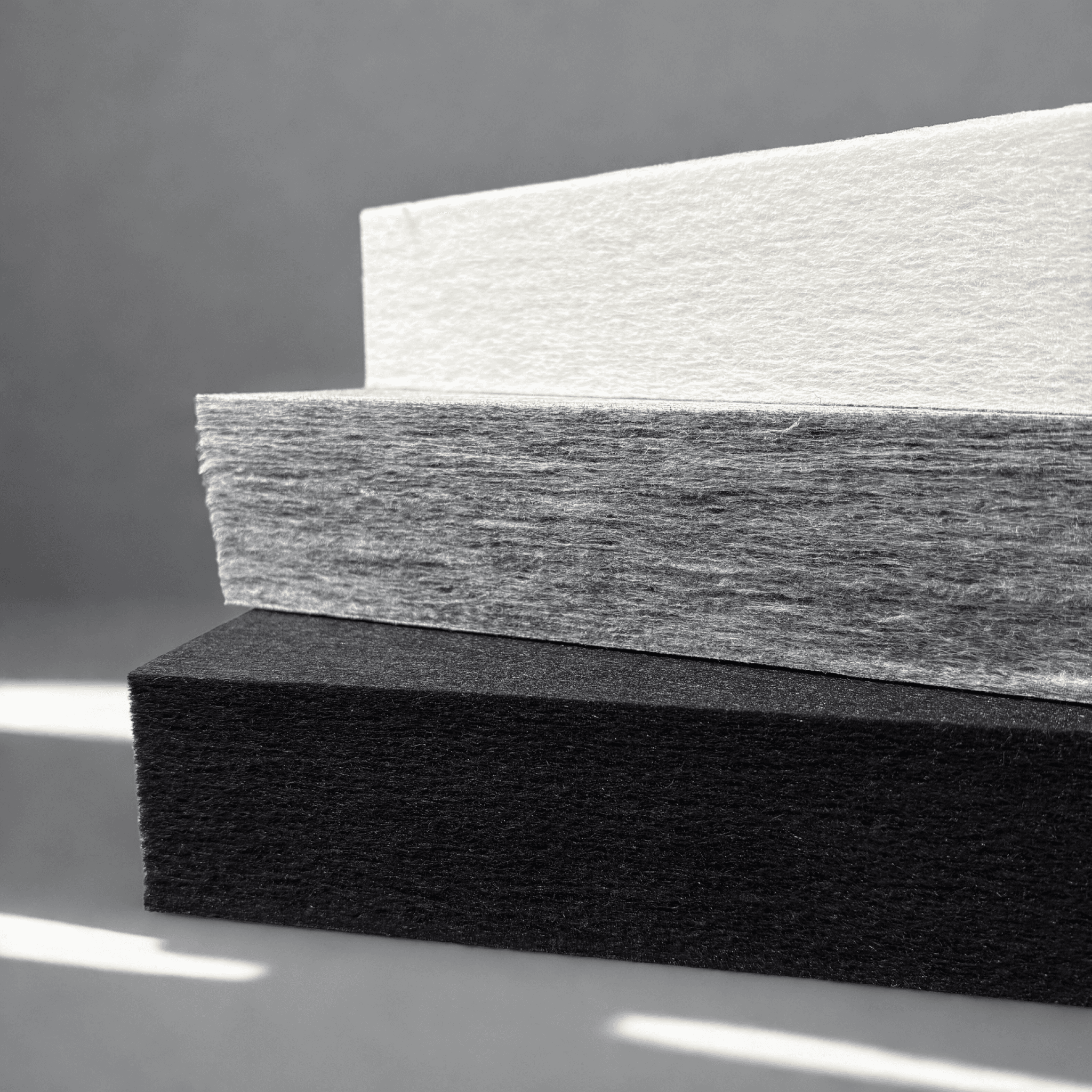
In general, the thicker the PET felt, the better the sound absorption. That is why 25 mm or 50 mm panels often deliver higher acoustic performance than thinner solutions. However, thickness is not the only determining factor.
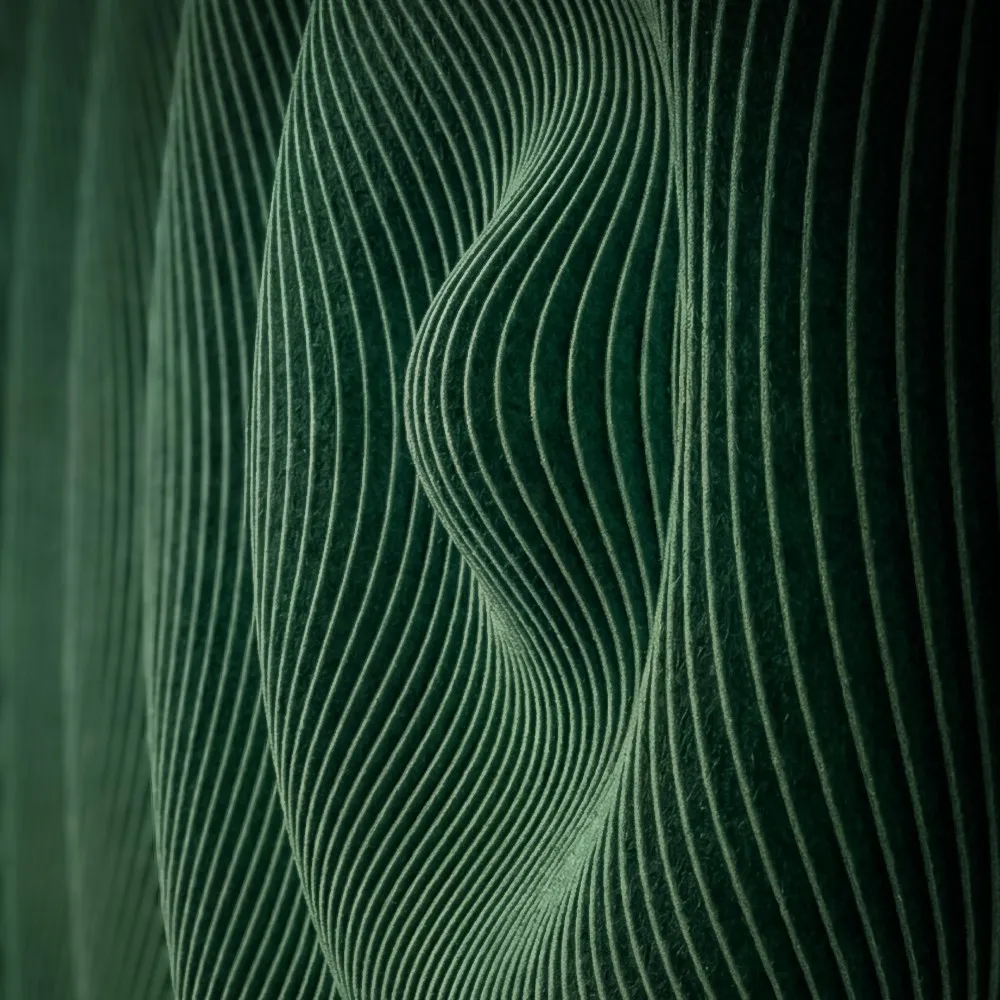
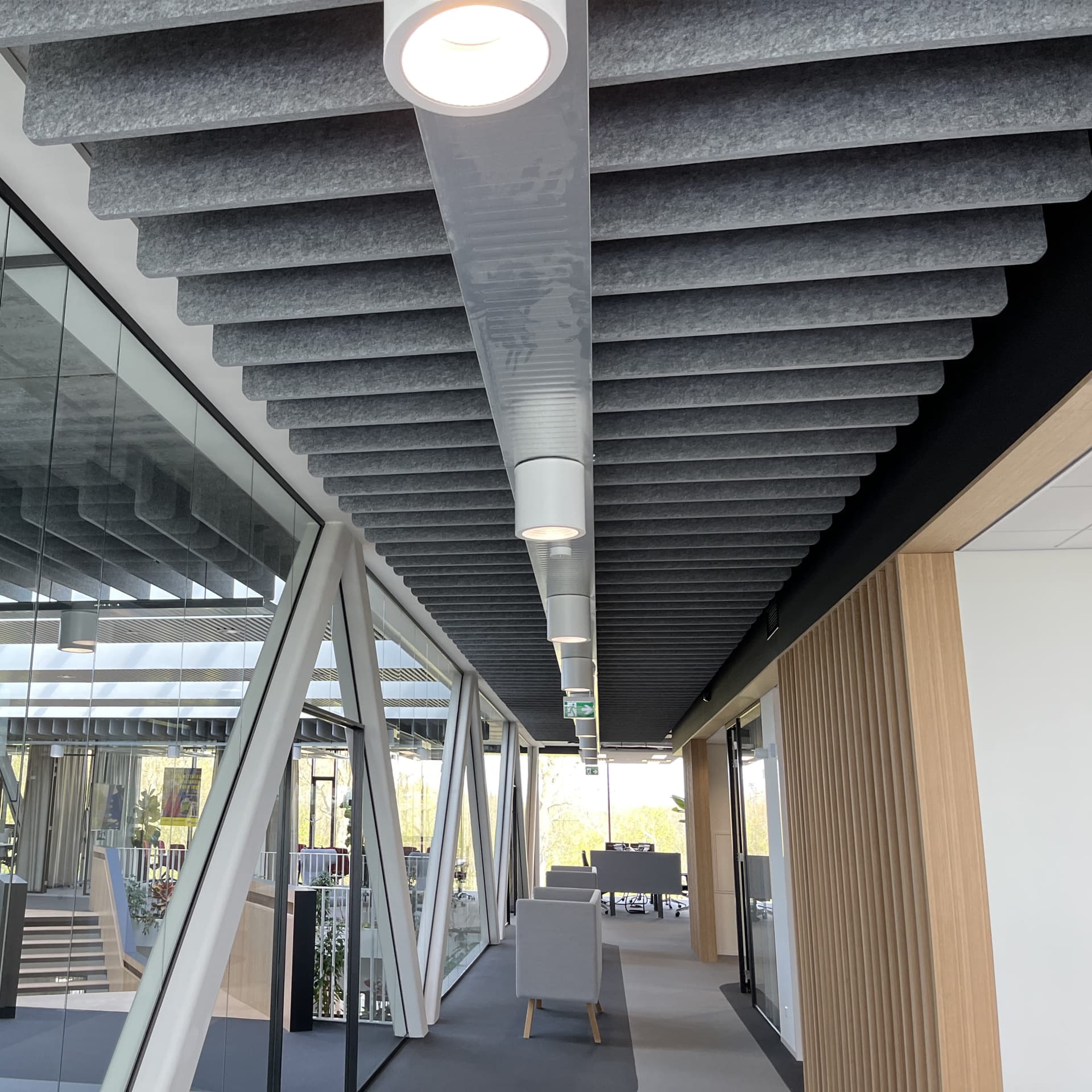
The design also affects how a felt panel performs. Some acoustic felt wall panels feature an air gap, cut-outs or a 3D structure. This gives sound more space to penetrate the material, which can improve absorption.
As a result, a cleverly designed felt wall panel with an air cavity can achieve greater sound absorption than a flat panel of the same thickness mounted directly against the wall. The distance from the wall increases the effectiveness of the system, particularly at low and mid frequencies.
For architects, interior architects and commercial interior designers, it is therefore important not to look only at the material thickness, but at the complete system. It is precisely the combination of thickness, design, air gap and positioning that ultimately determines the acoustic performance of a space.


The differences between commonly used PET felt thicknesses
9 mm PET felt
9 mm PET felt is widely used as decorative wall covering and for applications where appearance is paramount.
Benefits:
- Slimline design
- Easy to integrate into existing interiors
- Suitable for large wall surfaces
- Plenty of design freedom
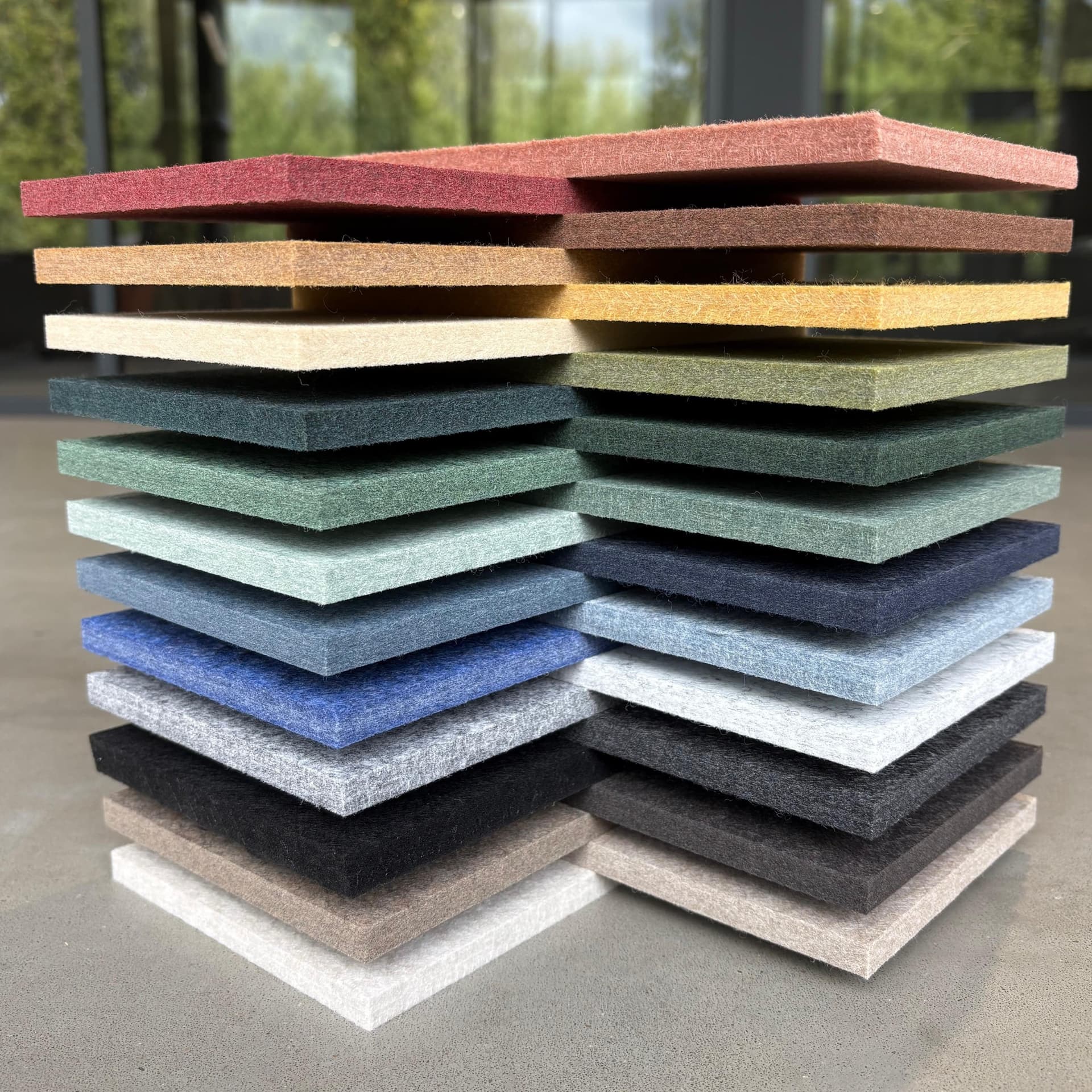
- Wide range of colour options
Acoustically, 9 mm PET felt helps to reduce reflections. For spaces with higher acoustic requirements, thicker systems are often more effective. 9 mm felt panels are generally used as acoustic felt wallpaper.
18 mm PET felt
18 mm is a commonly used thickness for acoustic wall panels. It offers a good balance between appearance and acoustic performance for many projects. You can choose from the same colours as the 9 mm collection, and the acoustic performance is close to that of a 25 mm panel.
Benefits:
- Good balance between design and acoustics
- Full colour choice of the 9 mm collection
- Absorption virtually equal to 25 mm
25 mm PET felt
When higher absorption values are desired, thicker felt wall panels are often chosen, such as 25 mm. A greater material thickness generally results in better performance, especially at mid frequencies, which are important for speech.
Benefits:
- Improved absorption of mid-range frequencies
- Greater depth in the design
- Suitable for larger spaces and open-plan work environments
This thickness is regularly used in projects where a noticeable acoustic improvement is desired, without immediately requiring heavy or complex constructions.
50 mm PET felt
For spaces where acoustics play a major role, such as educational environments, sports halls or public buildings, 50 mm felt acoustic panels can be an interesting solution.
Benefits:
- High absorption values
- More effective at lower frequencies
- Suitable for projects with stricter acoustic requirements
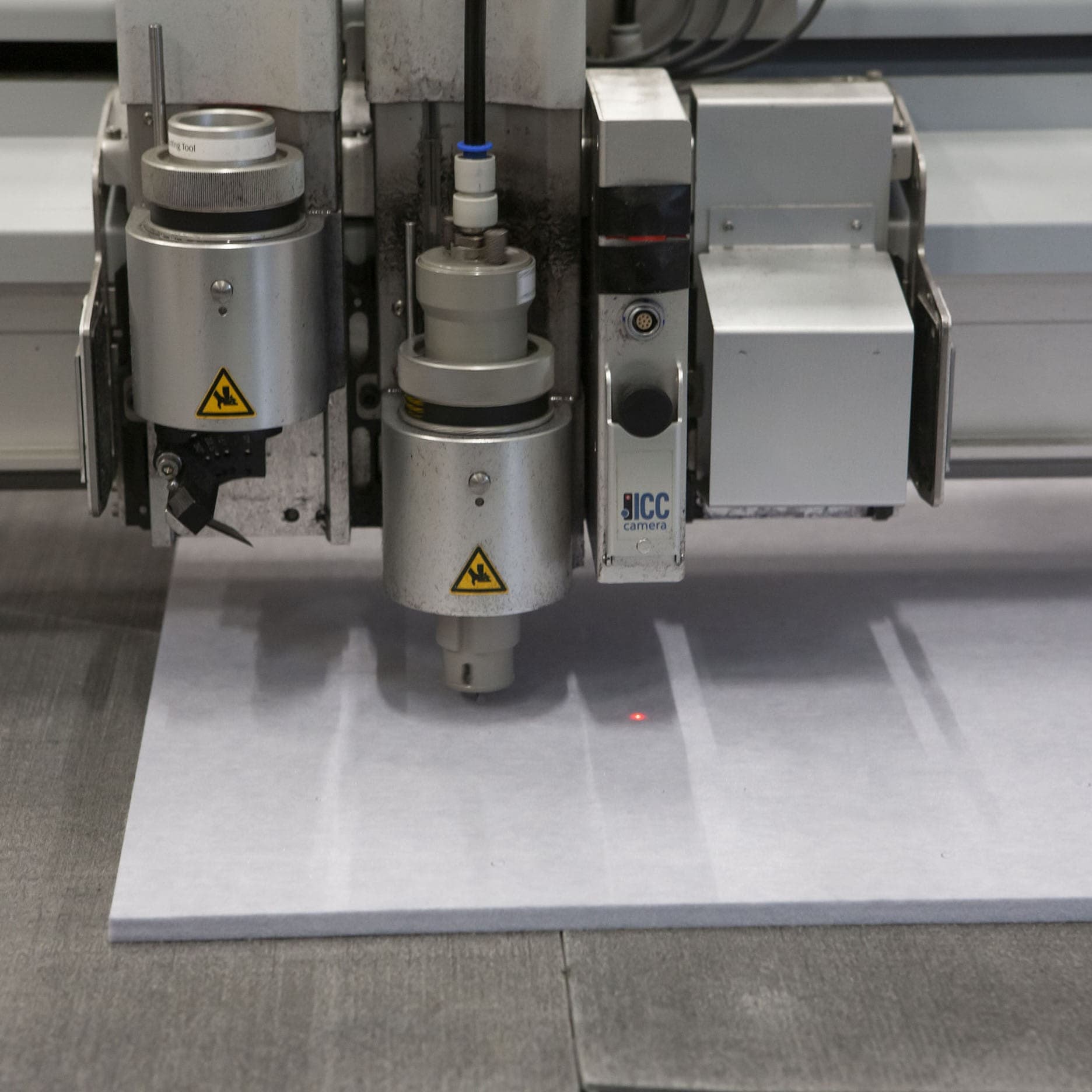
Due to their larger build-up, these systems do take up more space on the wall, and the design options are more limited. Thick PET felt is more difficult to process, meaning that complex patterns and cut-out shapes are only possible to a limited extent. Therefore, 50 mm PET felt is generally used in simpler designs where acoustic performance is the priority.

Acoustic decoration as part of the interior
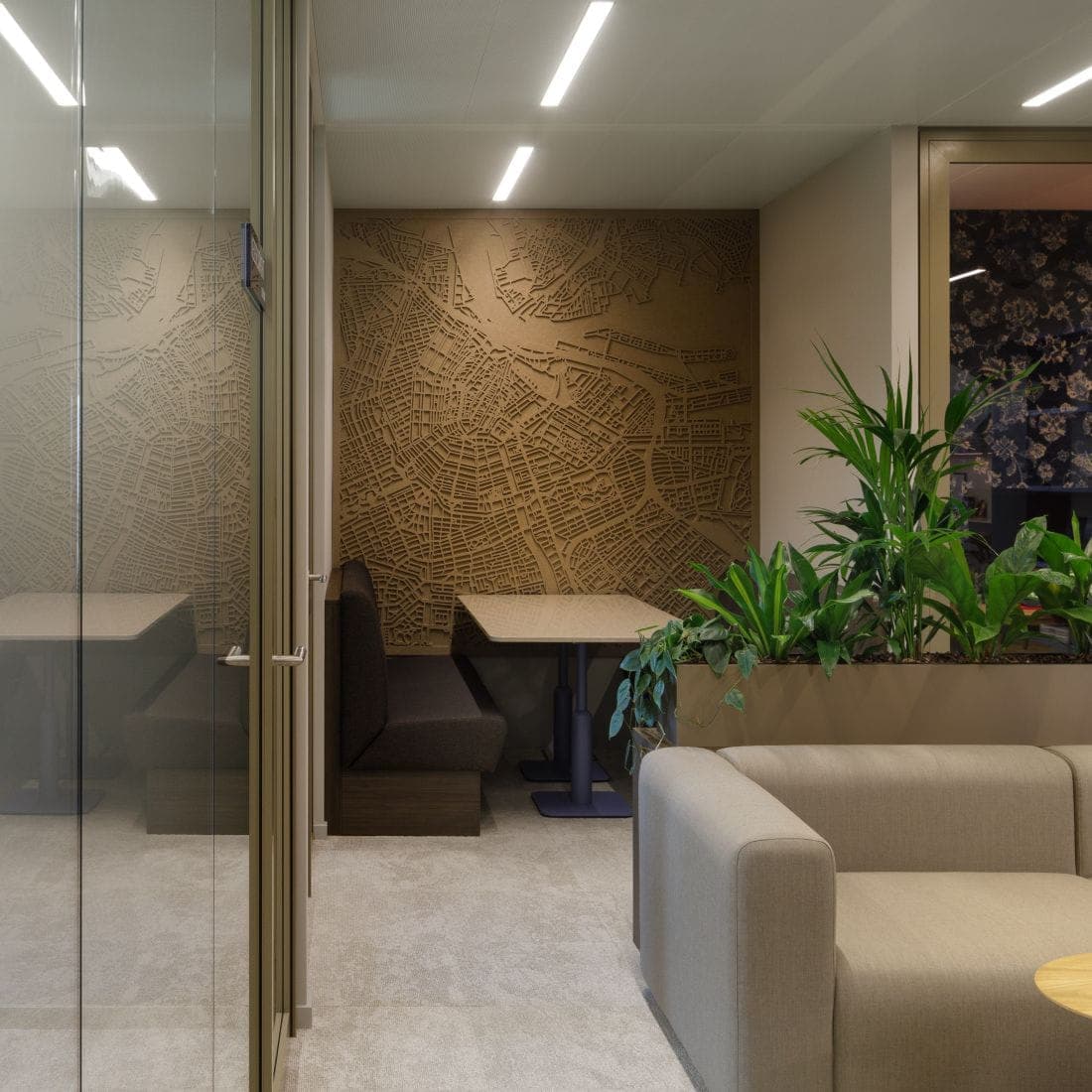
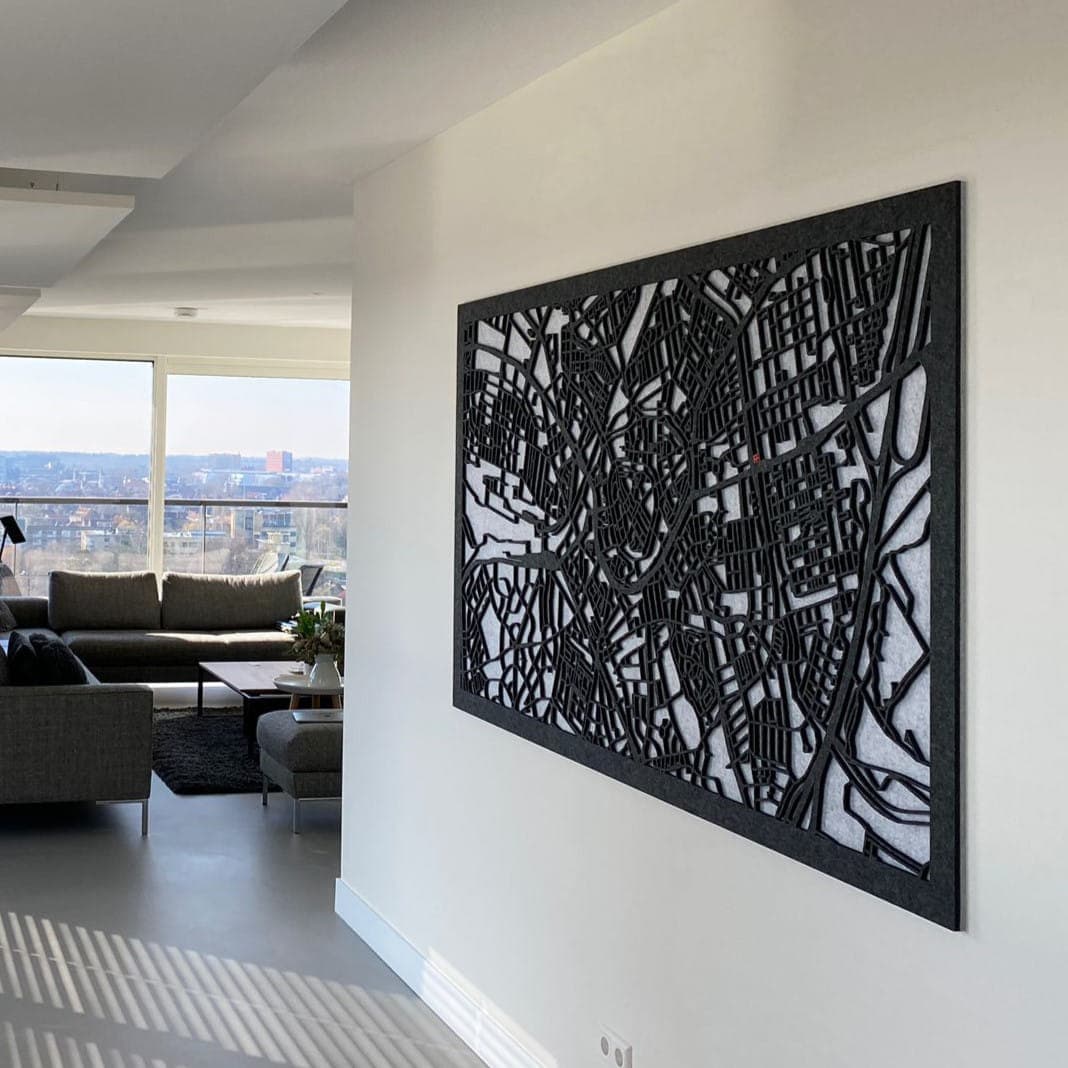
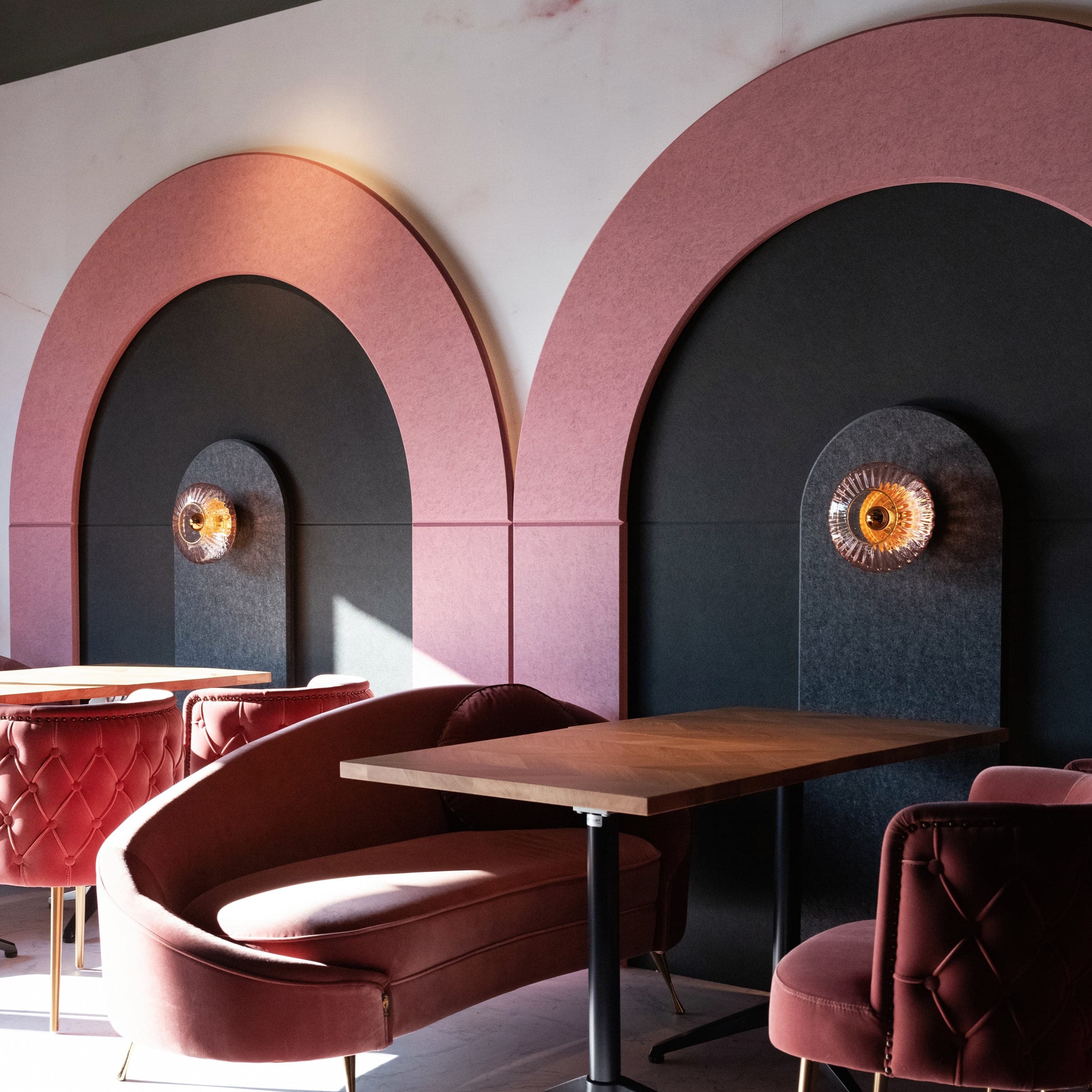
Where acoustics used to be primarily a technical challenge, they are increasingly being integrated into the design. Acoustic wall coverings no longer need to be hidden, but can instead contribute to the identity of a space.
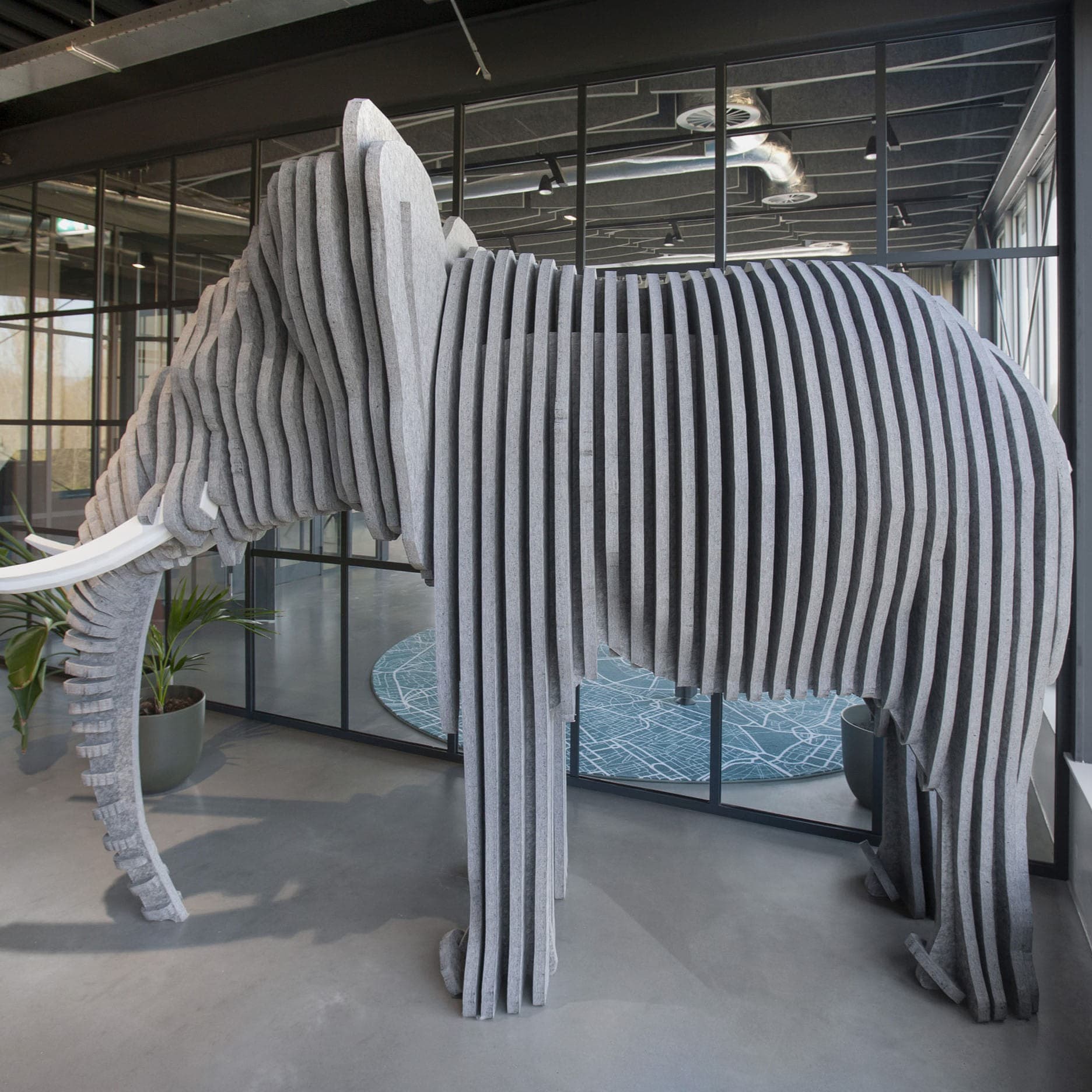
Think of patterns, reliefs, bespoke shapes or geometric compositions in felt. This creates acoustic wall decoration that not only absorbs sound, but also adds visual value.
For contract interior designers, architects and fit-out specialists, this offers opportunities to combine functionality and aesthetics.
Look beyond the product alone
There is no universal solution for every space. A meeting room has different requirements than an auditorium, restaurant or open-plan office. Moreover, the final result is determined not only by the panels, but also by the ceiling, floor, furnishings and total absorptive surface area.
A smaller quantity of thick panels therefore does not automatically deliver a better result than a larger surface area of well-positioned felt wall covering. By considering the material, thickness, design and positioning of the wall solution at an early stage, you can create a space that not only looks good, but also sounds pleasant.
By considering the material, thickness, design and positioning of acoustic wall solutions at an early stage, you can create a space that not only looks good, but also sounds pleasant. This makes felt acoustic wall panels an interesting option for many designers in modern interior design projects.

The right felt solution for your project
From acoustic felt wallpaper to acoustic felt wall panels: the best solution depends on the space, the acoustic requirements and the design. While thin solutions mainly contribute to the appearance and reducing reflections, thicker felt panels, felt wall panels and 3D solutions with an air gap can absorb considerably more sound.
For professional projects, it therefore pays to look not only at the thickness of a panel, but at the complete system. This creates a solution in which PET felt, design and acoustic comfort come together optimally.
Not sure which thickness or system is best suited to your project? Contact EASYfelt for personalised advice or request colour samples.