












What interior architects often underestimate about acoustics and how felt helps
A space can look beautiful and still not feel comfortable. You may recognise it: an open-plan office where employees struggle to concentrate, a meeting room where voices overlap, or a reception area that feels more restless than expected. Often, the cause is not the design itself, but something that is frequently underestimated: acoustics.
25 August 2026
As a specialist in PET felt, we see every day at EASYfelt how significant an impact sound has on the experience of a space. The good news? With smart solutions such as felt panels, you can significantly improve the acoustics without compromising on design.


Why Acoustics Are So Important
When sound waves hit hard surfaces such as glass, concrete, wood or plastered walls, they bounce back into the room. The more hard materials there are, the more sound is reflected. This creates reverberation and a distracting acoustic environment.
Many people do not consciously notice this, but they do feel the effects. Concentrating takes more energy, conversations become more tiring and rooms feel less comfortable.
We see this particularly often in modern interiors. Large open spaces, sleek finishes and minimalist designs are beautiful to look at, but often pose a challenge for acoustics.

Why acoustics often receive attention later than they deserve
For new-build and renovation projects, the initial focus is often on layout, appearance, circulation and material choices. Understandably so, as these are the elements that are immediately visible. As a result, acoustics are not always considered early in the design process.
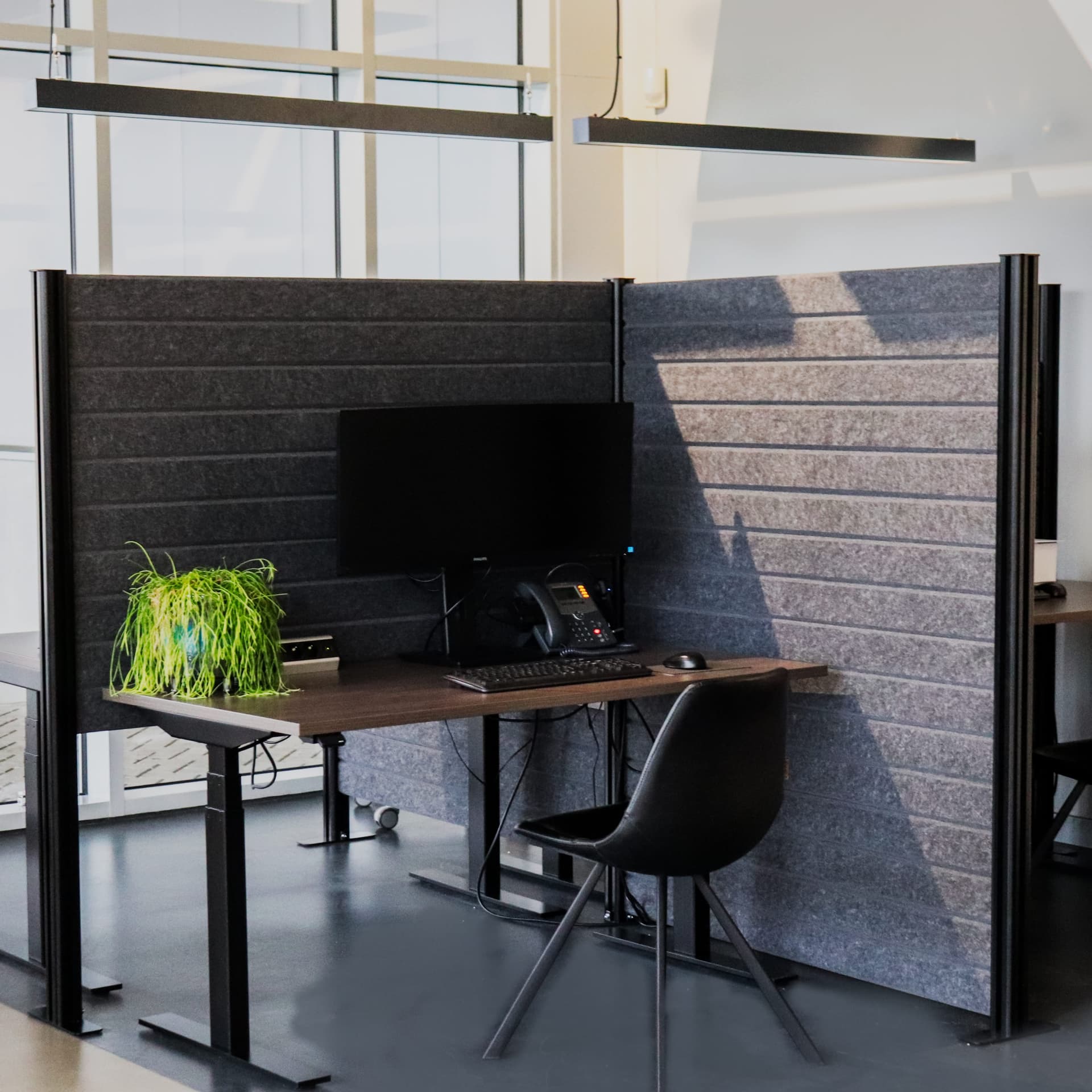
We regularly see that acoustic challenges only become apparent after a space is put into use. Particularly in offices with open-plan workspaces, lots of glass surfaces and hard finishes, the perceived noise level can be higher than expected beforehand. Employees experience more distractions, conversations are less easy to understand and spaces feel more unsettled.
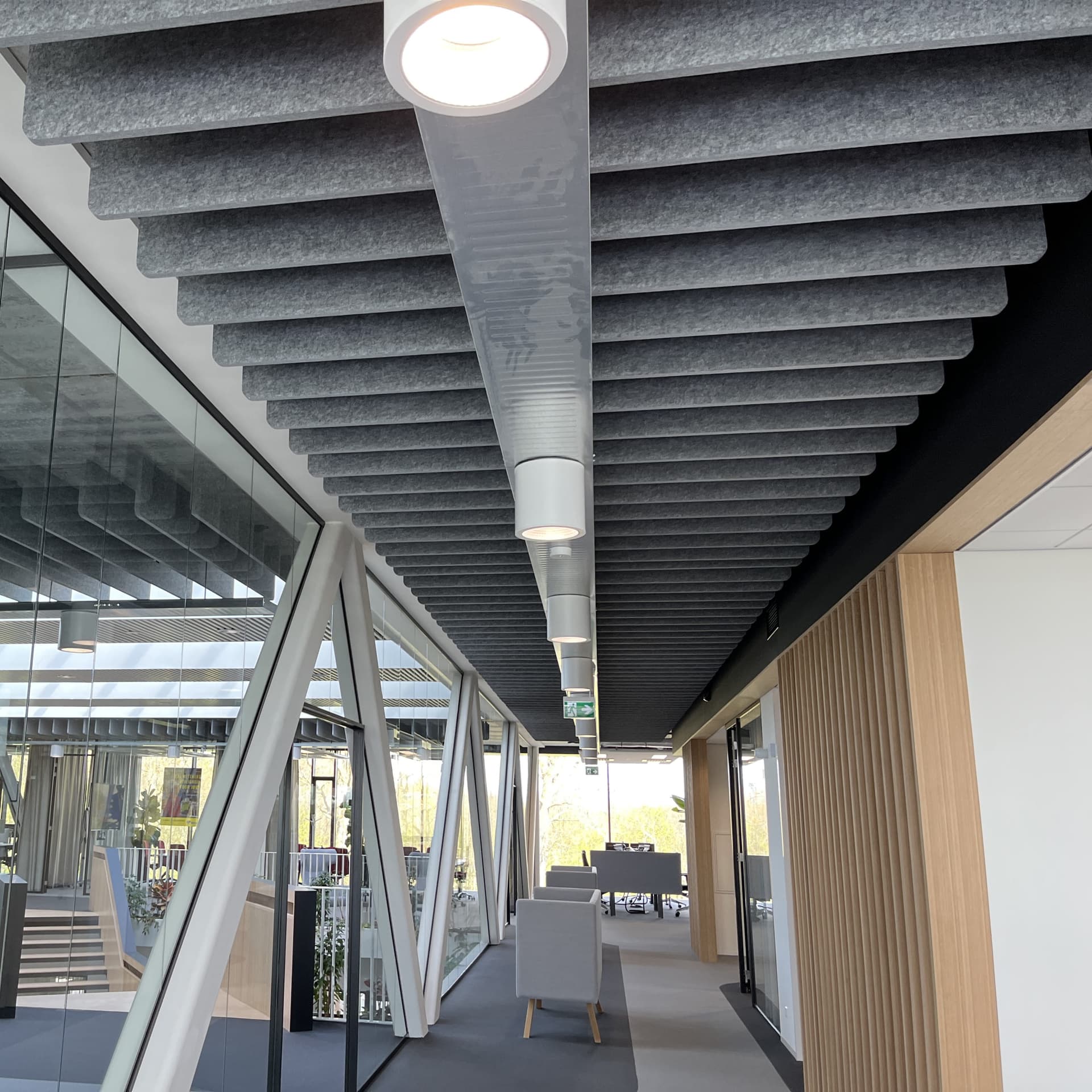
Modern interiors increasingly feature materials such as glass, concrete, steel and smooth wall finishes. These materials contribute to a high-end appearance, but also reflect sound. As a result, a space can look excellent while users experience the acoustics as unpleasant.
By taking acoustic solutions into account during the design stage, you can avoid the need for adjustments later on. Felt can be an effective and visually appealing solution here.

The most common misconceptions about acoustics
1. "Furniture will solve the problem
A sofa, rug or curtains can certainly help improve acoustics. However, in practice, this is often insufficient to tackle reverberation effectively.
When walls and ceilings remain large, hard surfaces, a significant amount of sound continues to reverberate. That is precisely why a felt panel is so often used in strategic locations.
2. “Acoustic solutions aren’t attractive”
Maybe that used to be the case. Nowadays, acoustics are an integral part of interior design.
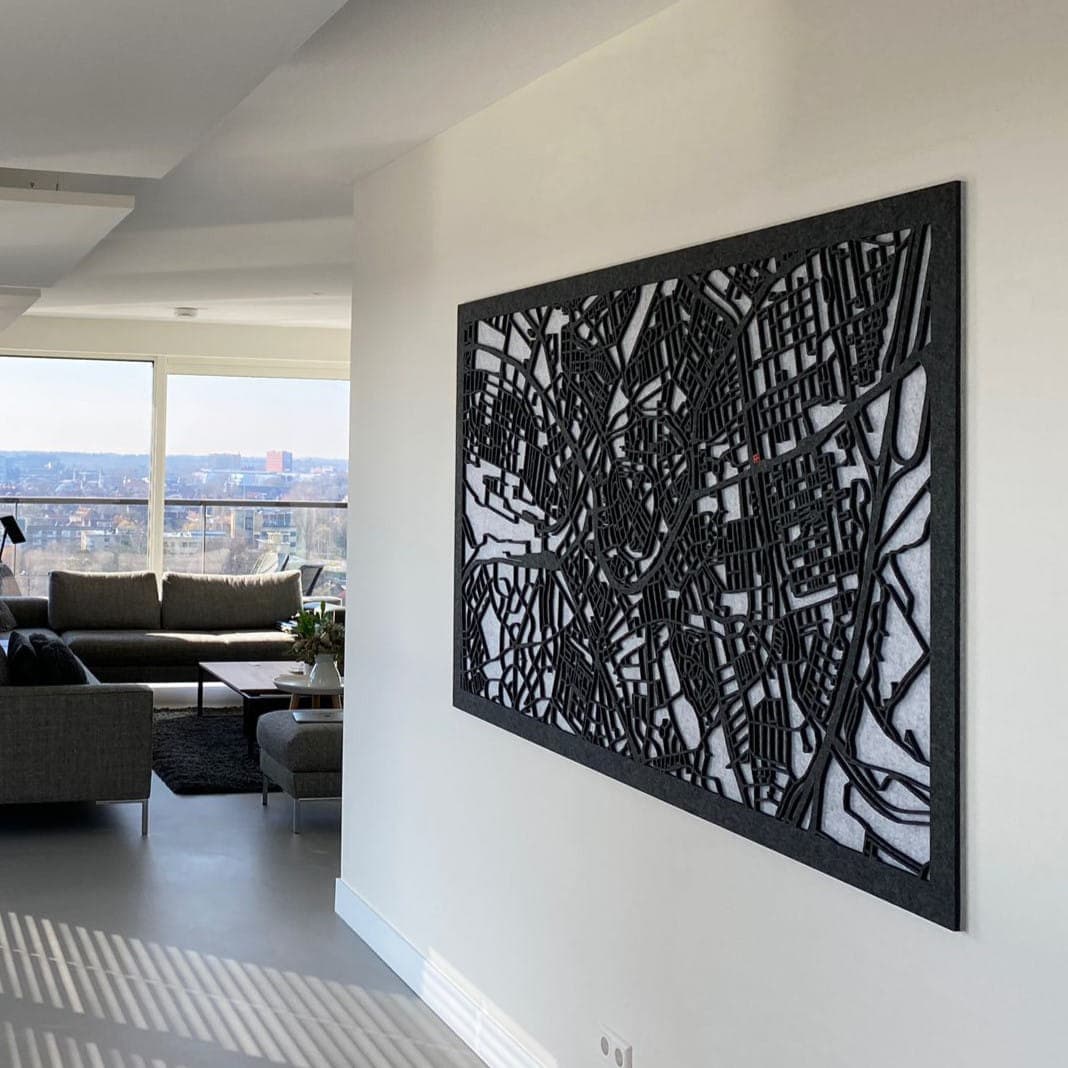
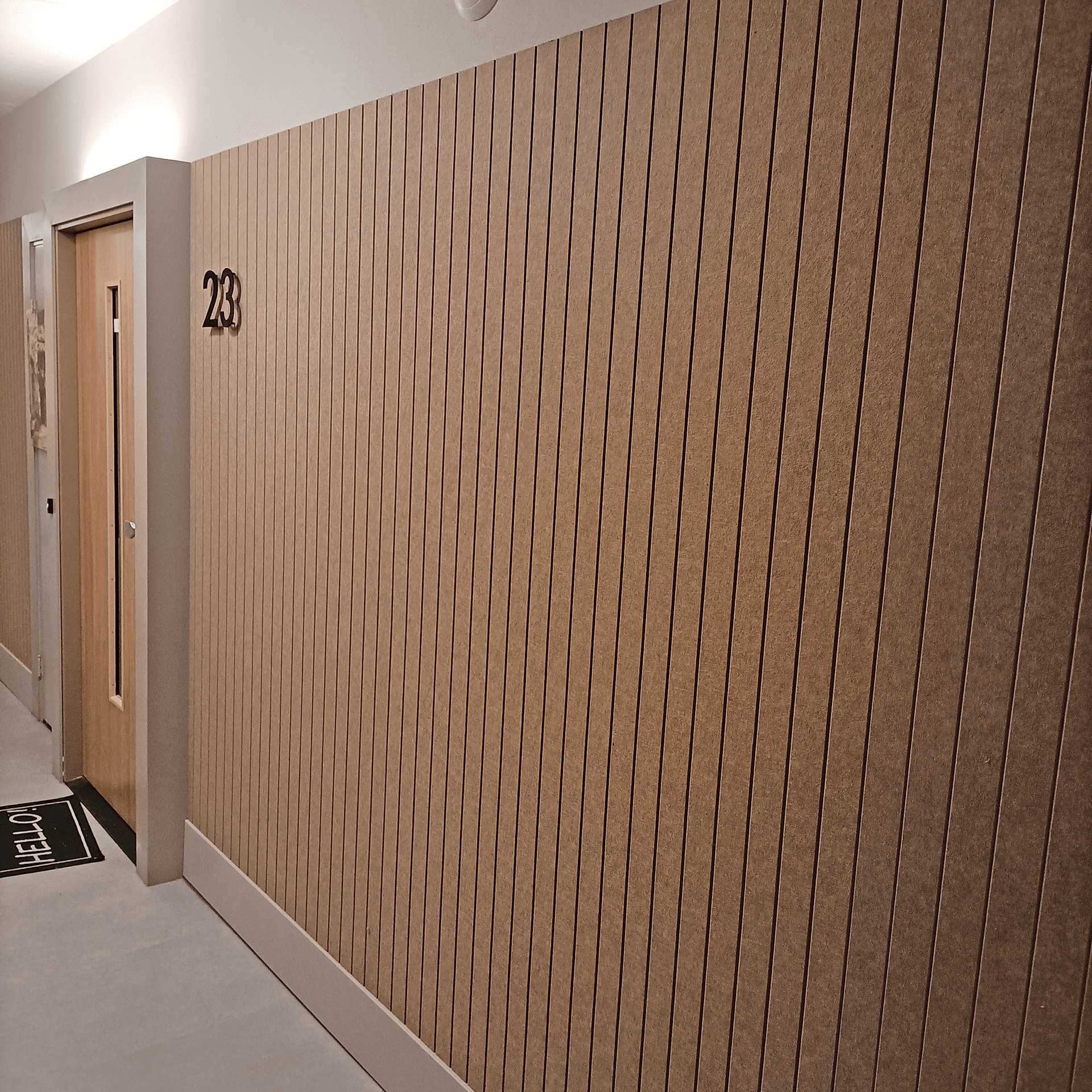
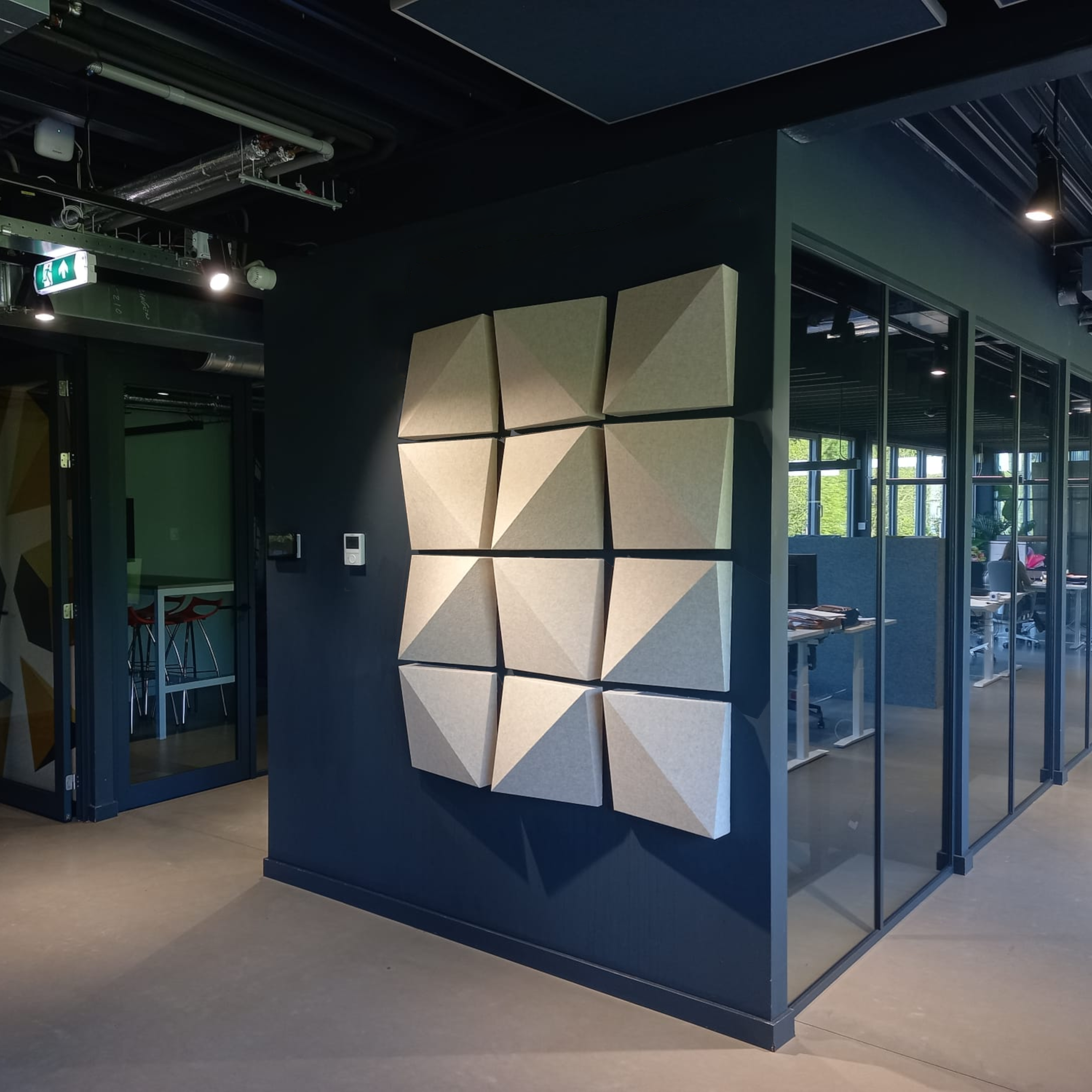
A modern felt wall panel combines style and functionality. You add texture, warmth and character to a room while also improving the acoustics.
As a result, acoustic wall decoration is increasingly being used in homes, offices, hospitality venues and educational environments.


Why PET felt works so effectively
PET felt has been specially developed to absorb sound. Instead of reflecting sound waves back into the room, they are partially absorbed by the material. This reduces reverberation and creates a quieter acoustic experience.
We work with PET felt solutions every day for a wide range of projects. From meeting rooms and educational environments to complete office fit-outs and hospitality projects. What stands out is that customers often notice an immediate difference as soon as the felt wall panels have been installed.
Conversations sound clearer, spaces feel calmer, and the overall experience improves straight away.


A felt wall as part of the interior
A major advantage of PET felt is its versatility. Whereas acoustic solutions used to be primarily functional, PET felt panels are now an important design element.
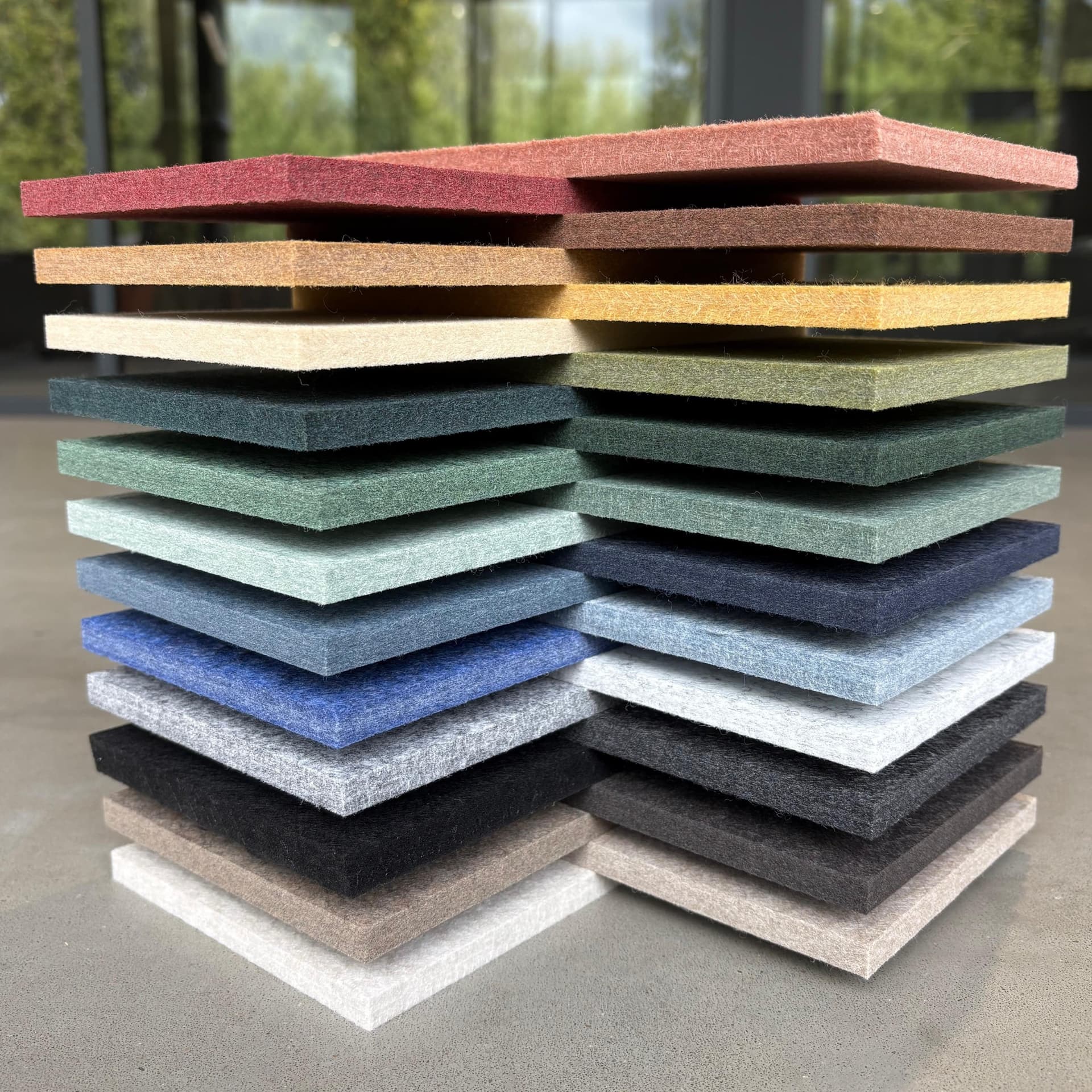
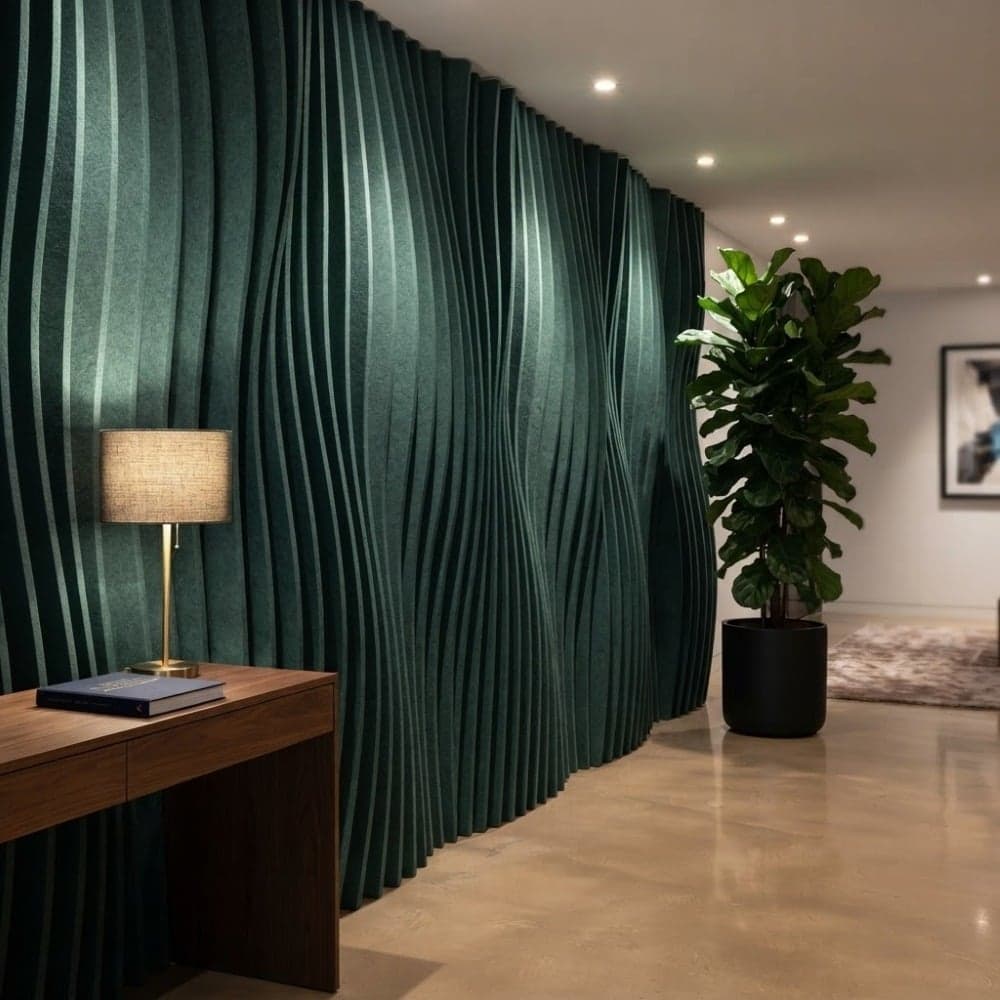
By combining different colours, patterns and finishes, you create a wall that perfectly complements the rest of the interior.
A felt wall panel can blend subtly into the design, but it can also create a striking accent. This results in a unique combination of aesthetics and comfort.

When are felt panels a smart choice?
Felt panels are particularly suitable for spaces where people talk, work or gather a lot, such as:
- Offices and meeting rooms
- Restaurants and cafés
- Schools and educational institutions
- Reception and waiting areas
- Hotels and lobbies
In all these environments, acoustic wall panels help make sound more pleasant without the need for extensive renovations.
Felt on the wall: a simple solution with a big impact
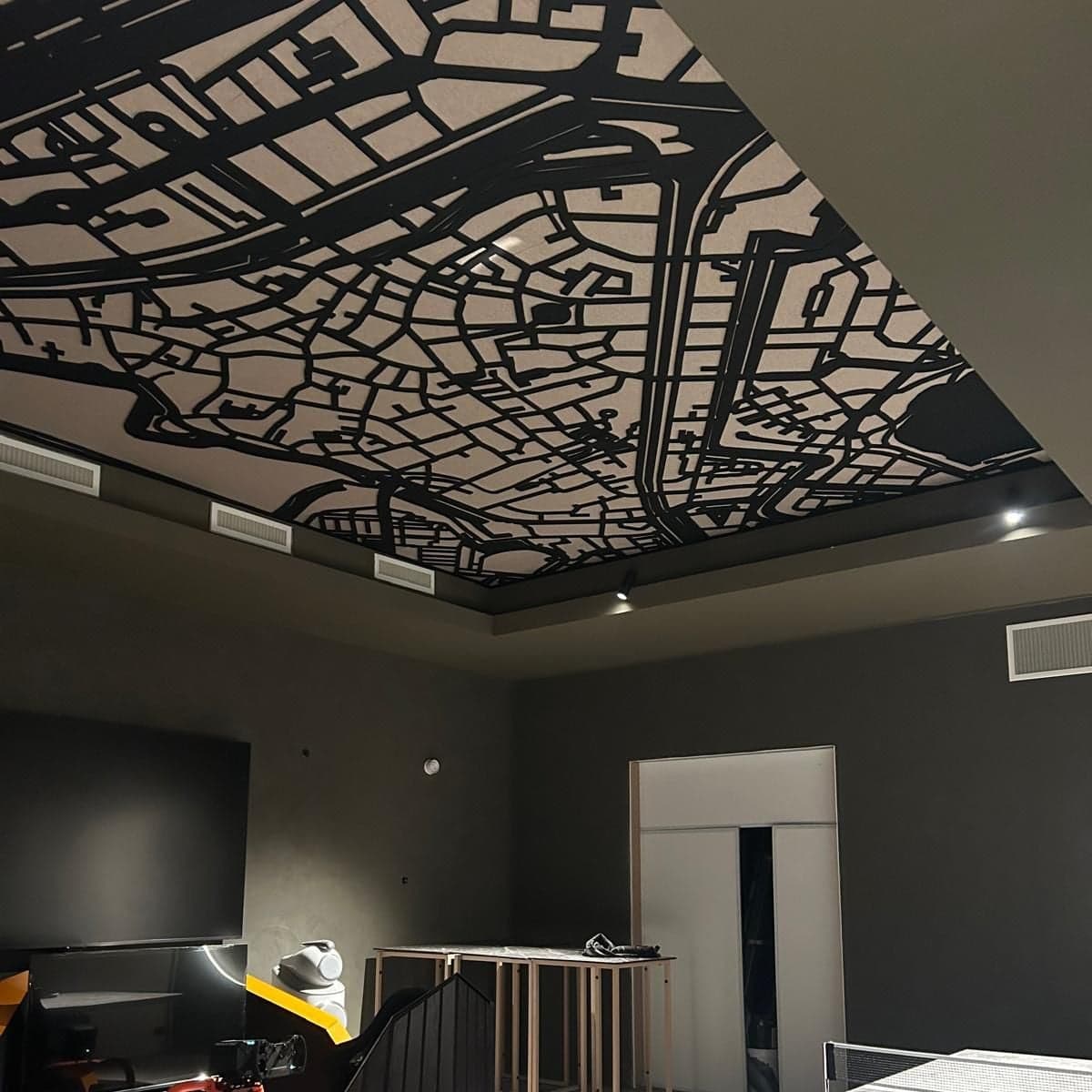
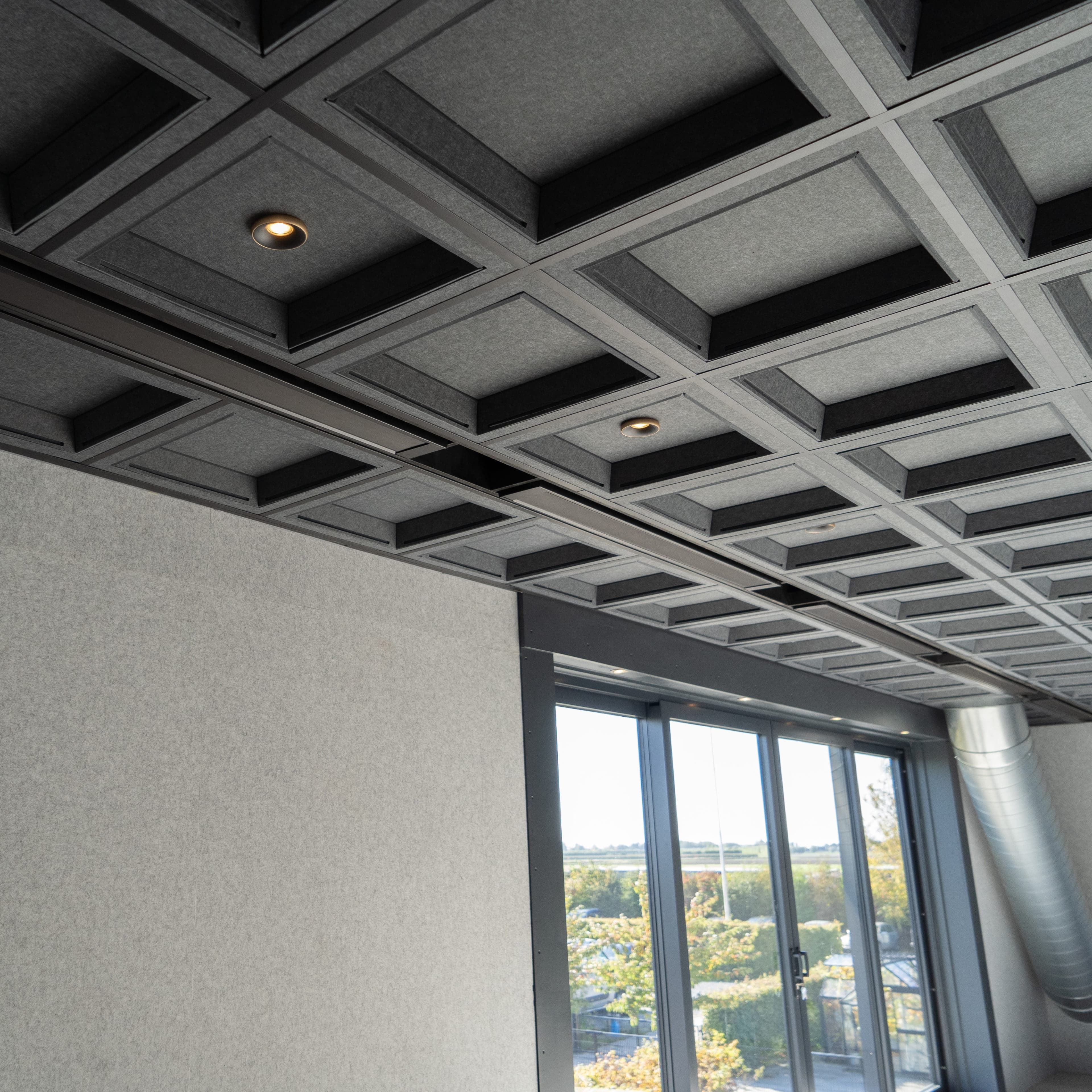
If you’re experiencing echoes in a room, you don’t need to make major structural alterations straight away. Often, you can achieve a noticeable difference with felt on the wall or ceiling alone.
By absorbing sound in the right places, the room becomes more peaceful. People can understand each other better, concentrate more easily and feel more comfortable in their surroundings.
That makes a felt panel not only an aesthetic choice, but also an investment in comfort and ease of use.
The balance between design and acoustics
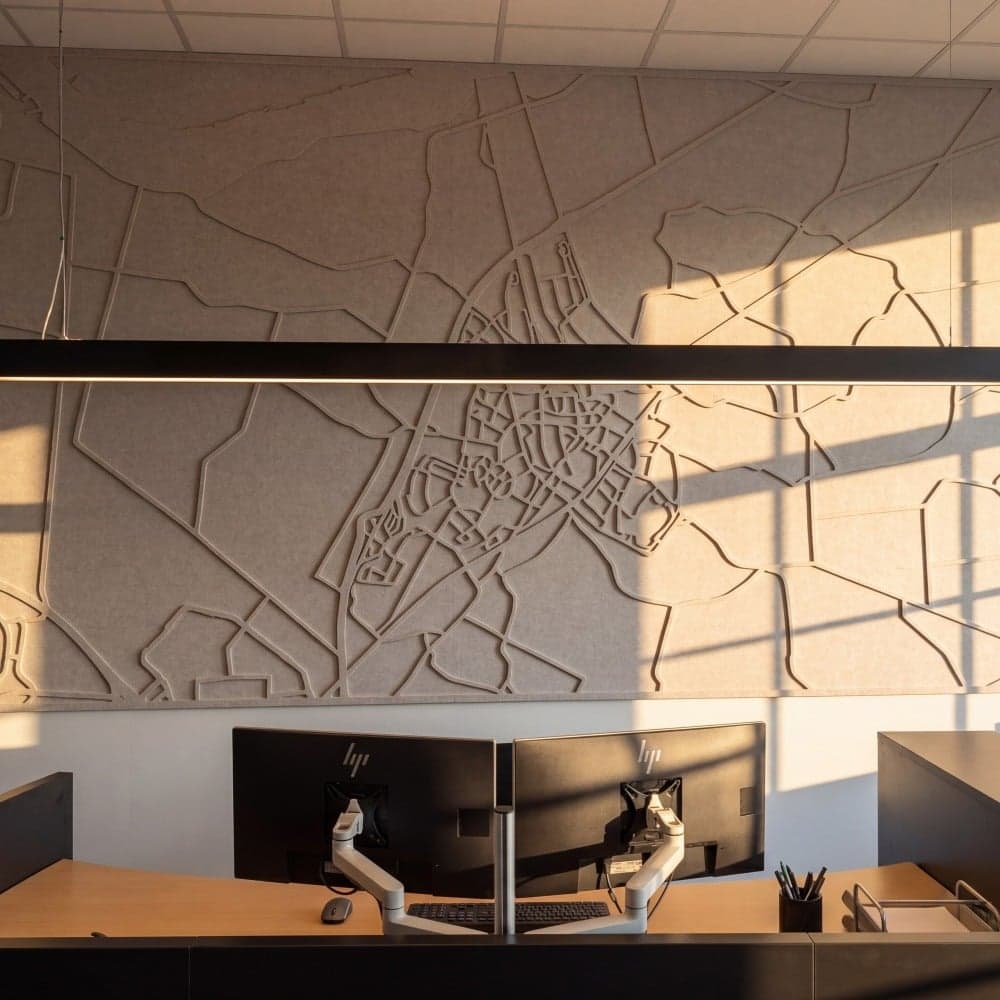
Good interior architecture is not only about what you see, but also about what you experience. A space that is visually striking and sounds pleasant feels complete.
That is precisely why more and more designers are choosing acoustic wall décor made from PET felt. With a stylish felt wall, you can easily create an environment that is both beautiful and comfortable.
Looking for an acoustic solution?
We are happy to help you find the right solution for your project. Whether you choose a single felt wall panel or bespoke felt panels, you will benefit from improved acoustics and an interior with more character. Please contact us for this!
Because a space shouldn’t just look good. It should sound good too.