










Incorporating acoustics into the design: practical guidelines
Open spaces and hard materials give a modern look, but often pose an acoustic challenge. With acoustic wall coverings made of felt, you effortlessly combine design and functionality. Read here how you can create optimal acoustics from the design phase with felt wall panels.
24 March 2026
1. Understand the acoustic requirements for each room
Acoustics are never one‑size‑fits‑all. Offices, hospitality, and educational spaces each require a different approach. With materials such as sound-absorbing wall coverings you can specifically target:
- Reduction of reverberation
- Improvement of speech intelligibility
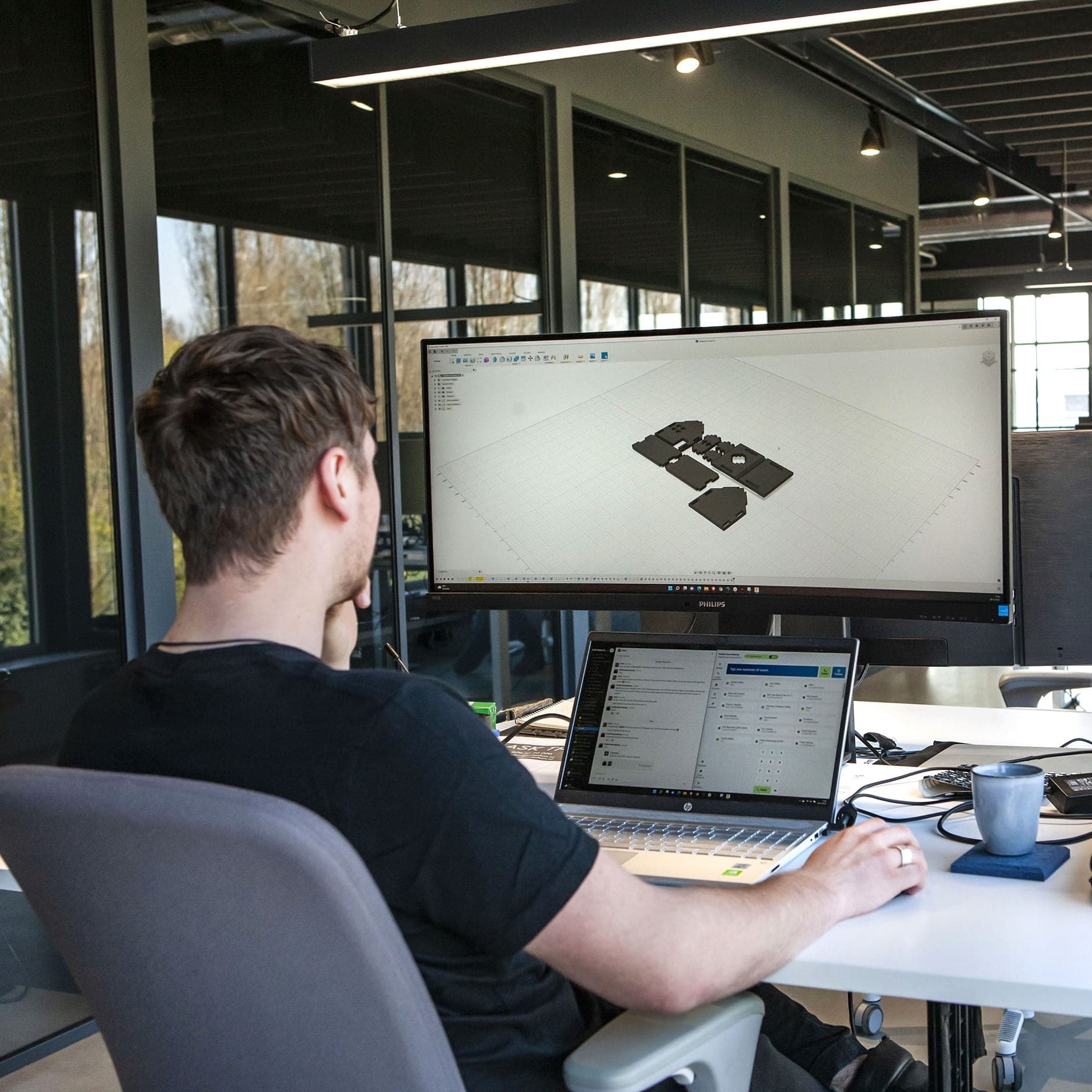
- More tranquility in open workspaces
- Controlled sound absorption without invasive structural modifications
Acoustic wall panels made of felt are a logical choice in many projects, as they can be easily applied in both small and large spaces.


2. Work with materials that offer design flexibility
Architects are increasingly choosing acoustic felt because it:
- Has a soft, natural appearance
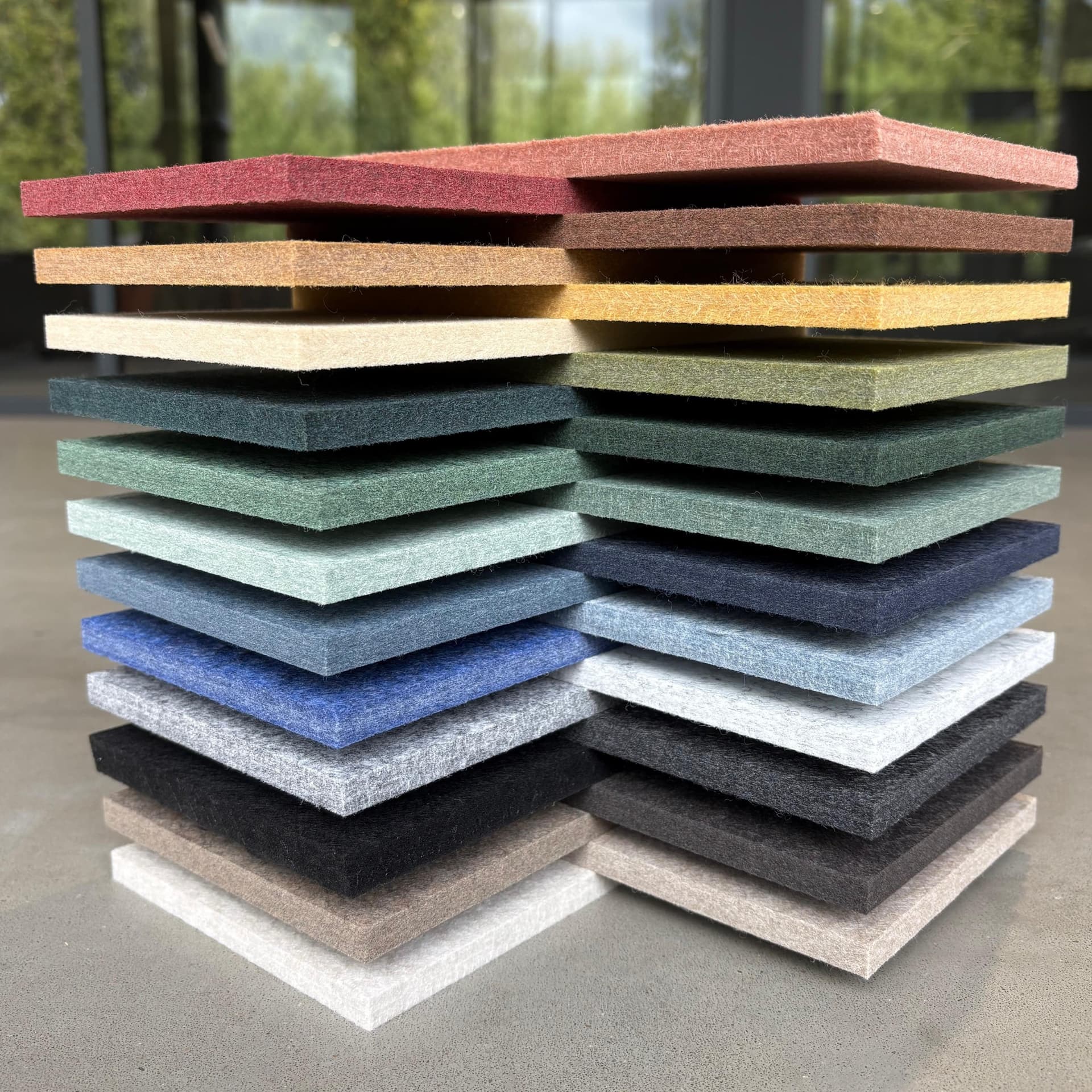
- Available in many colours
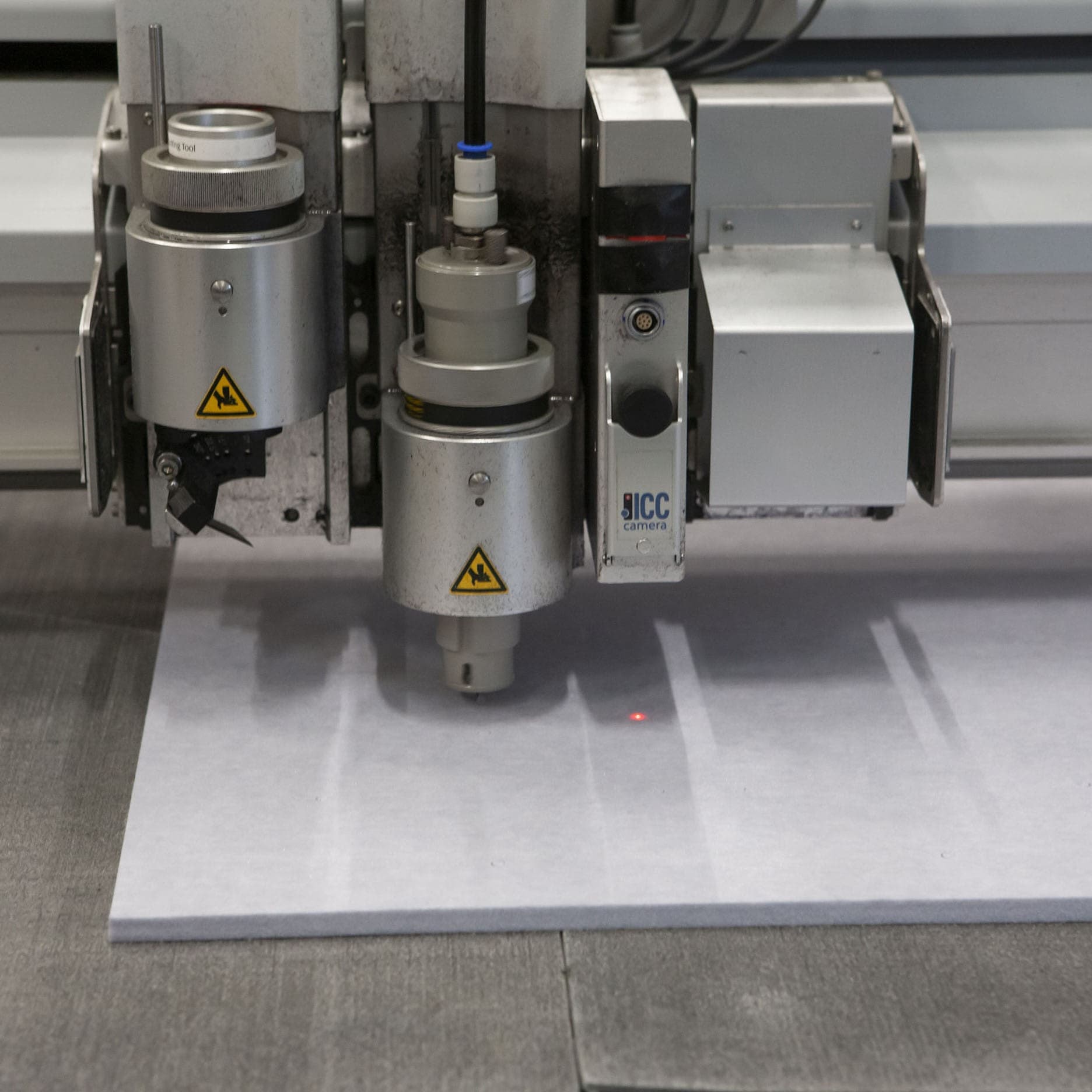
- Easy to cut or assemble modularly
- Is sound-absorbing
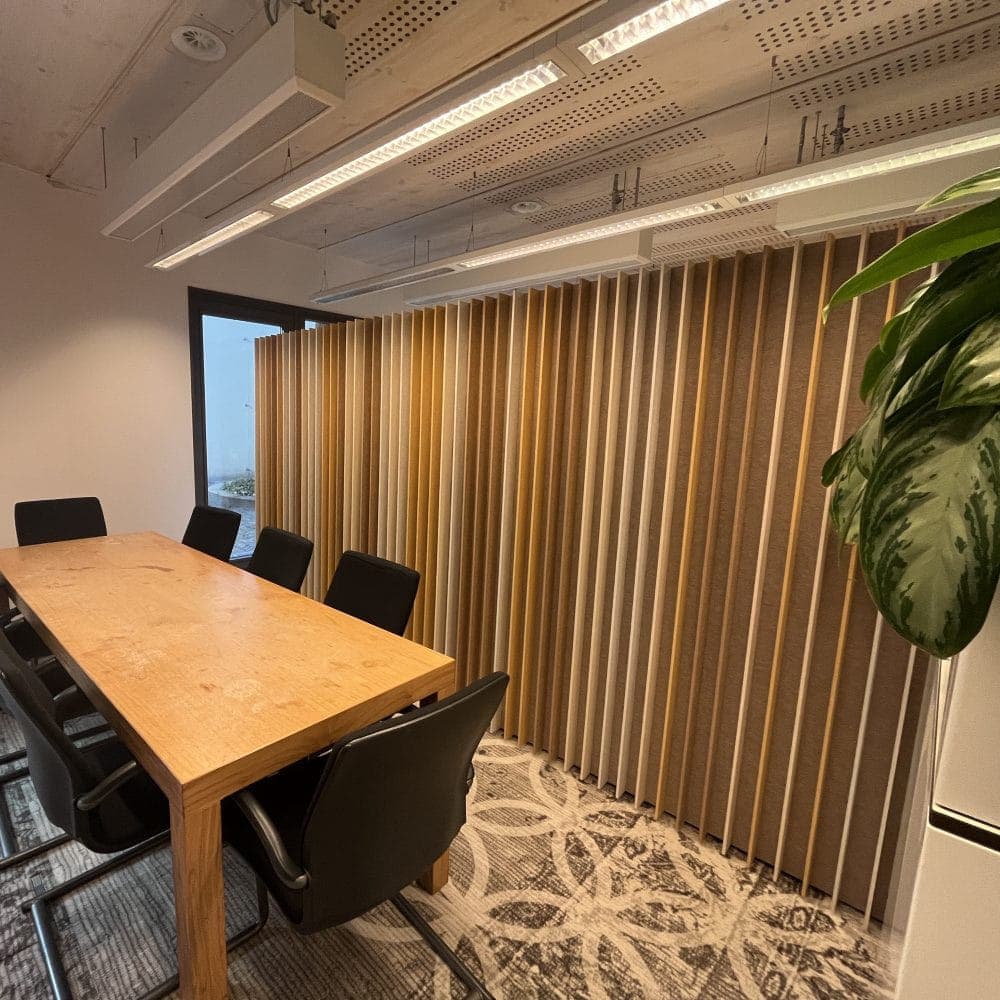
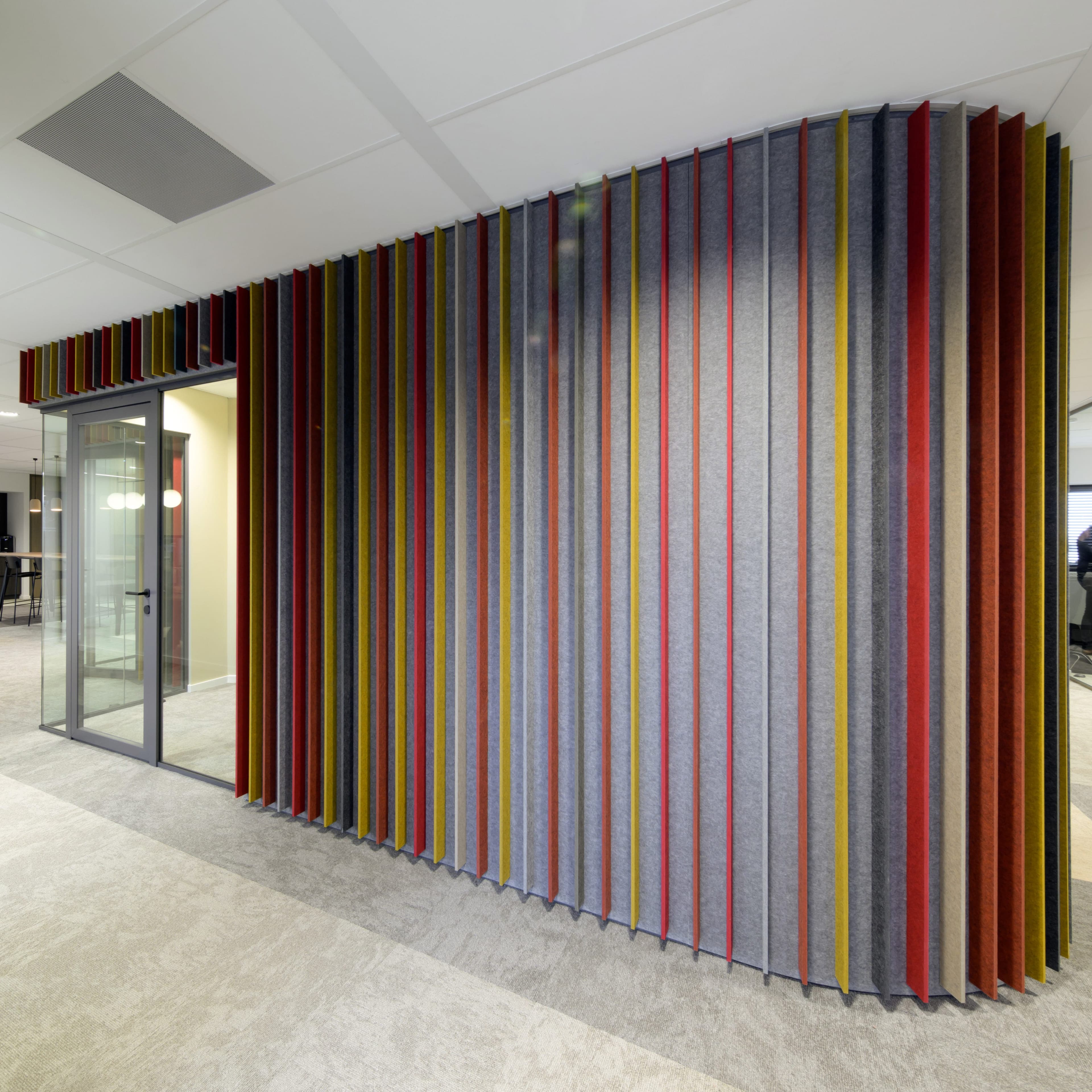
With felt panels you can create sleek rhythms, graphic patterns or organic shapes. The combination of shape, thickness and texture makes the material suitable for a wide range of concepts, from minimalist to bold.

3. Combine aesthetics with function
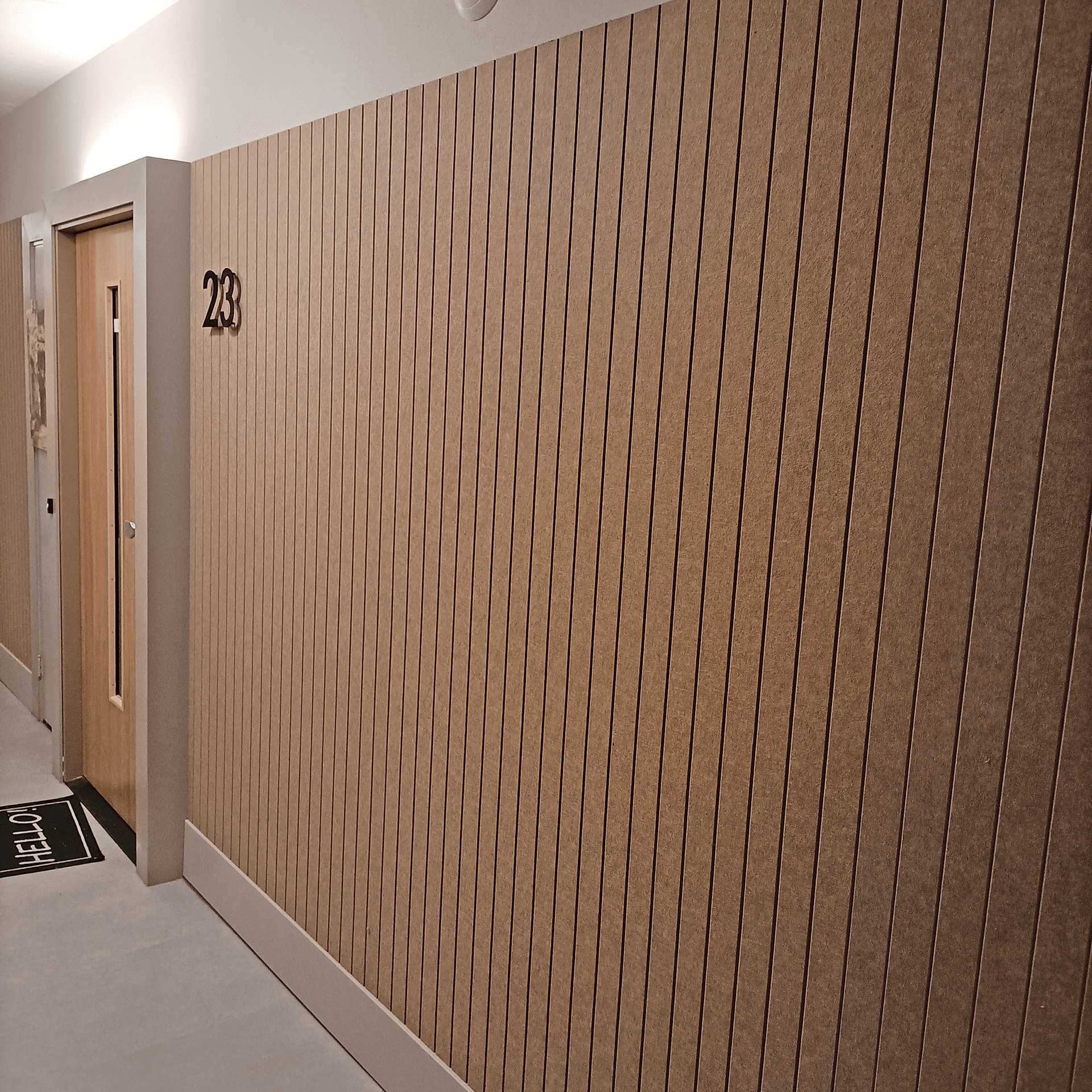
Acoustic solutions do not need to be hidden. In fact: felt wall panels can become a recognizable part of your design identity. With acoustic felt, you create architectural elements that enhance both functionality and design.
Consider:
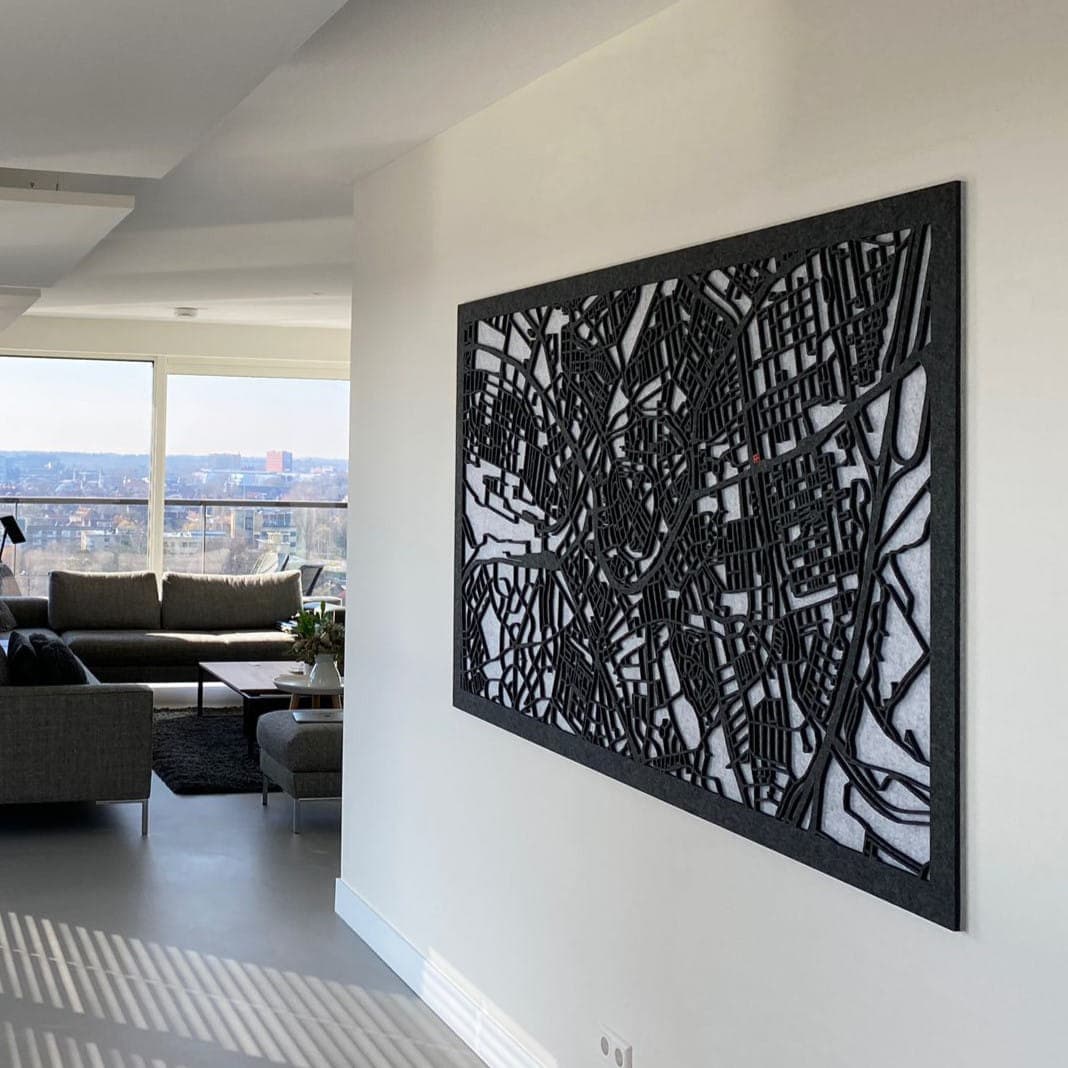
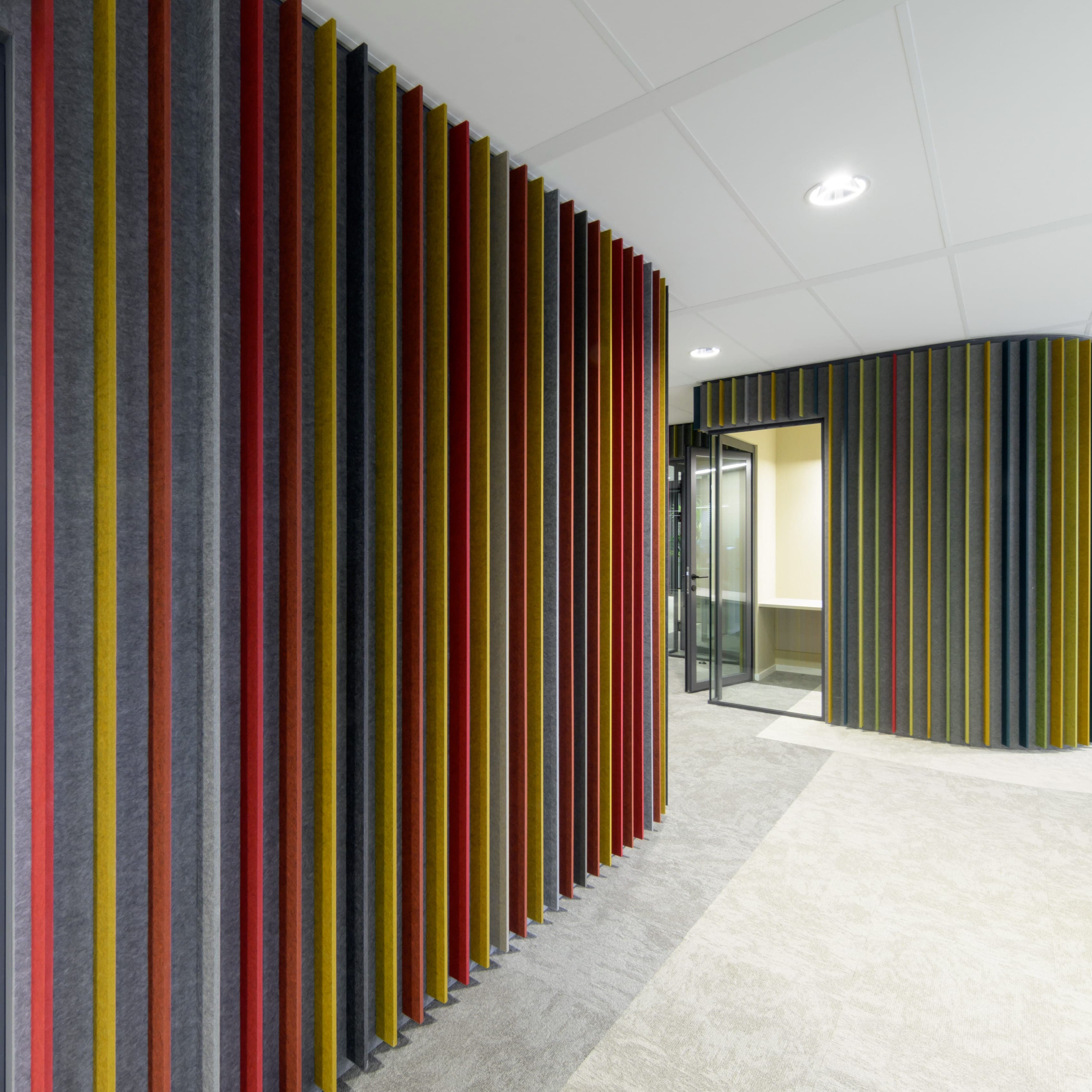
- Statement walls that immediately establish a visual identity
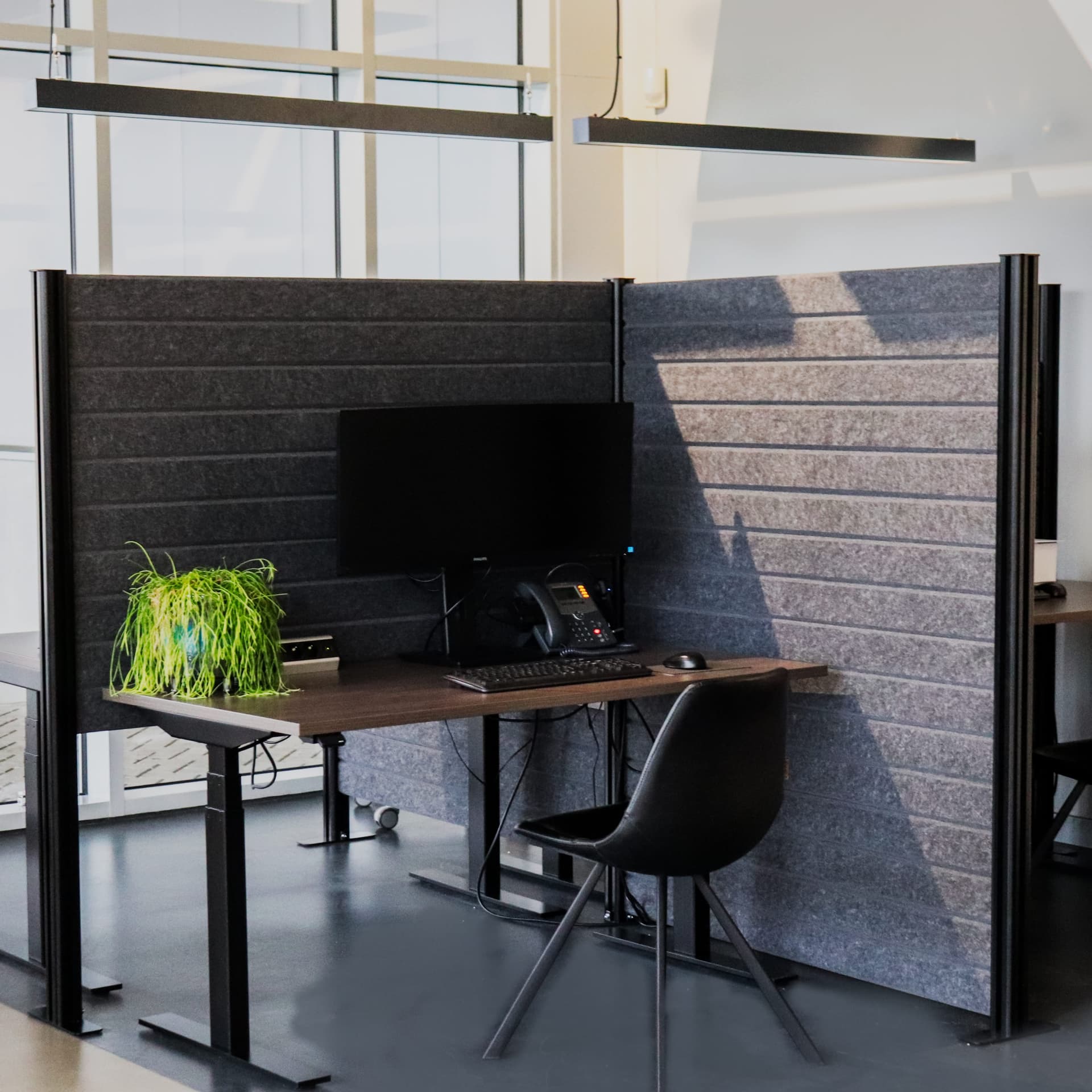
- Acoustic partition walls for zones and routing within open spaces
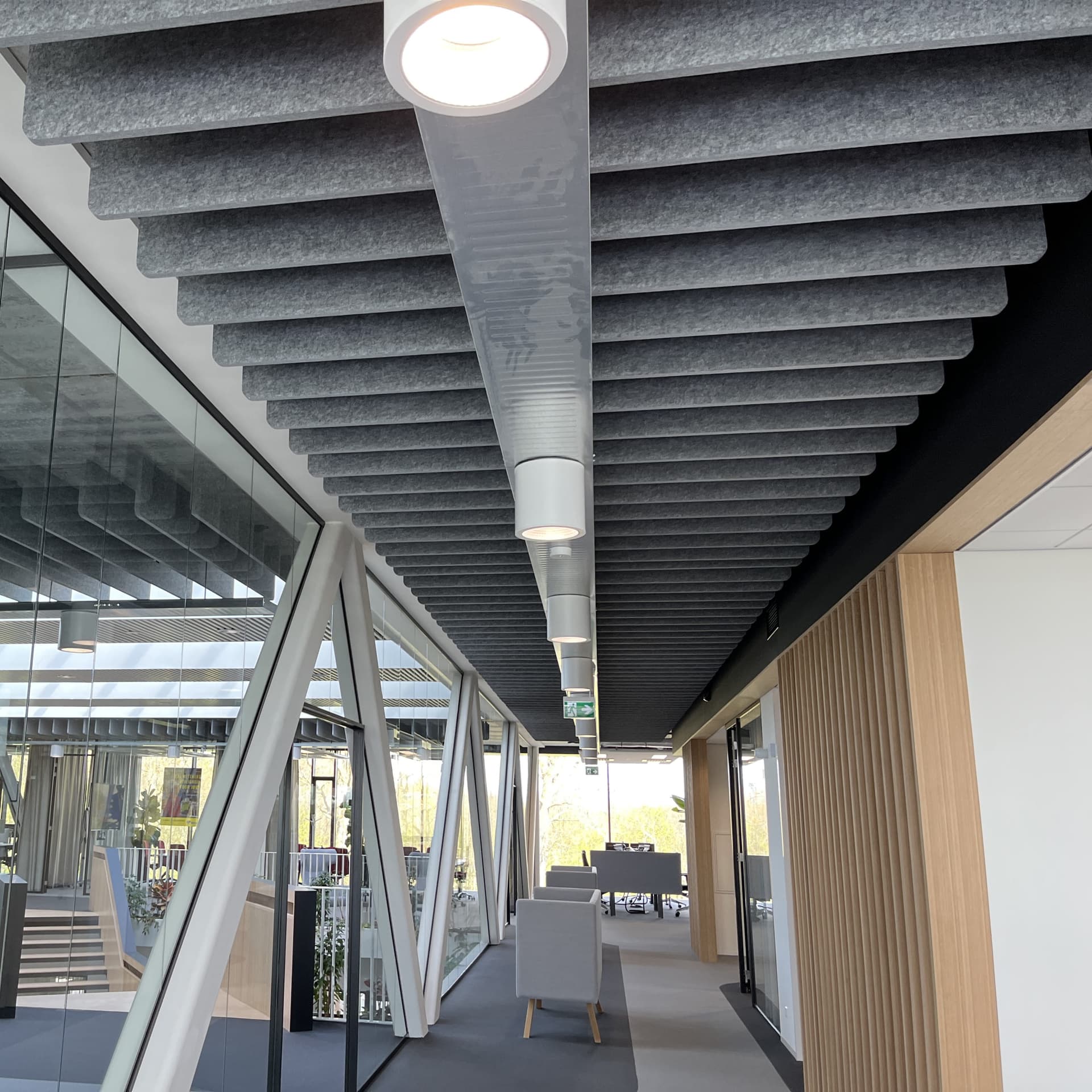
- Ceiling solutions that reduce echo and simultaneously reinforce a strong visual language
- 3D relief panels for dynamic depth effects
- Continuous, full walls that form a uniform and silent background
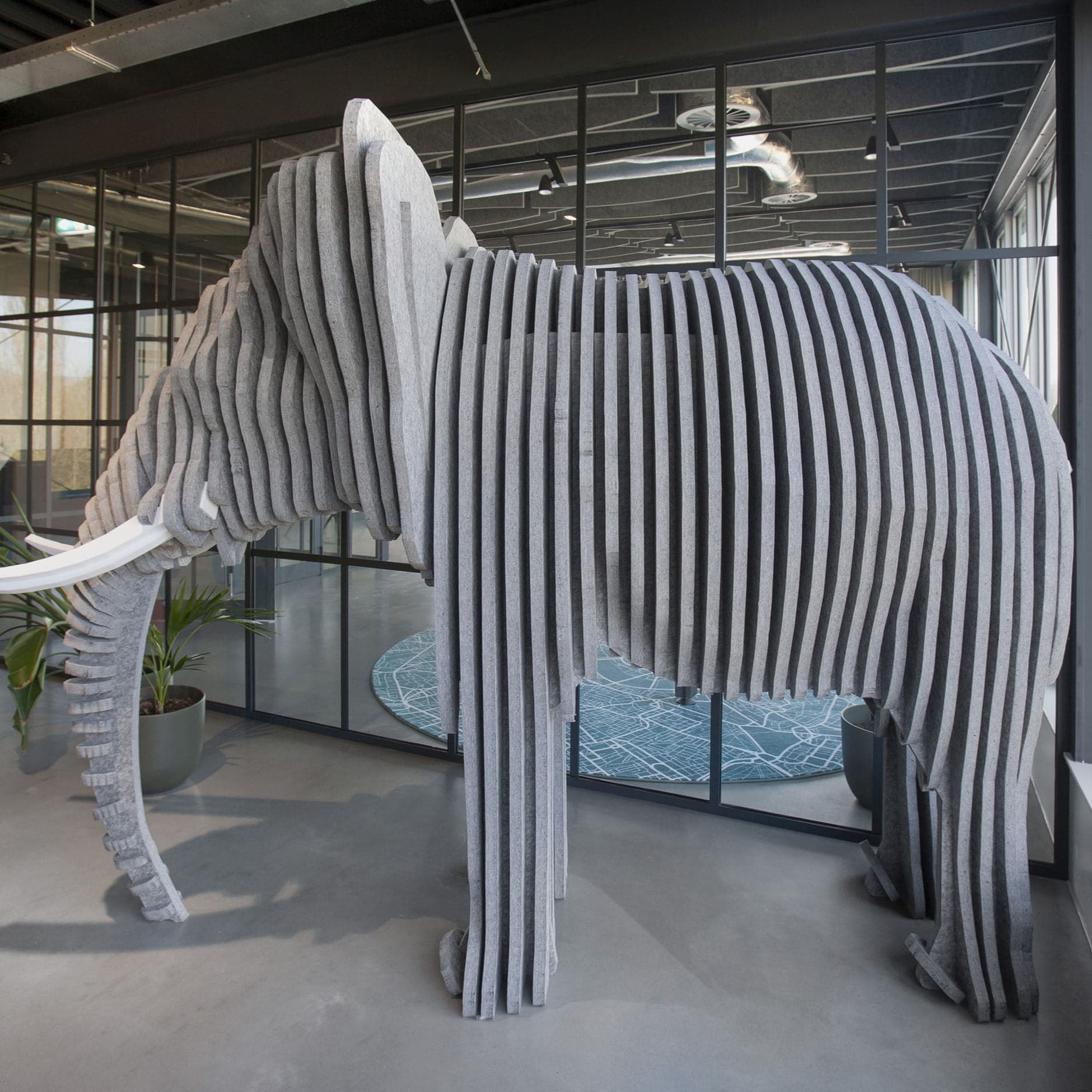
- Freestanding acoustic objects as sculptural elements in large spaces
Felt panels with relief create depth, shadow effects, and a high-quality experience, ideal for hospitality projects and high-end office environments.

4. Consideration of installation and execution
In many projects, time plays an important role. Do you want minimal assembly time and as little disruption as possible? Then we are happy to think along with you. We offer various clever hanging systems that enable you to install solutions quickly and easily, such as a self-adhesive backing or magnetic fixation. Do you need something completely different, or does a project require a specific approach? Then we are happy to develop new, even more efficient methods for smooth assembly.
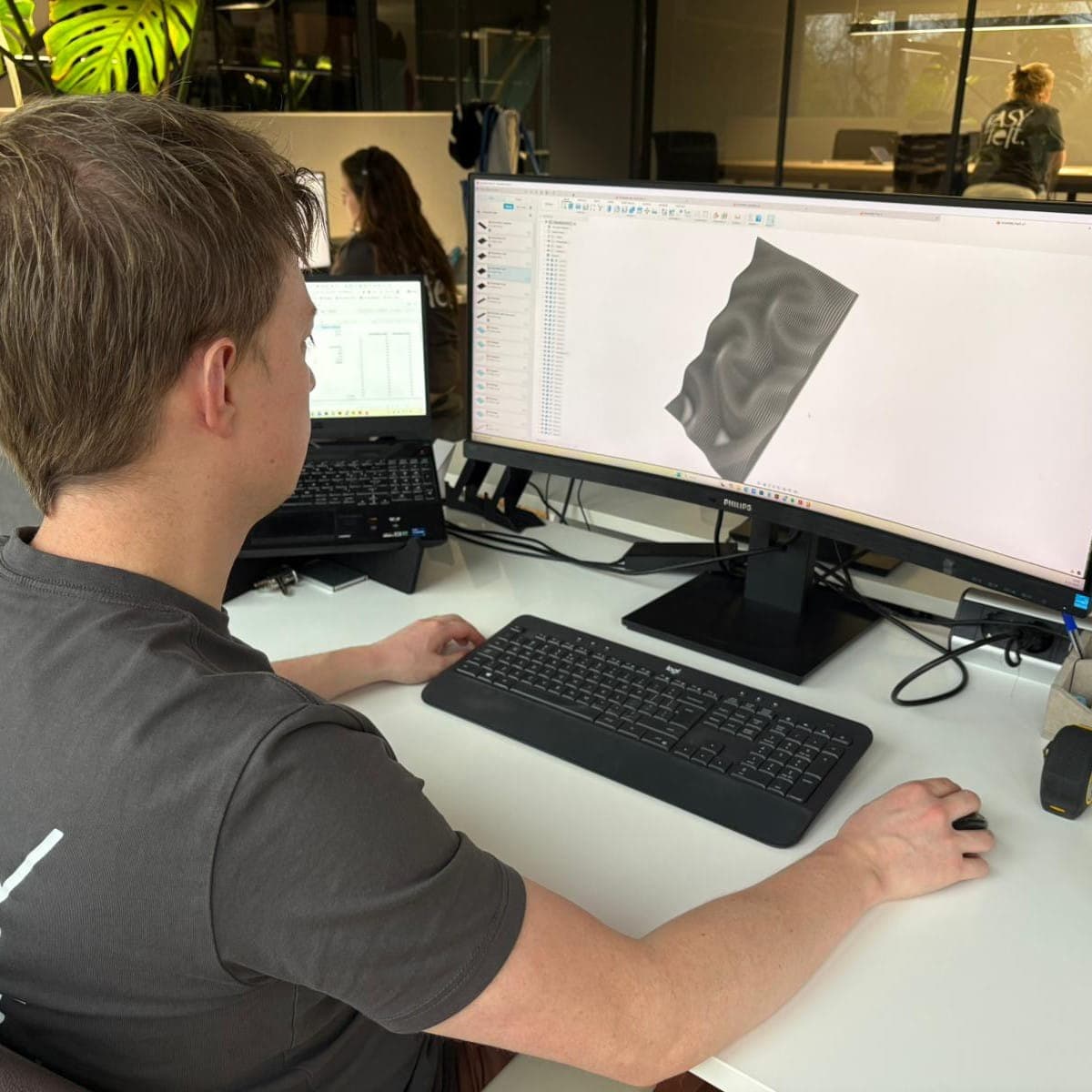
For large surfaces or custom concepts, felt wall panels are ideal due to their flexibility in dimensions, shape, and finish. This way, you can fully integrate acoustics into the design without restrictions.
Are you working in a monumental building where drilling, painting, or modifications to the existing structure are not permitted? We also offer solutions that are modular and fully reversible, so you respect the building and still add aesthetic and acoustic value. Feel free to contact us; we are happy to discuss suitable mounting options for any situation.


5. Incorporate acoustics in the design phase
By viewing acoustics during or after the performance, you often have to make compromises. Therefore, it is worthwhile to consider from the start:
- Reflective materials (glass, concrete, steel)
- Open spaces
- Ceiling heights
- Placement of work or seating areas
- Desired sound experience
By choosing acoustic panels made from felt early on, such as self-adhesive wall coverings or modular felt panels, you create calm, balance, and comfort without compromising your design.

6. Choose solutions that are scalable and future-proof
Projects change. Therefore, it is wise to use materials that are easily expandable or adaptable. Acoustic panels made from felt and other felt solutions are:
- Modular
- Lightweight
- Easy to replace or move
- Suitable for both renovation and new construction
This makes them ideal for flexible office concepts, transformation projects, and sustainable interiors.


A better acoustic starts with material selection
Acoustics are becoming increasingly important in architecture. Not only for comfort, but also for productivity, (guest) experience, and well-being. Using materials such as acoustic felt, you can create spaces that exude calm, warmth, and quality — just what clients are looking for.
Would you like to brainstorm about the right solutions for your project? Please contact us, we’d be happy to assist!