







From moodboard to material selection: PET felt as an element in your concept
A strong interior concept often begins with images, colours and materials that evoke a feeling together. From Pinterest boards to physical moodboards: inspiration only truly takes shape when material choices become part of the design. PET felt is increasingly taking on a prominent role here, thanks to its combination of colour, texture and freedom of form.
Yentl
20 October 2026
When inspiration and materiality come together
In the first phase of a design, it is all about atmosphere. Colours, reference images, furniture and materials together form the basis for a concept narrative. It is precisely at this stage that materials are increasingly being considered that are not only functional, but also offer clear aesthetic value.
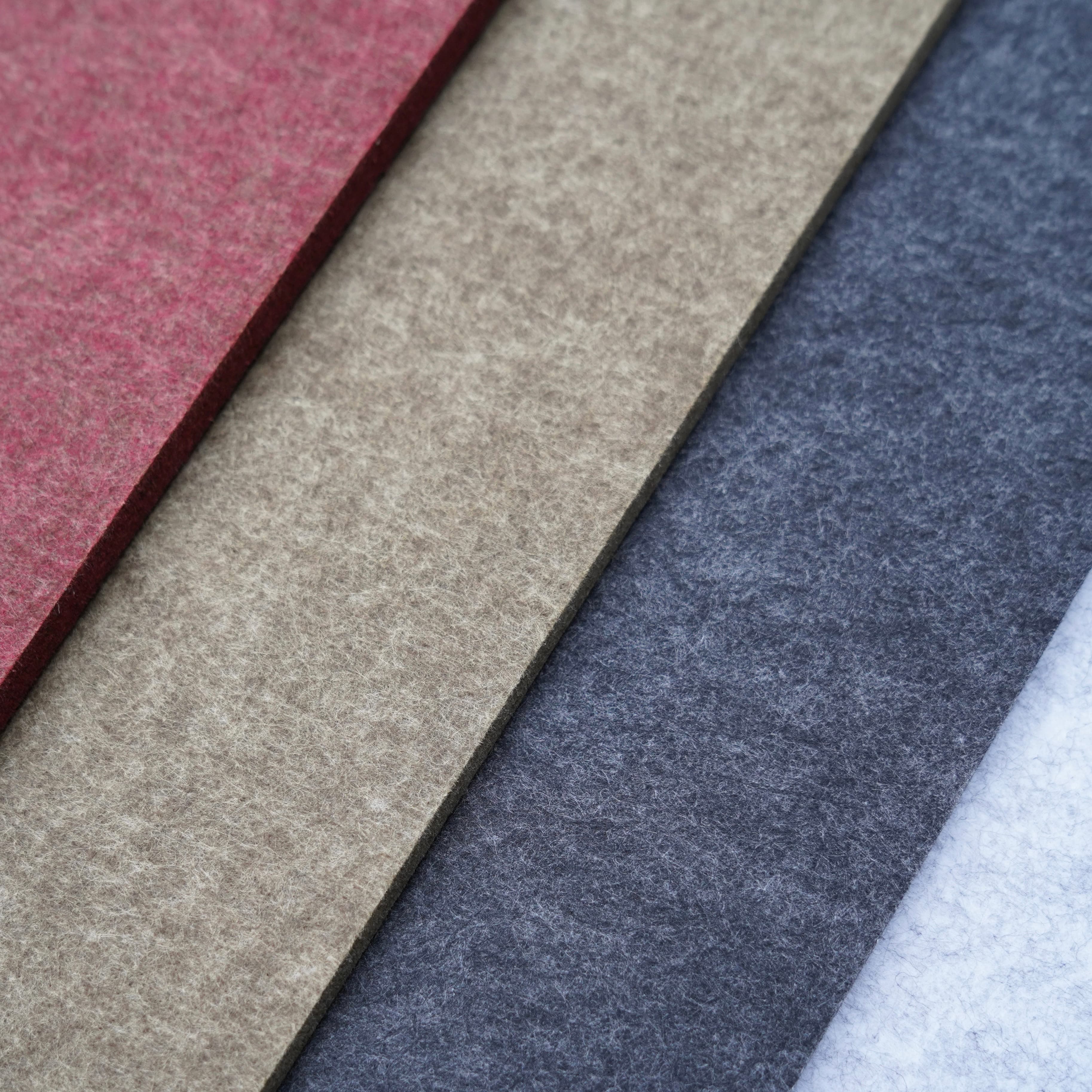
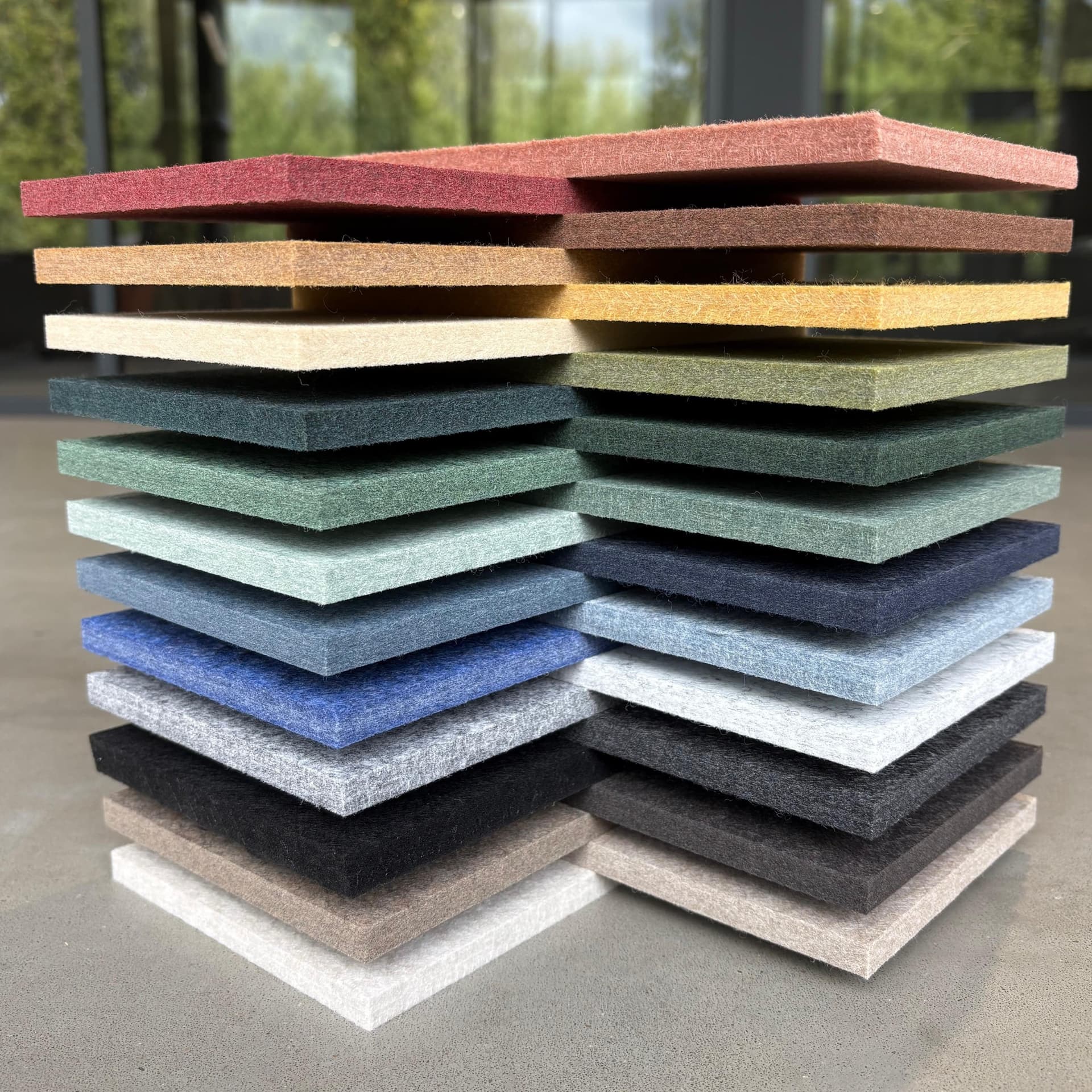
PET felt fits well with this development. The material brings texture, depth and a contemporary look to a design, meaning it becomes part of moodboards and material palettes at an early stage. From subtle accents to striking statements: felt panels give designers plenty of freedom to make ideas tangible.
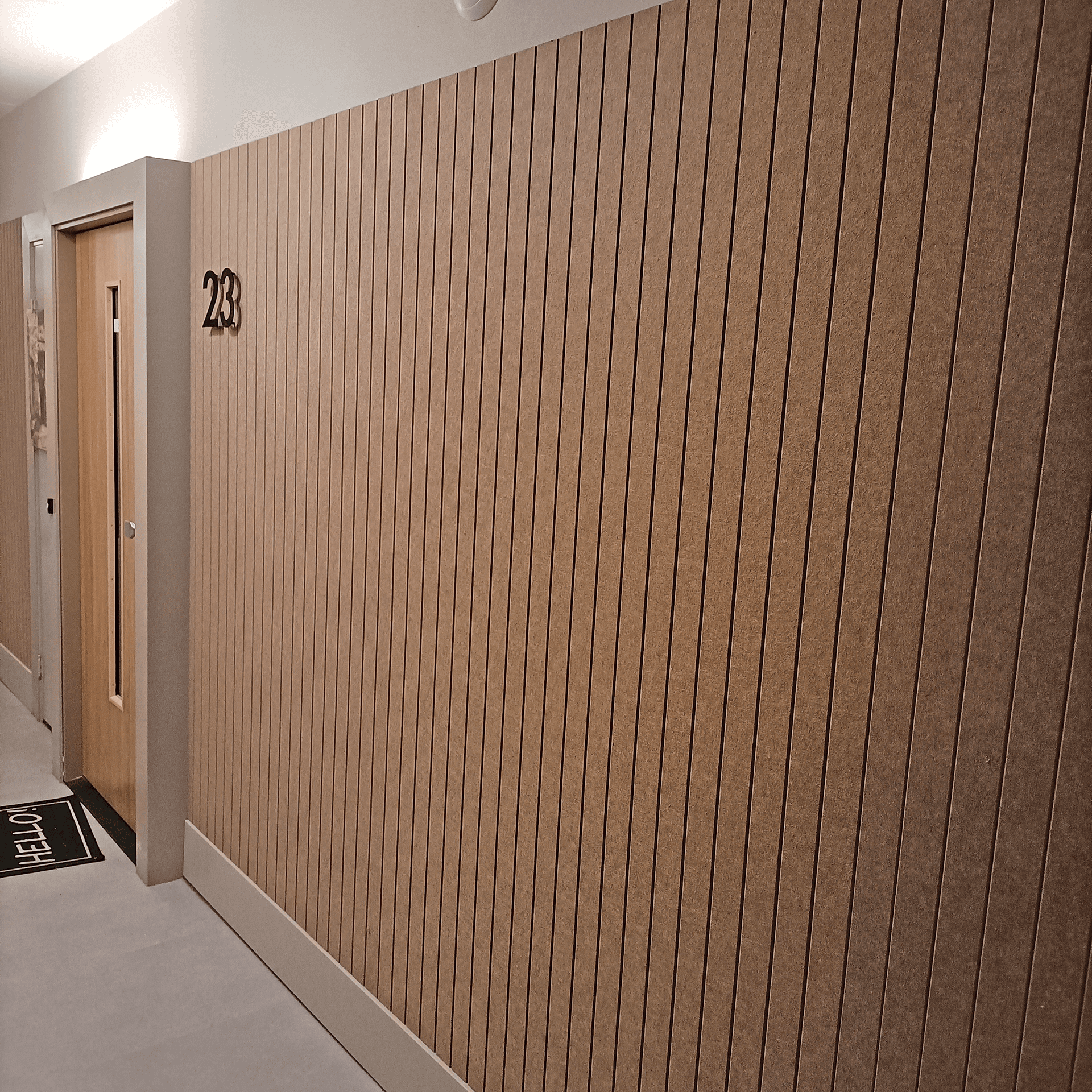
Where paint or wallpaper often create a flat appearance, felt wall panels immediately add layering and character. The material helps translate an atmosphere into a more concrete design concept, bringing colour, form and materiality together.

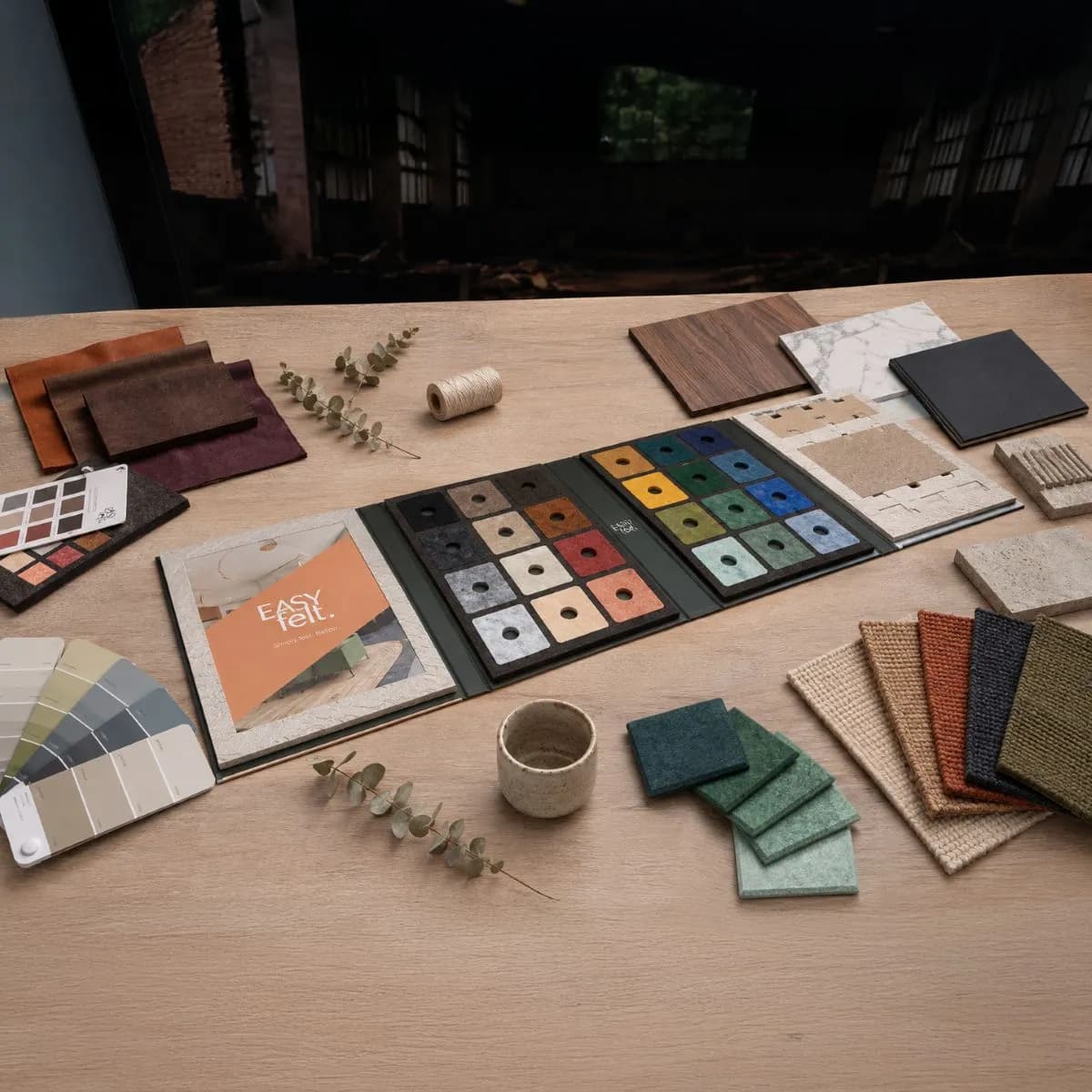
From inspiration image to material selection
Every interior concept starts with an idea. Perhaps it emerges from a Pinterest board, a material sample or an inspiring reference project. At this stage, atmosphere, colour, form and materiality come together to create an initial design narrative.
This is precisely when material selection plays an important role. PET felt is increasingly being incorporated into moodboards and material palettes at an early stage, as it gives designers the opportunity to make colour, texture and form an integral part of the concept from the outset. Whereas paint or wallpaper often creates a flat appearance, felt wall panels add depth, layering and a distinct material experience. From subtle accents to bold statements: felt panels give designers plenty of freedom to turn ideas into something tangible.
Thanks to the wide choice of colours, shapes and finishes, PET felt complements a range of design styles:
Scandinavian and minimalist interiors
Biophilic design
Hospitality concepts
Modern office environments
Retail and experience spaces
As a result, the material often serves as the connecting factor between inspiration, materialisation and the final design.


Pinterest as a source for new material trends
For many architects and interior designers, Pinterest is where concepts begin. This is where colour palettes, material combinations and international interior trends come together. It is striking that spaces with more layering and tactile materials are becoming increasingly popular.
Within this trend, you are increasingly seeing applications of felt on the wall. Not only in office interiors, but also in hospitality, retail, education and public spaces. Materials with a distinct texture add character to a space and create a richer material experience.
On the EASYfelt Pinterest channel, you can also see how felt panels are used across a wide range of design styles. From calm tone-on-tone interiors to bold concepts in which colour, form and materiality take centre stage.

PET felt as a visual connection within the concept
A strong interior concept feels cohesive. Materials, colours and forms enhance one another and contribute to a single design vision.
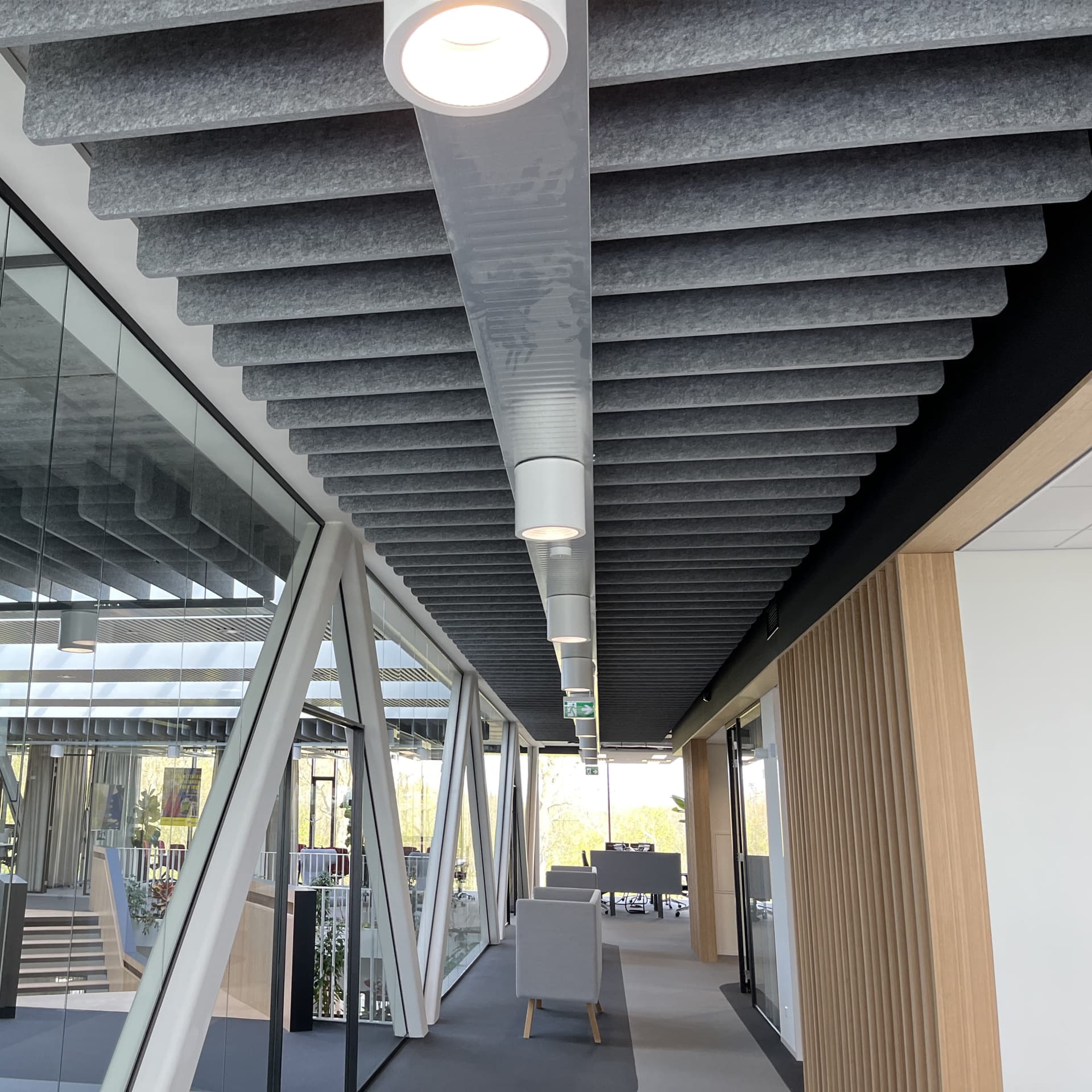
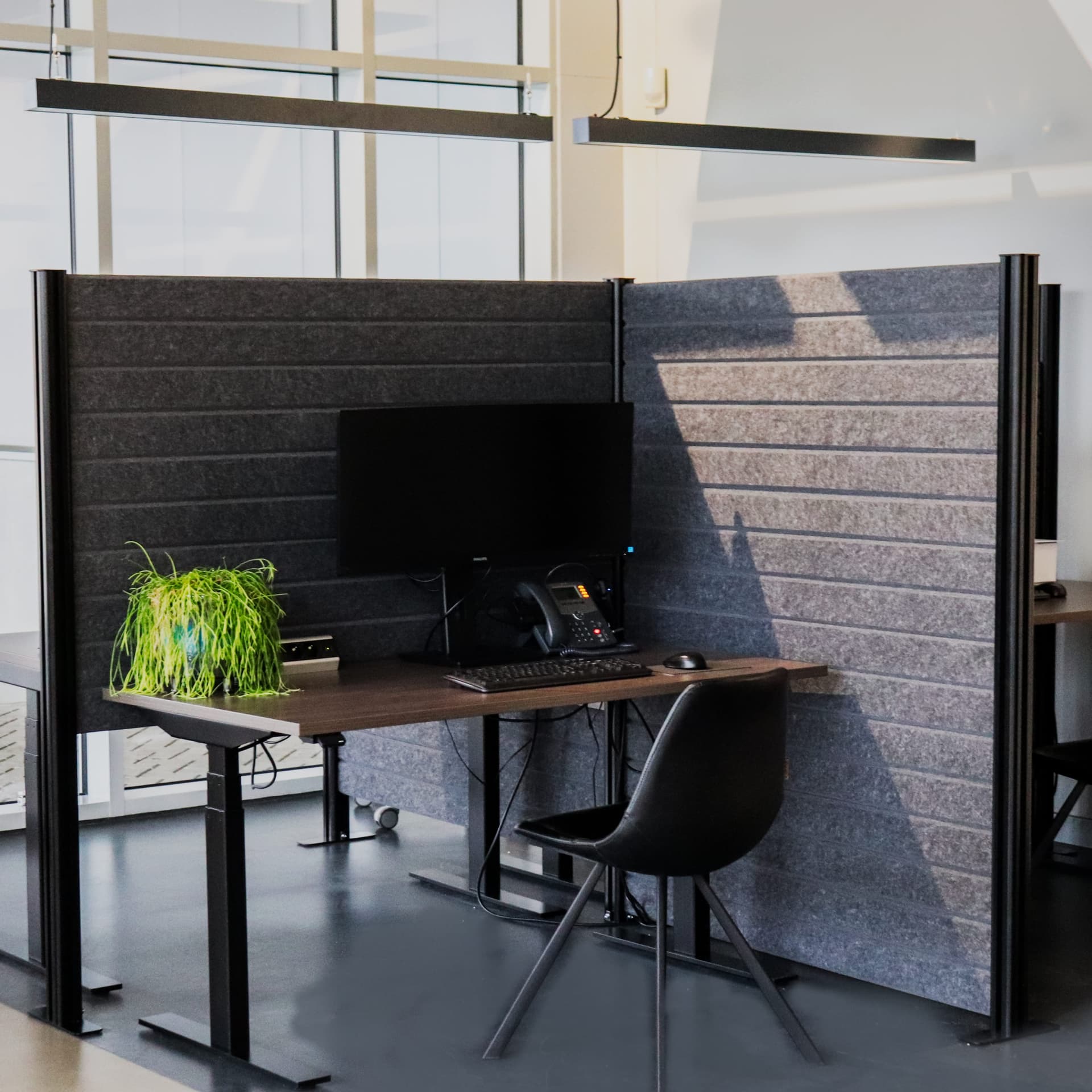
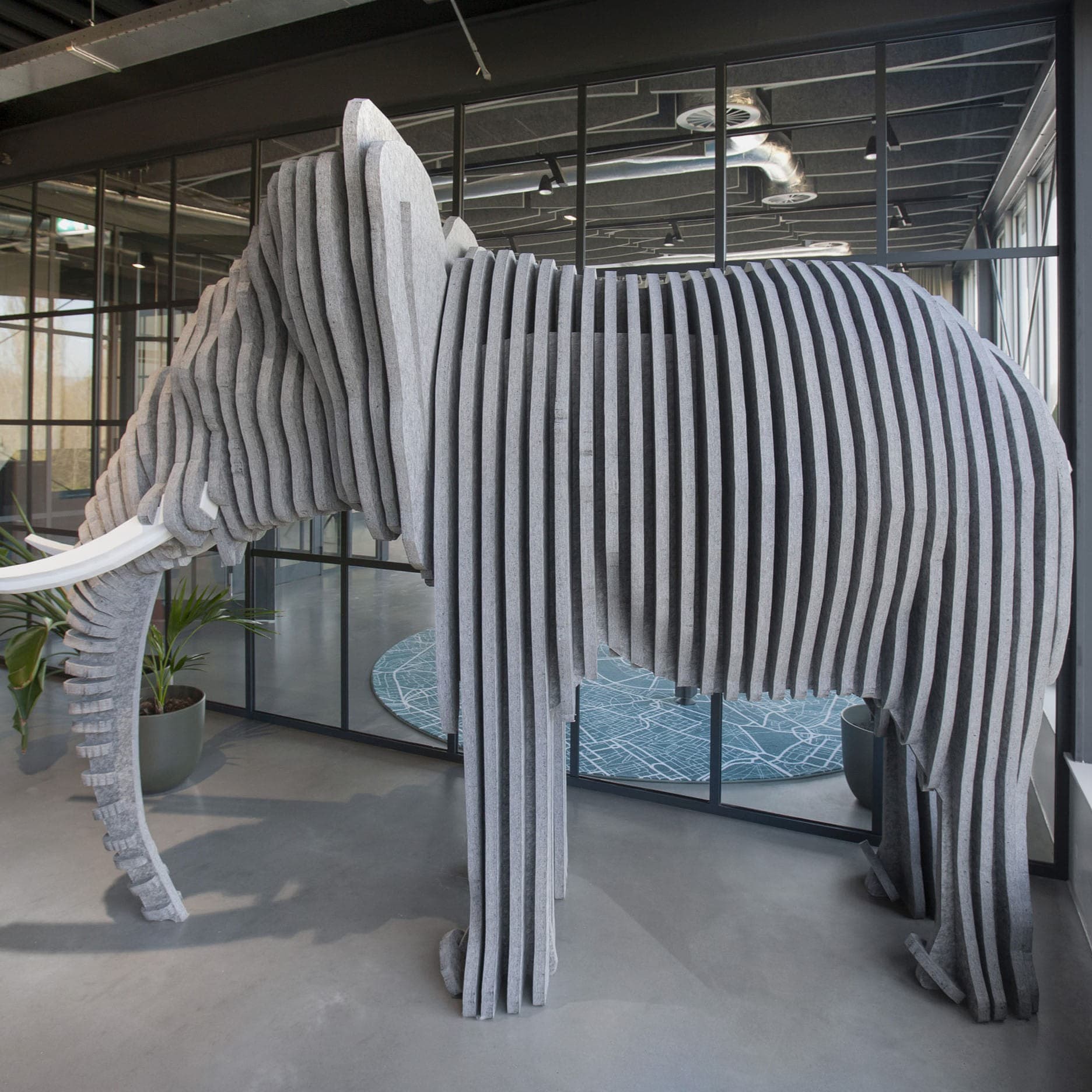
That is why felt wall cladding is increasingly being used as a unifying element within a space. The material can be incorporated into wall finishes, room dividers, bespoke objects or ceiling applications, visually connecting different elements of the interior.
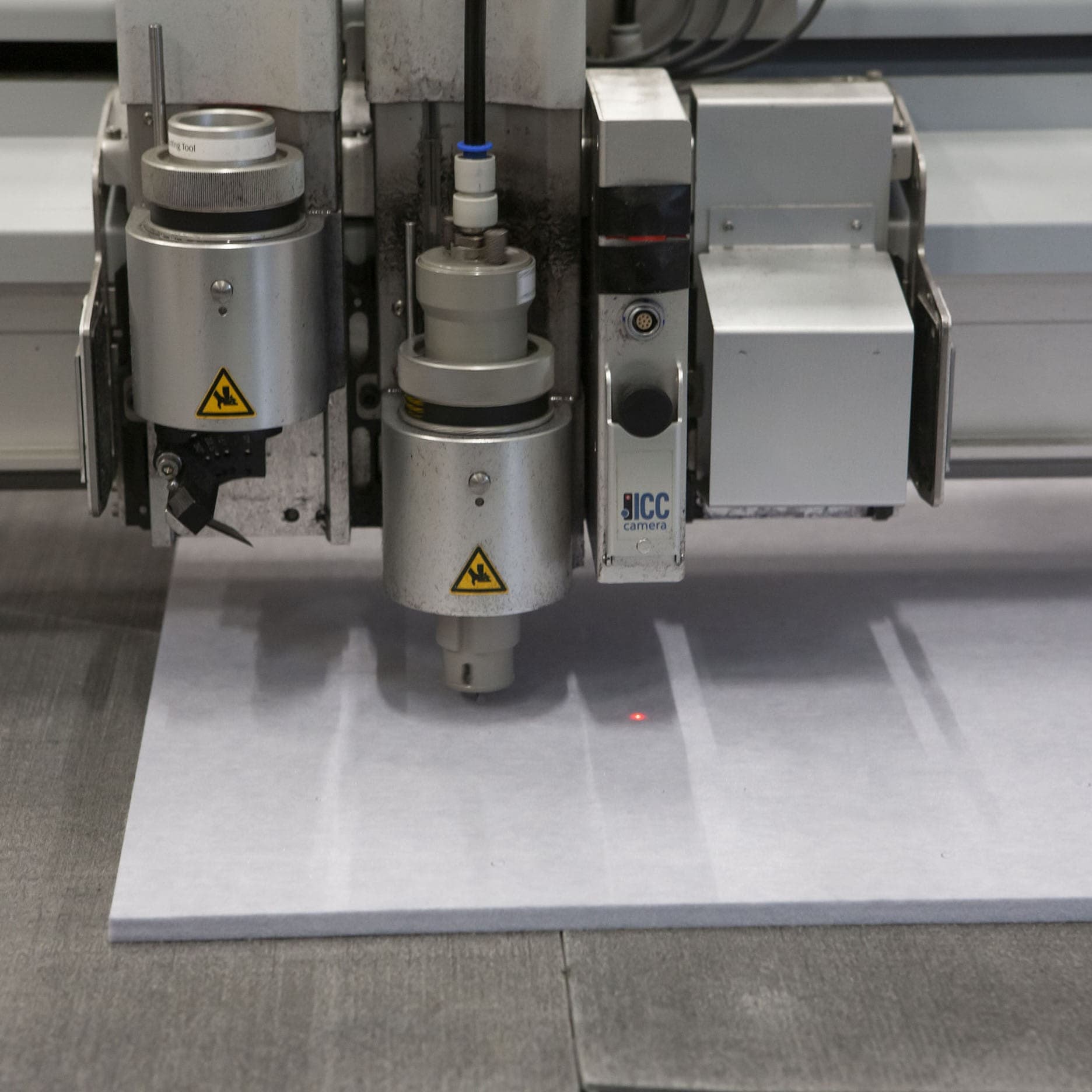
The wide choice of colours and shapes creates scope for playing with contrasts, patterns and textures. This makes acoustic felt not only a material choice, but also part of the project’s design language.


Felt on the wall as a design statement
Where wall finishes once played mainly a supporting role, they are now increasingly taking centre stage in interior design.
As a result, you are increasingly seeing a felt wall used as an architectural element. For example:
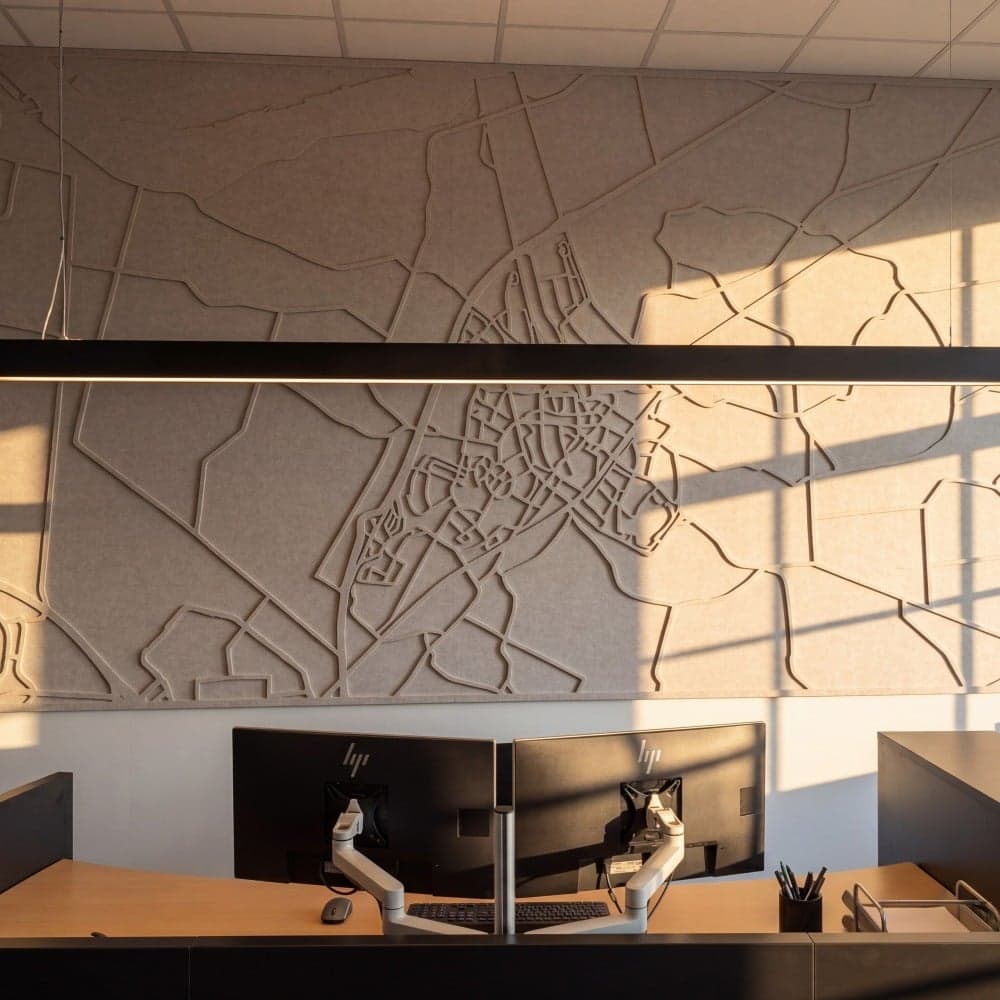
- A striking feature wall in a reception area
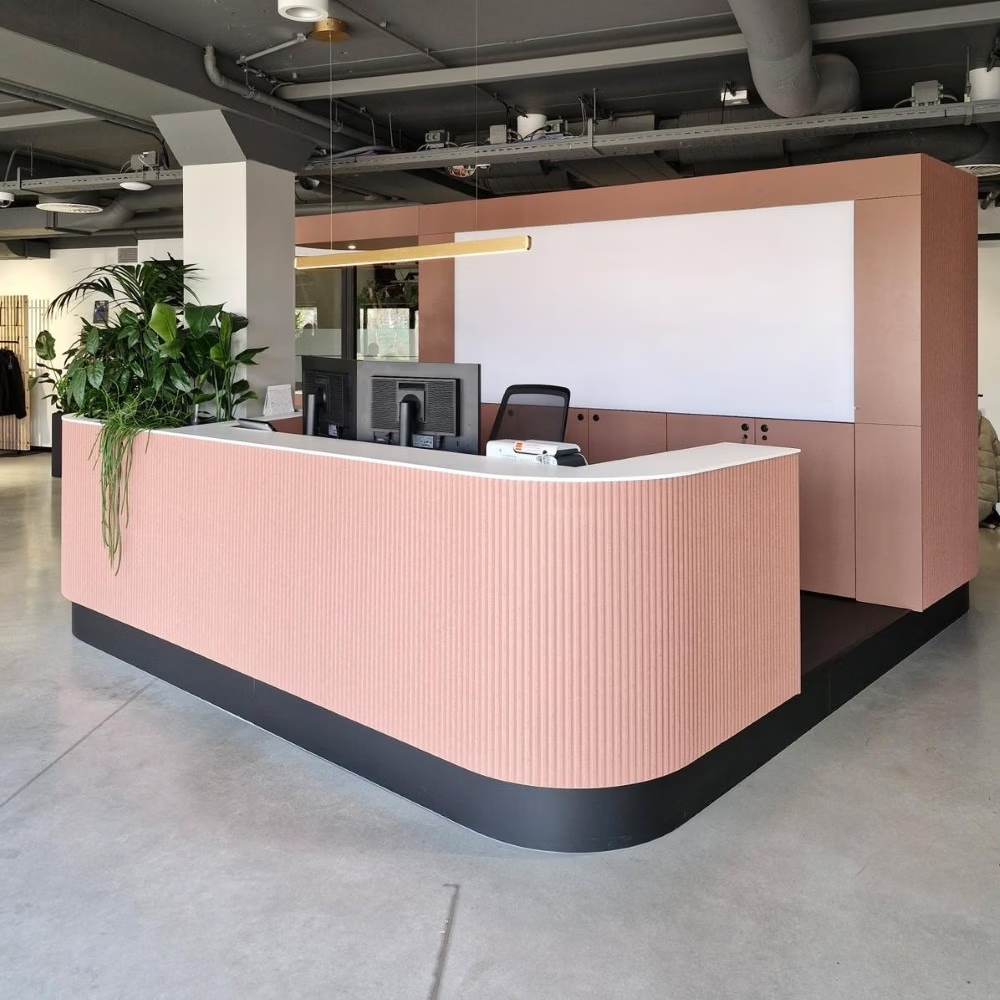
- A graphic pattern behind a reception desk
- A warm texture in a meeting room
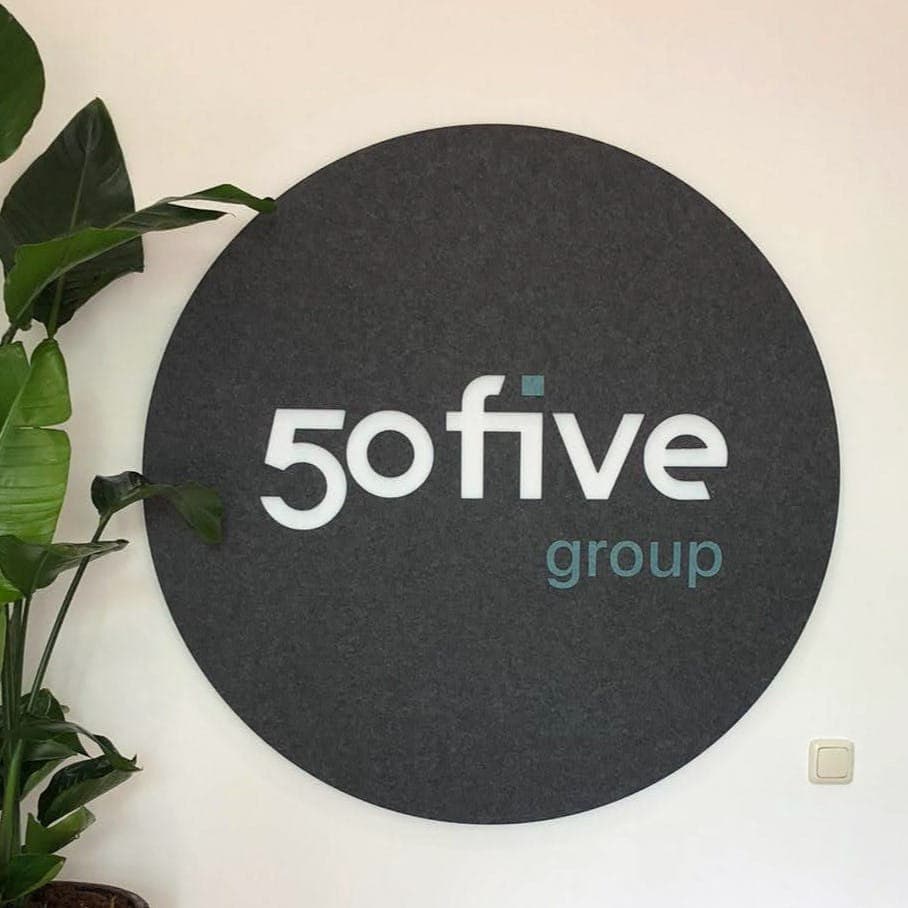
- A brand-enhancing wall in corporate colours
- Organic shapes that add movement and depth
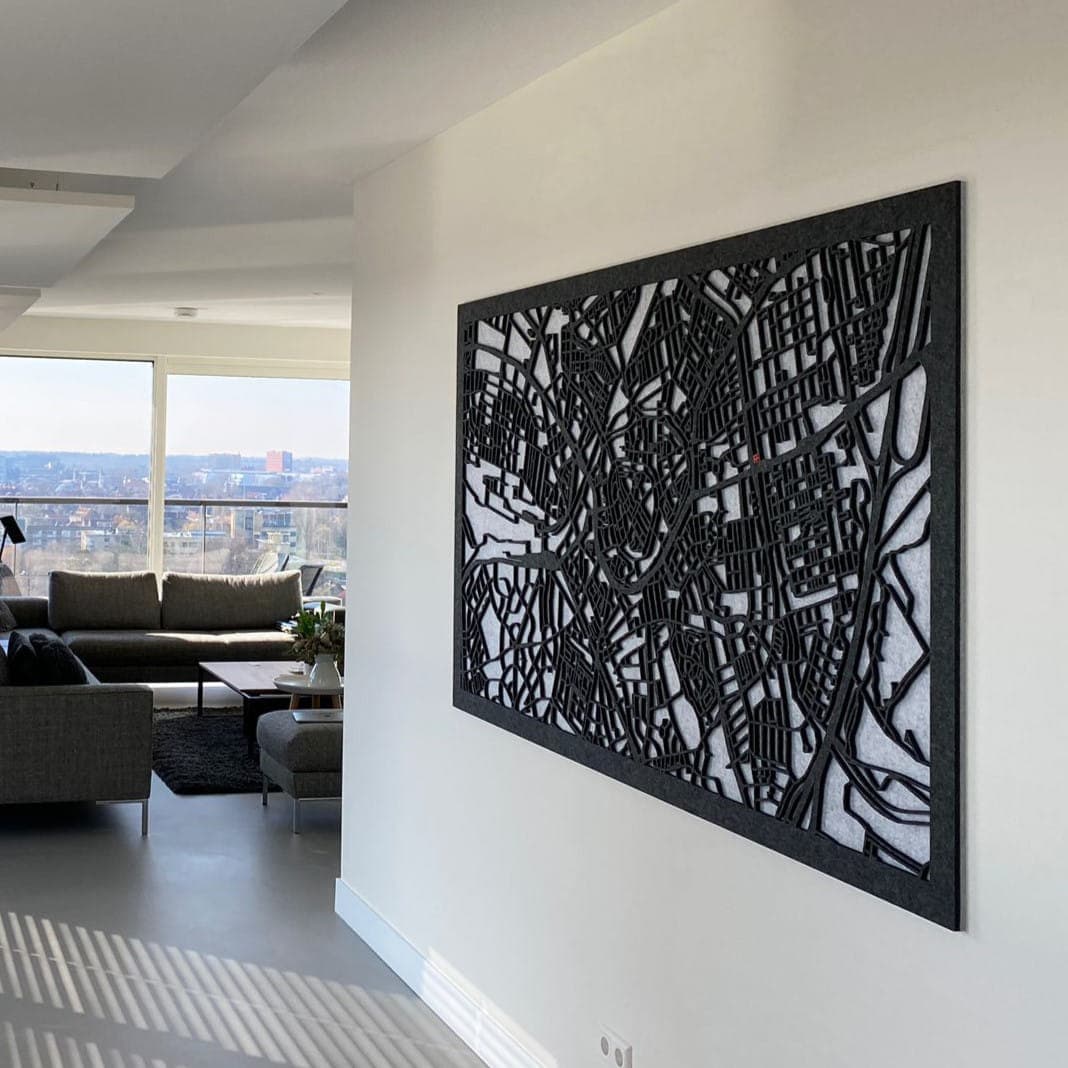
- 3D felt wall covering that really catches the eye
By incorporating acoustic wall décor, you create a wall that does more than simply finish a room. The material contributes to the identity, appearance and experience of the interior. As a result, the role of the material shifts from finish to design feature. The result is an interior in which the material actively contributes to the concept rather than merely serving a supporting function.
The growing popularity of felt wall panels
Within modern interior design, demand is growing for materials that are both visually interesting and versatile. This partly explains why felt panels are increasingly being included in material libraries and concept proposals.
The appeal lies in the flexibility of the material. A felt wall panel can blend subtly into the design, or instead serve as a focal point. Depending on the colour, size and pattern, it creates a completely different look.
From serene tone-on-tone interiors to striking colour concepts: felt wall coverings adapt effortlessly to different design styles.

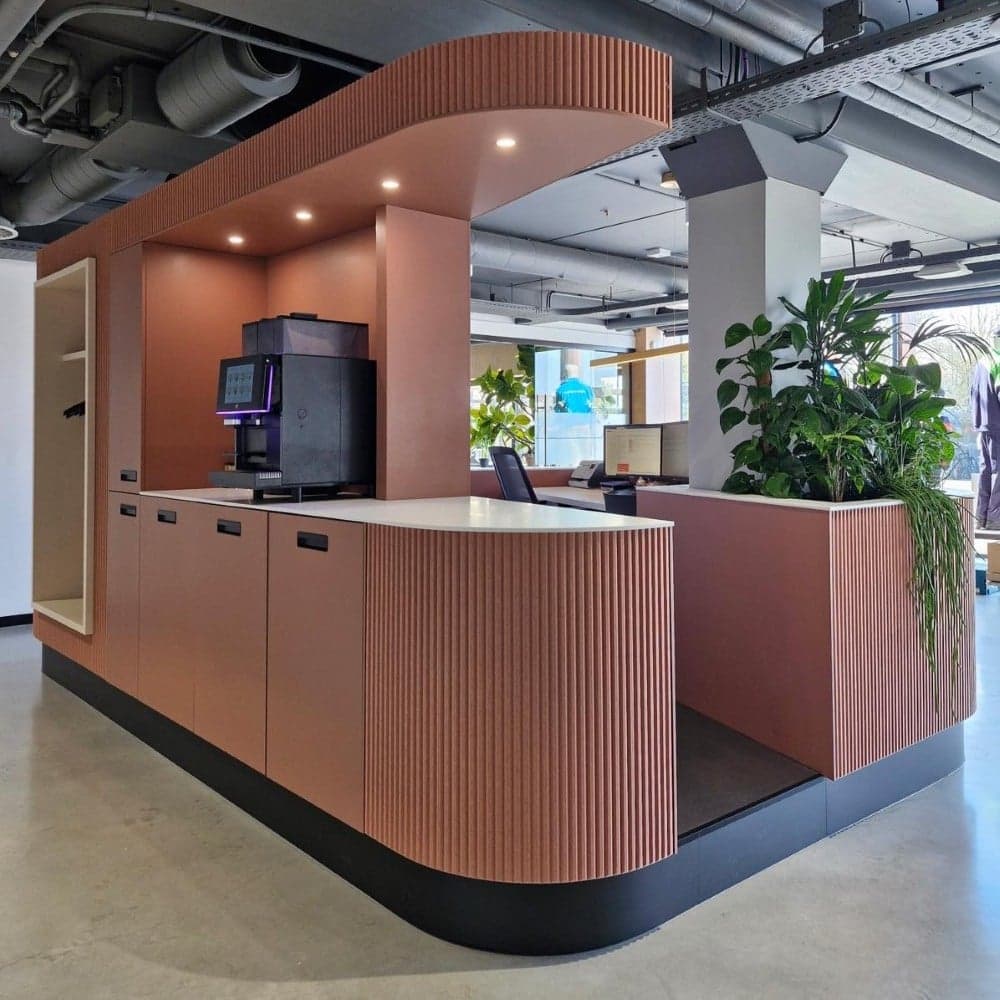
When design and comfort come together
In addition to its aesthetic qualities, PET felt is also frequently used in spaces where comfort plays a role. Think of workplaces, meeting rooms, educational environments and hospitality projects. As a result, we are increasingly seeing projects where design and the experience of a space go hand in hand.
Applications such as acoustic wall cladding show that a material does not have to choose between appearance and functionality. On the contrary: the most beautiful solutions often arise when the two come together.
That is why felt acoustic panels are increasingly being integrated into the overall interior concept, with the focus on design, use of colour and the experience of materials. Not because technology is central, but because designers are looking for materials that add value both visually and spatially.
From moodboard to a recognisable space
A moodboard is often the first moment when a design starts to develop an identity. Materials play an important role in this, translating abstract ideas into something visible and tangible.
Felt gives designers the opportunity to incorporate atmosphere, colour and texture into the concept at an early stage. Whether it involves a subtle application of felt wall covering, a striking felt wall or bespoke solutions, the material helps to reinforce a design narrative.
This creates a natural progression from inspiration to materialisation, with the original design concept remaining recognisable right through to the final result.