










Checklist: Is PET felt the right material for your project?
Choosing a material seems simple, until you take acoustics, appearance, durability, intensity of use and budget into account. PET felt is widely used in offices, hospitality venues, educational settings and homes because it combines design and functionality. But is it the right choice for your project? With this checklist, you can easily assess whether PET felt is a good fit for the space, its users and the project objectives.
13 October 2026
What is PET felt?
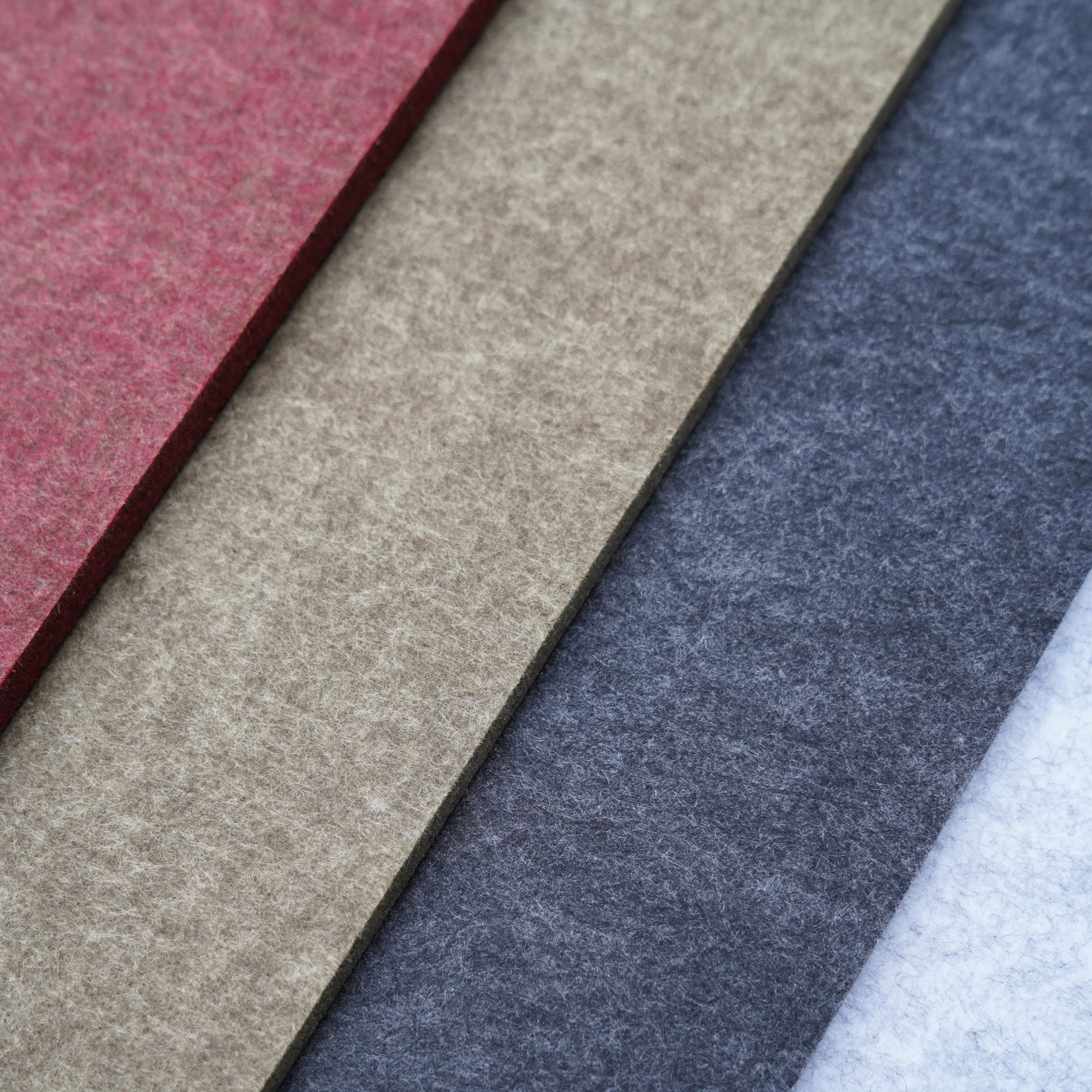
PET felt is made from recycled PET bottles and processed into sturdy, dimensionally stable panels. The material combines acoustic properties with a warm appearance and offers plenty of design freedom.
As a result, felt is increasingly being used as a complete wall finish, ceiling solution or decorative element. Thanks to its combination of functionality and aesthetics, it is a popular material among interior designers and architects.

Checklist 1: What type of space are you setting up?
The function of a space largely determines whether PET felt is a good choice.
Office environments
In offices, speech intelligibility is often a challenge. Hard materials such as glass, concrete and steel cause reverberation and noise nuisance.
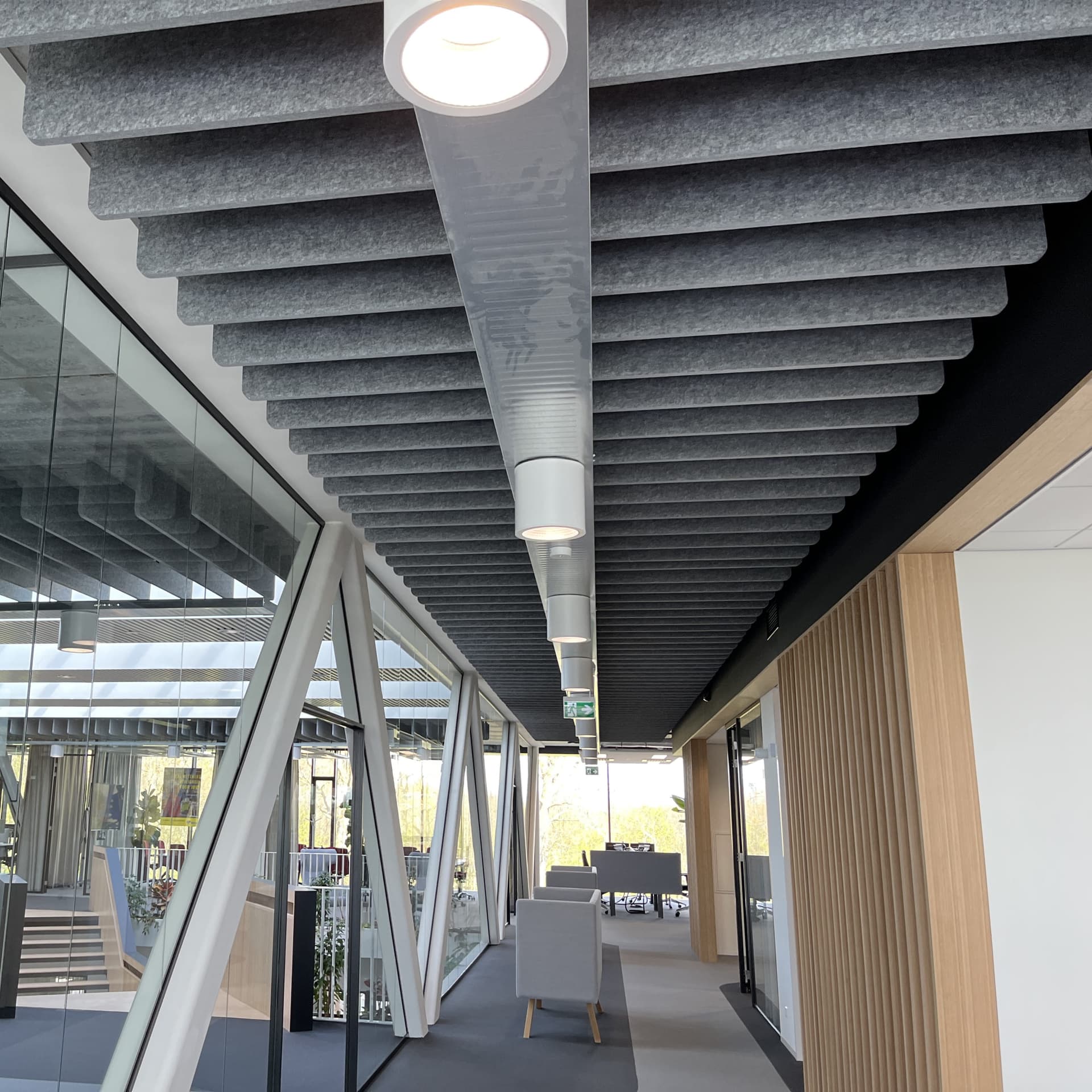
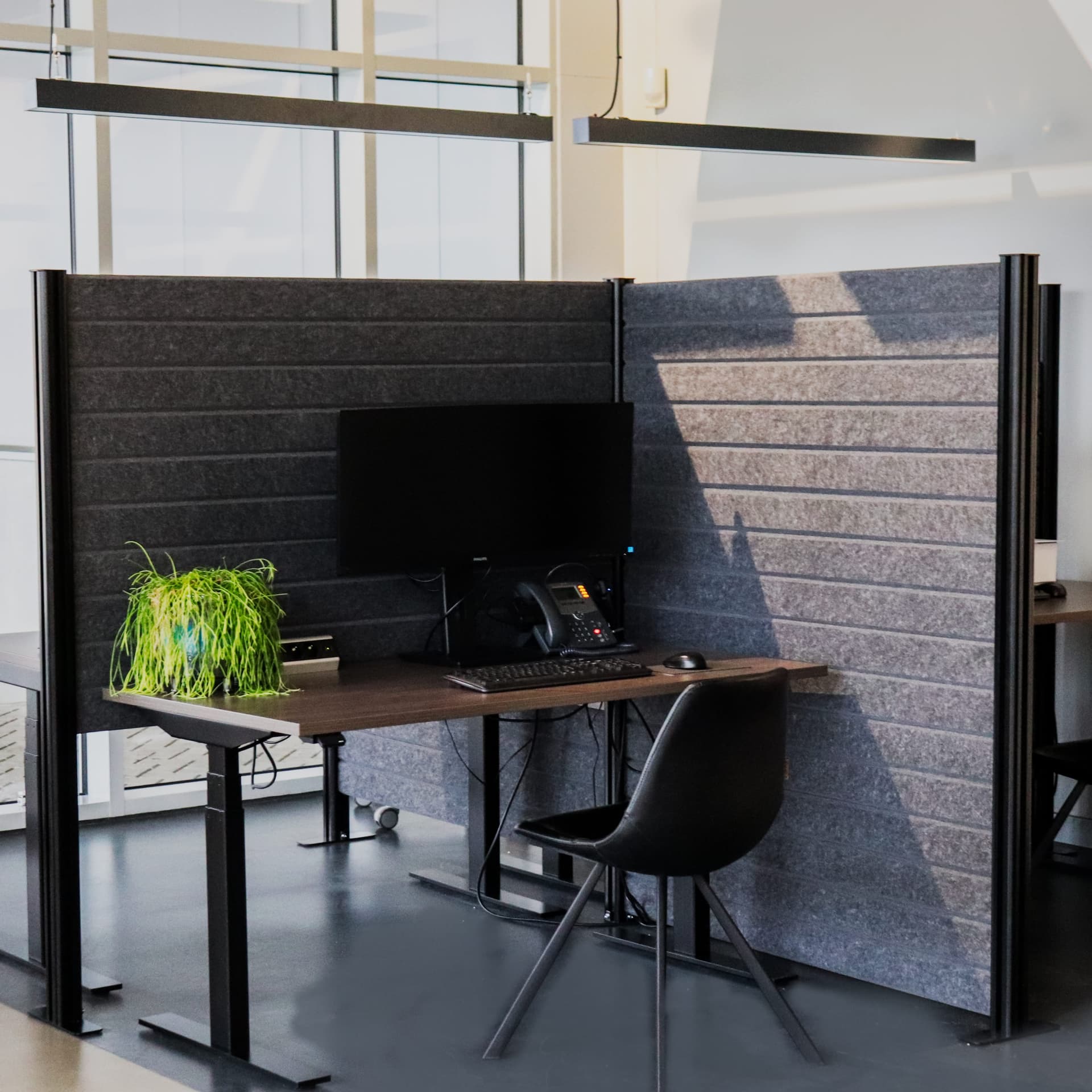
With felt panels on the wall or ceiling, you can improve acoustics without compromising on aesthetics. Especially in open-plan workspaces and meeting rooms, PET felt offers an effective solution.
Education
Schools, universities and training spaces need materials that can withstand intensive use. PET felt helps reduce noise nuisance and contributes to a more pleasant learning environment.
Felt wall panels and ceiling panels are regularly used here as both an acoustic and decorative solution.
Hospitality Industry
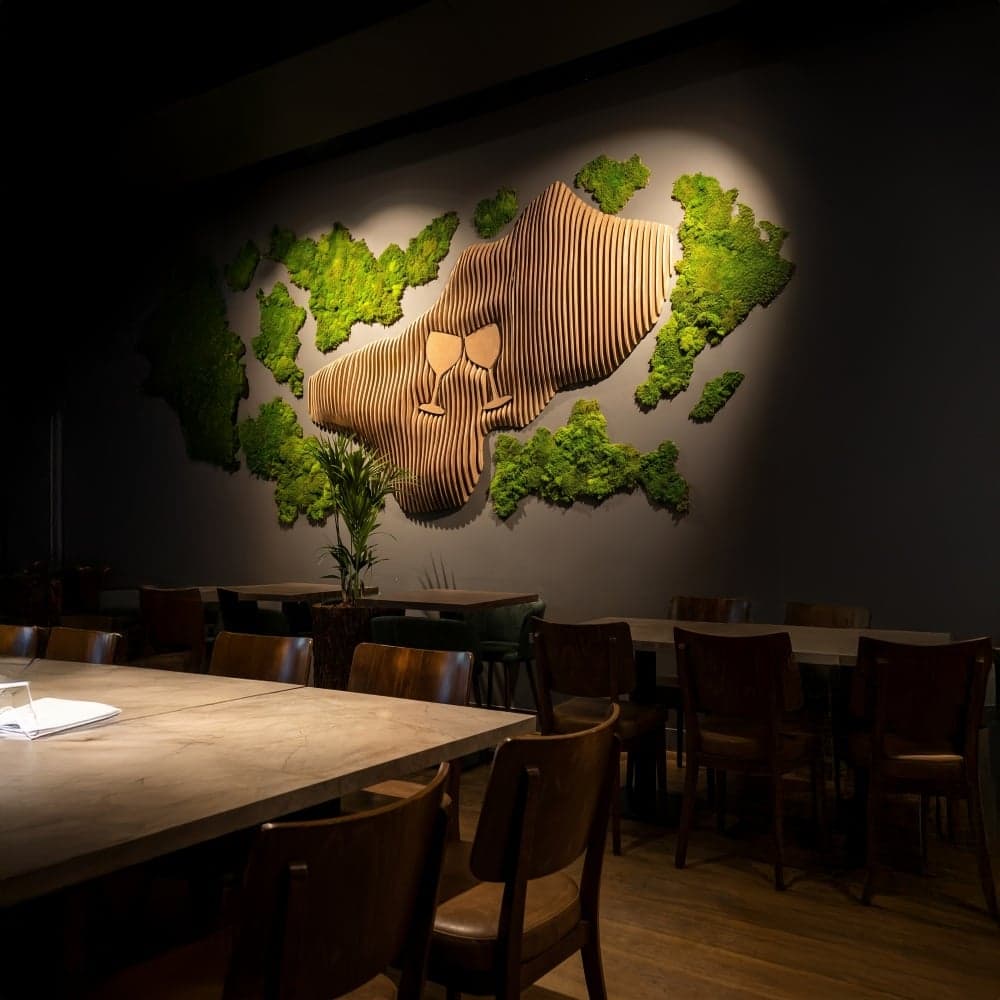
Restaurants, cafés and hotels are placing a strong emphasis on ambience. PET felt adds warmth to the interior while also helping to reduce bothersome reverberation.
A stylish form of acoustic wall décor ensures that guests can understand one another better and stay comfortable for longer.
Residential environments
There is also growing demand for acoustic solutions in homes. Think home offices, living rooms with high ceilings or open-plan living spaces.
Here too, strategically placed felt panels can have a beneficial effect.
Checklist 2: How intensively is the space used?
Not every space is subjected to the same level of use each day.
Light use
In living rooms, meeting rooms or executive offices, the level of wear and tear is relatively low. PET felt retains its appearance here for many years. As there is little direct contact with the panels, the risk of damage, soiling or wear is minimal. This makes PET felt a durable solution that requires little maintenance. Regular dusting is usually enough to keep the material looking neat.
Average usage
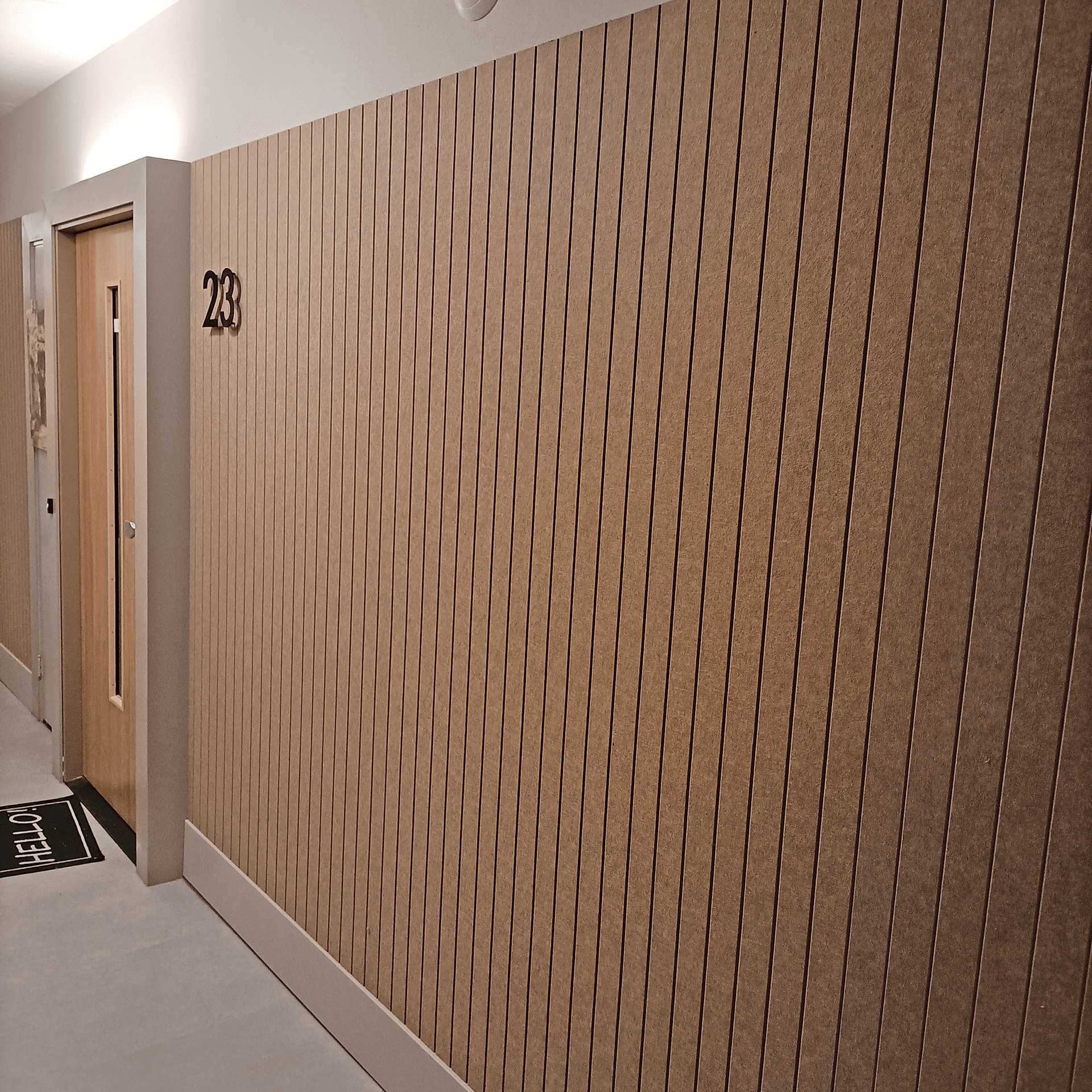
In schools, reception areas and flexible offices, PET felt provides sufficient durability for everyday use. However, it is important to consider how users make use of the space. In schools especially, pupils regularly touch it or sit or lean against the walls. By taking this into account in the design, the felt will stay looking good for longer and retain its appearance. This allows you to combine effective acoustic performance with a durable long-term application.
Intensive use
In busy public spaces, it is wise to consider the placement, protection and finish. Although PET felt is hard-wearing, it remains a material that performs best when used correctly. That is precisely why you can also opt for modular felt panels, so that individual parts can be easily replaced when necessary.
Checklist 3: What is the available budget?
Budget plays an important role in almost every project.
Limited budget
When the budget is limited, standard sizes and standard products are often a smart choice. These solutions are generally more cost-effective to produce than bespoke options. The dimensions of the panels also play a role: smaller or optimally packaged panels can help reduce transport and shipping costs. This way, you can still achieve an attractive and effective acoustic solution with a relatively modest budget.
Average budget
With an average budget, there is room for bespoke shapes and creative designs, meaning PET felt not only contributes to better acoustics but also becomes an important part of the room’s appearance and identity. If you want to achieve as much as possible within the available budget, it is wise to also consider the complexity of the design. Designs with many small cut-outs or perforations require more cutting time and finishing, which increases production costs. By choosing simpler shapes and efficient cutting lines, you can save costs without compromising on appearance or functionality.
High budget
For projects with a higher budget, there is more scope to invest in a complete solution that perfectly meets the project’s requirements. In addition to customisation in terms of shape, dimensions and colour, larger surfaces can also be fitted with PET felt, further enhancing both the acoustics and the appearance of a space. Although bespoke solutions generally require a greater investment, they can become relatively more attractive for larger projects, as higher order volumes often result in economies of scale. This creates more scope to opt for high-quality finishes, complex designs or extensive applications of, for example, acoustic wall covering. For many designers and clients, this makes it possible to create a sustainable, representative and future-proof interior without compromising on quality or appearance.

Checklist 4: What kind of atmosphere do you want to create?
Perhaps the most important question: what look should the space have?
Warm and inviting
PET felt naturally has a soft, textile appearance. This immediately makes a space feel warmer than with hard materials.
Modern and sleek
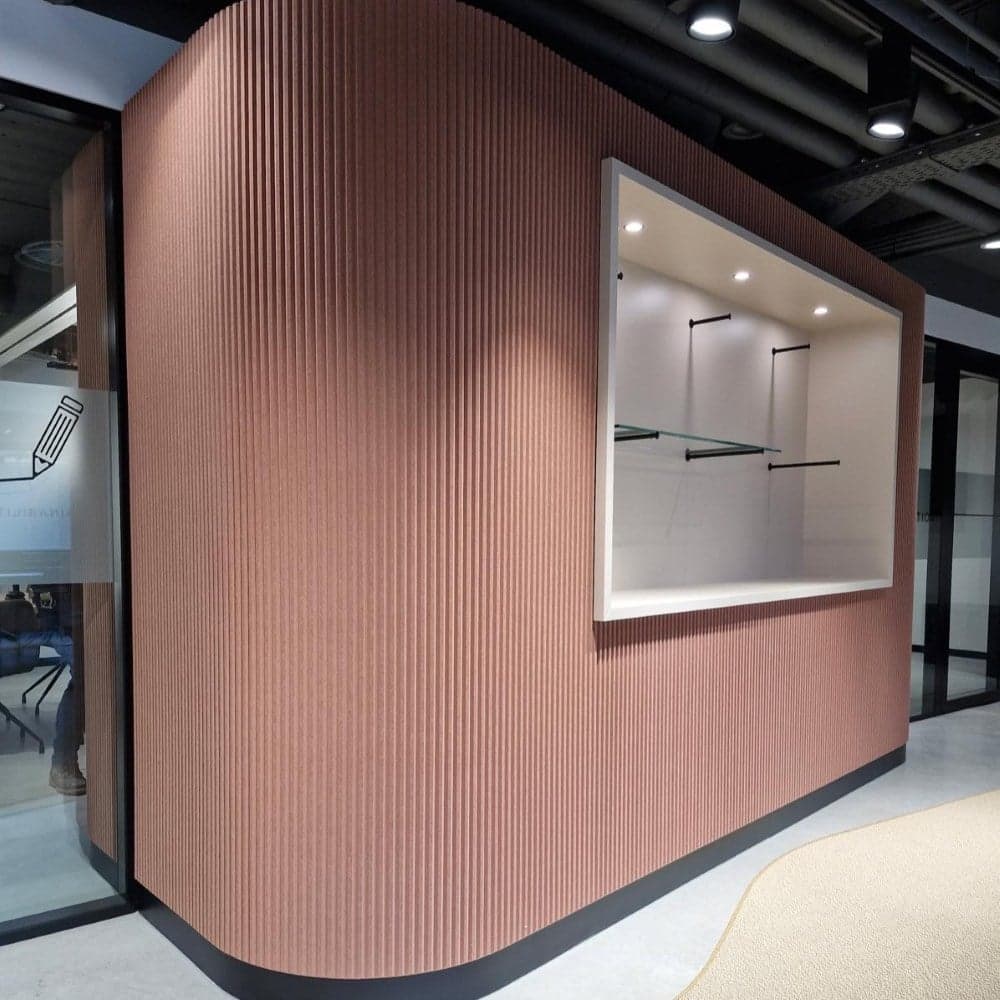
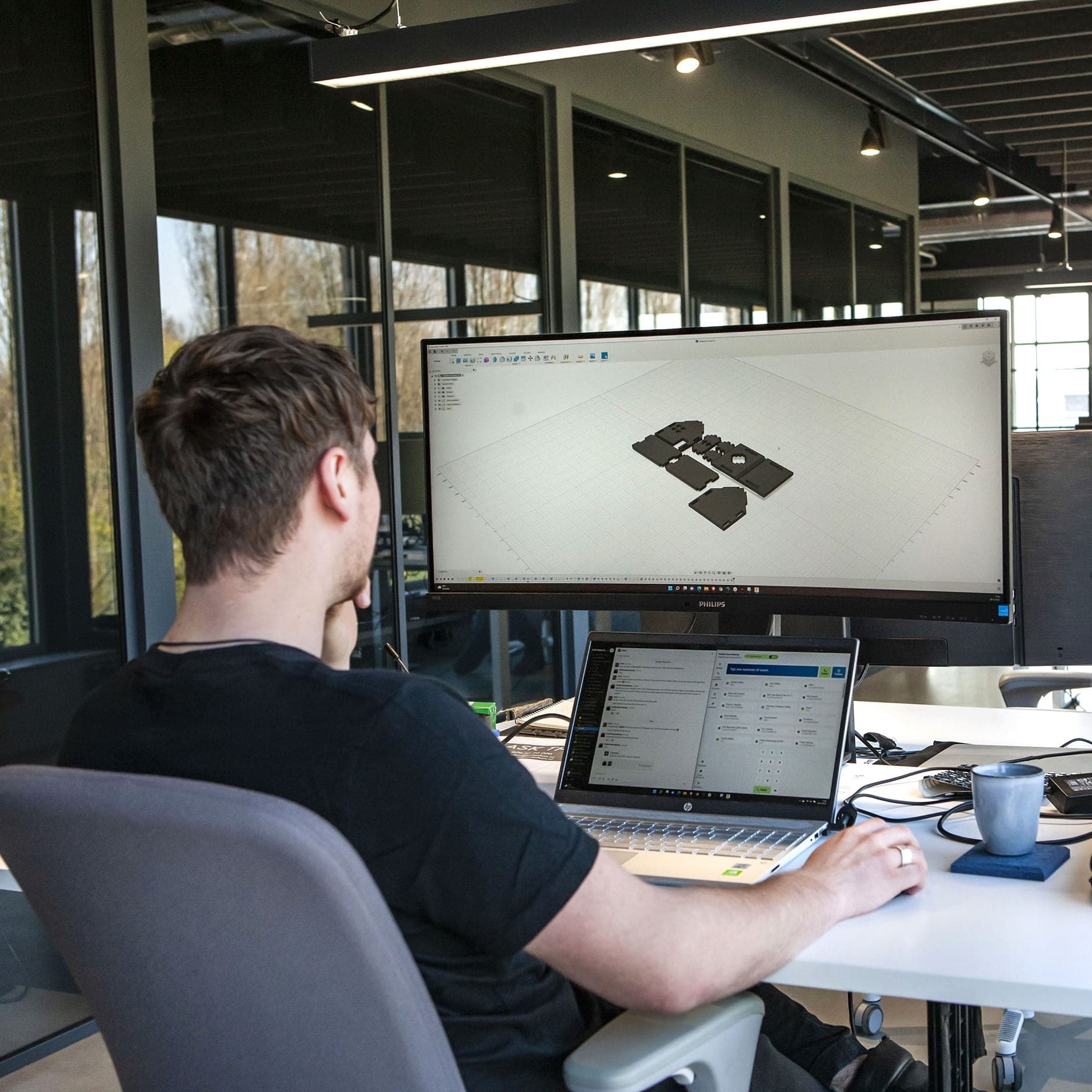
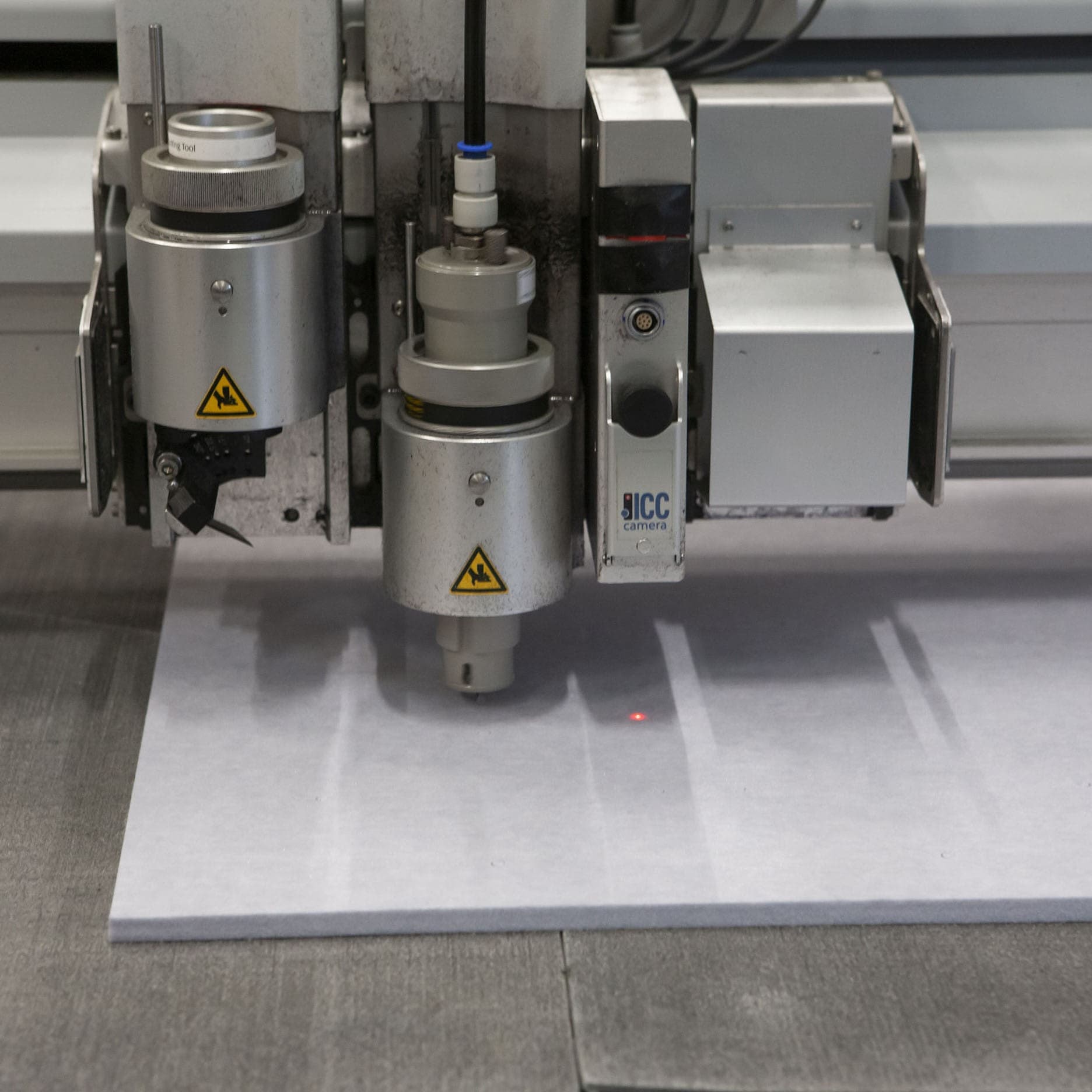
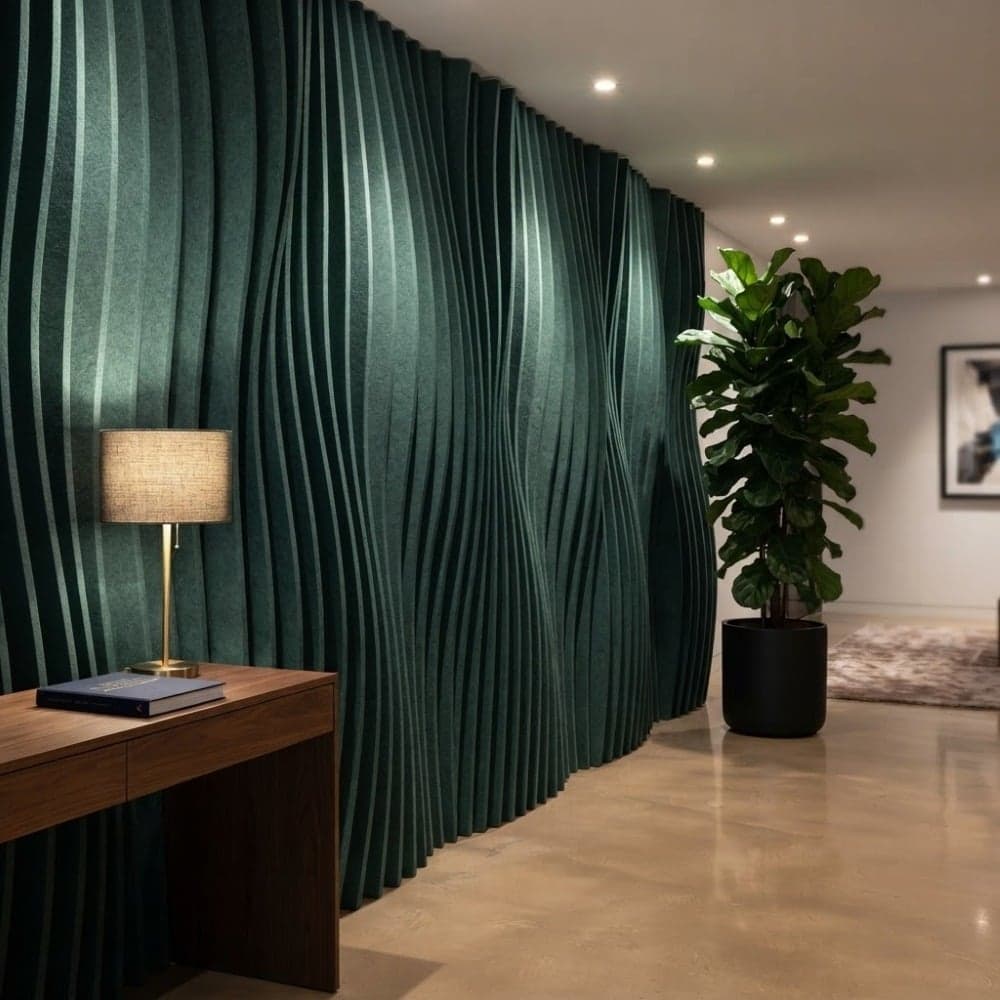
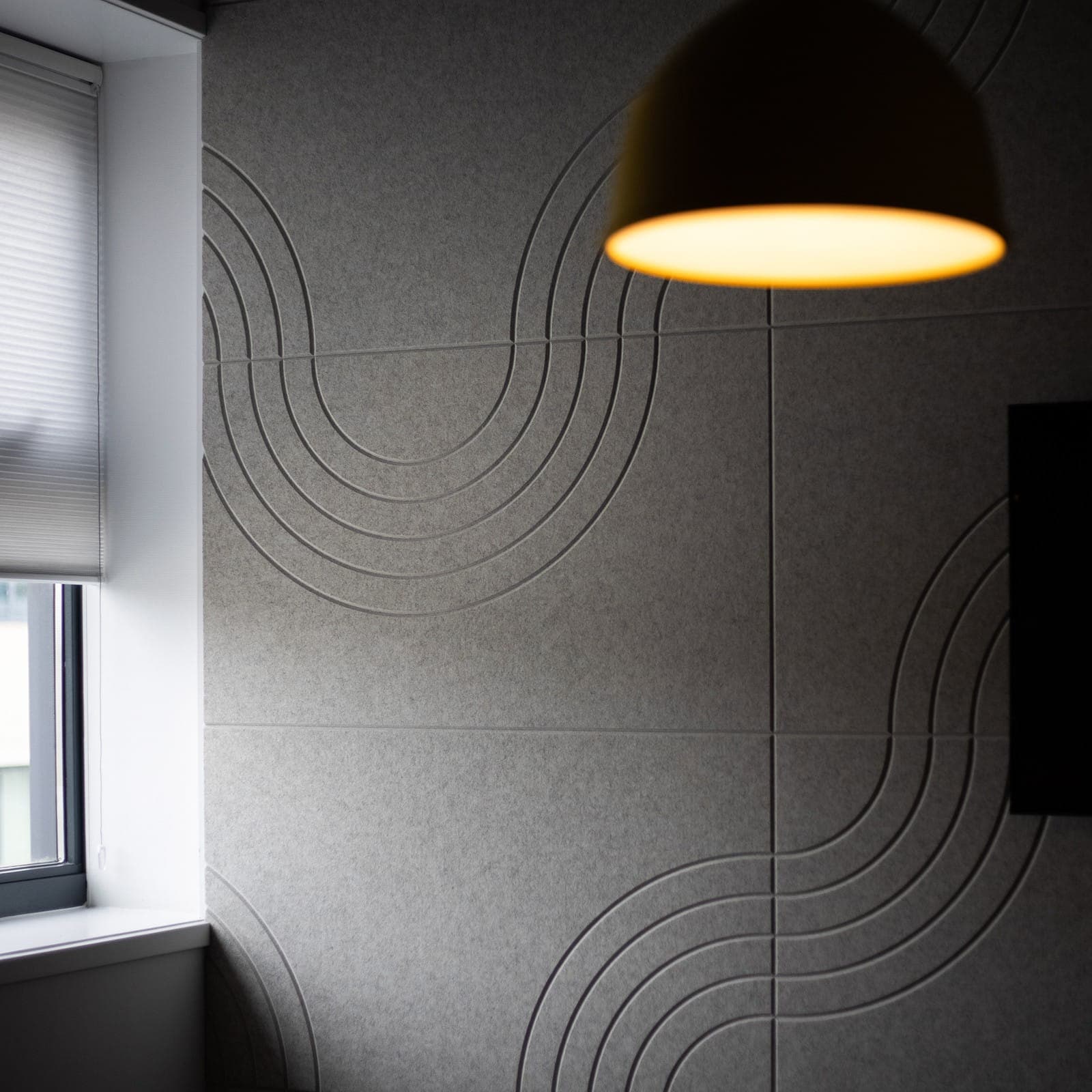
Thanks to its sleek finish and precise CNC machining, PET felt is also ideally suited to modern interiors.
Creative and playful
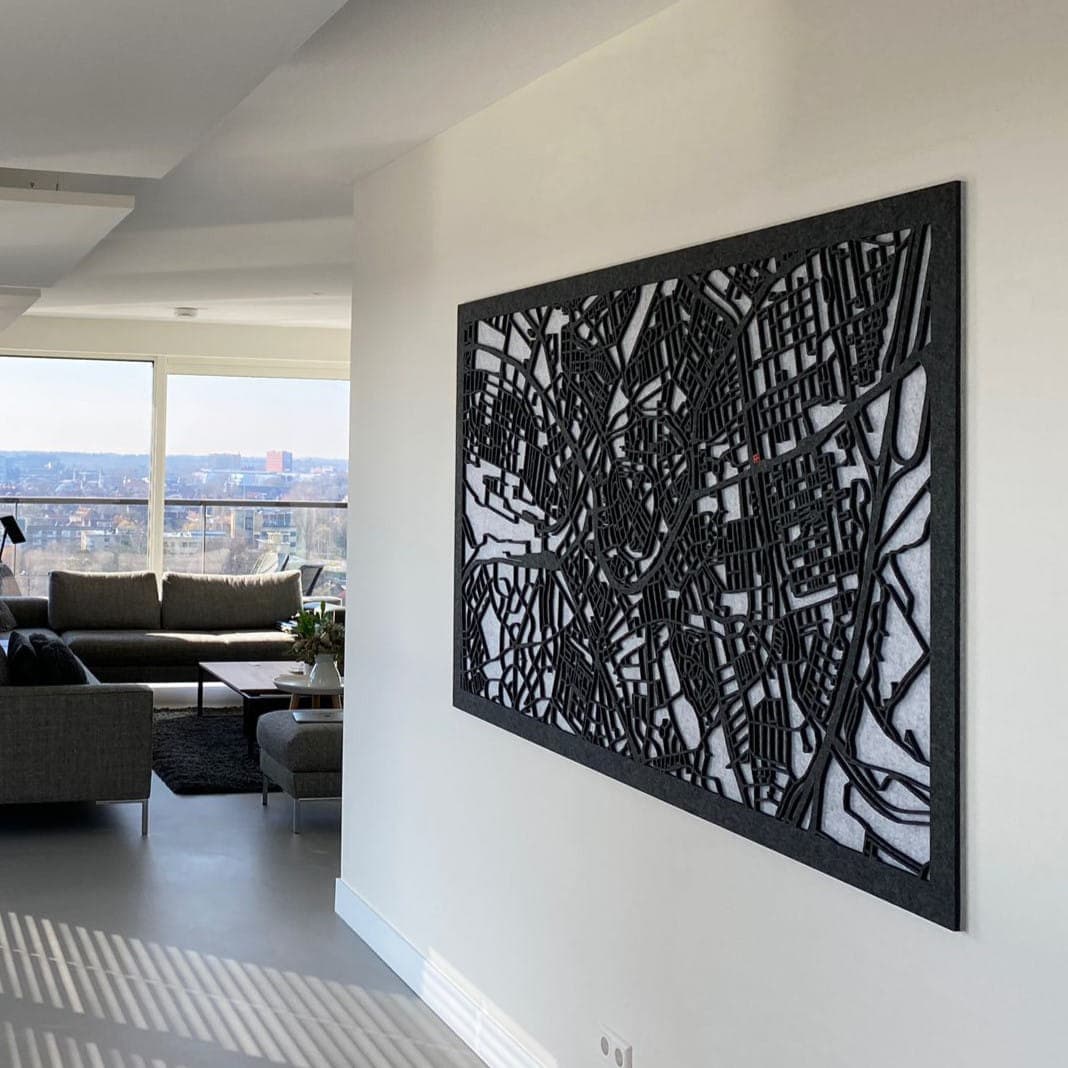
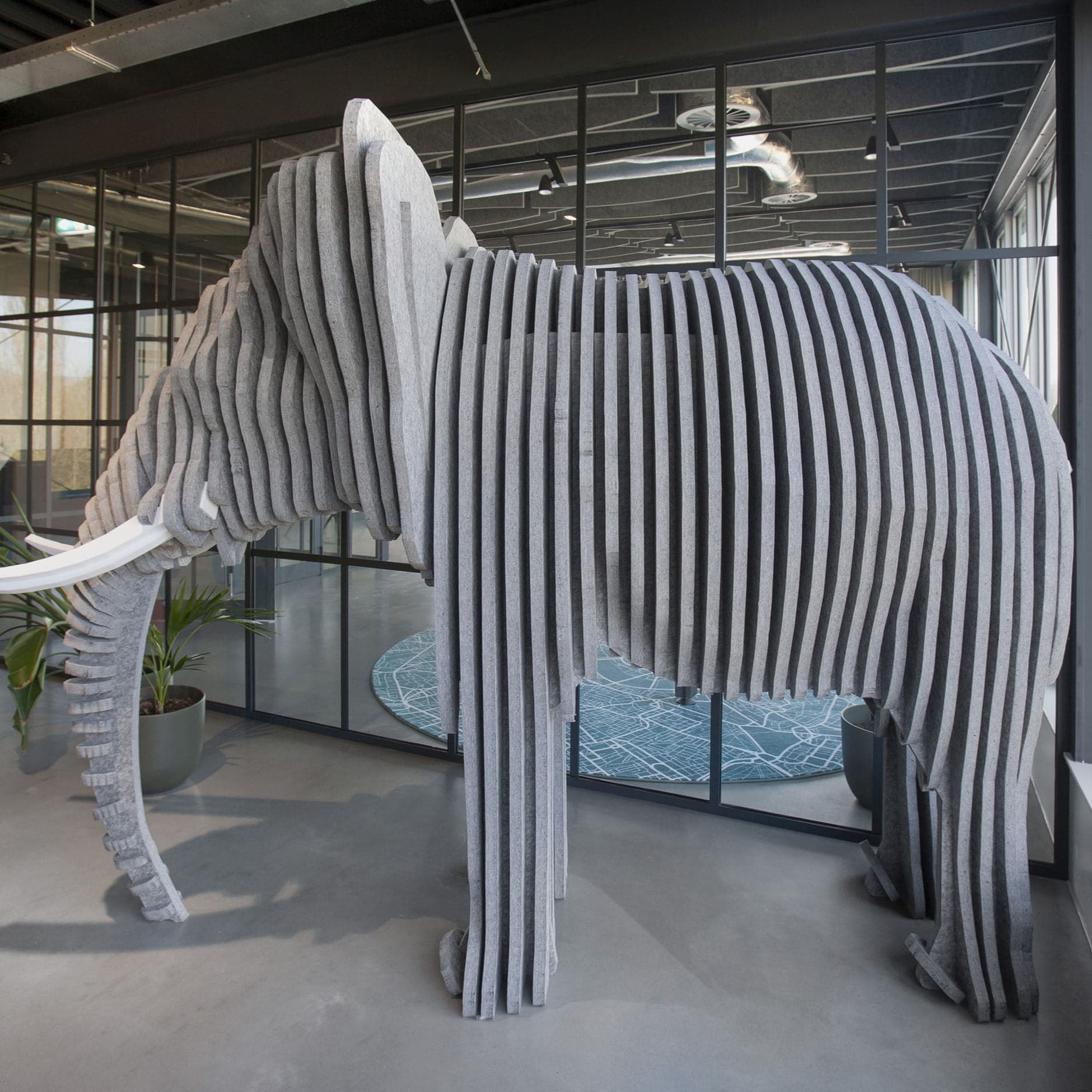
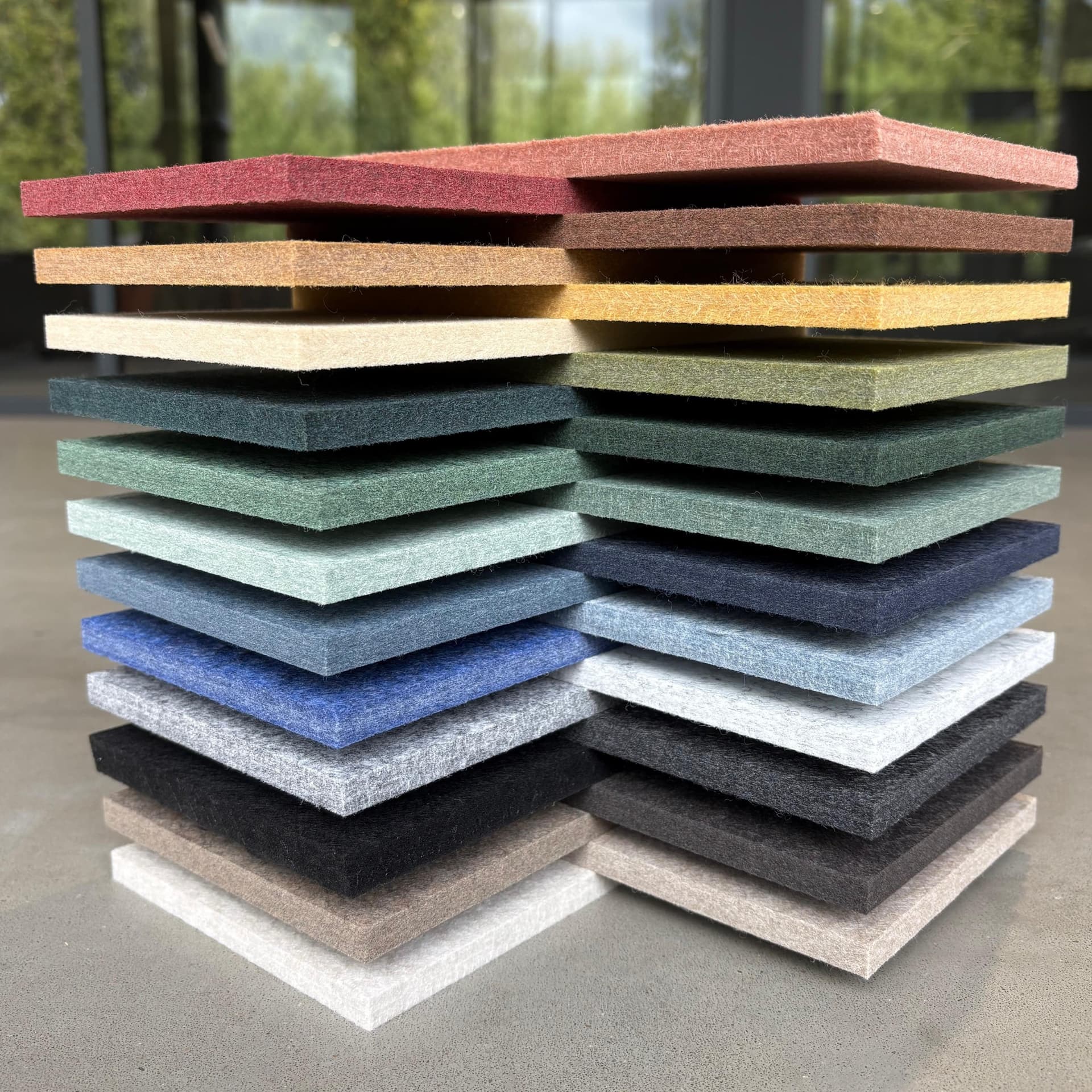
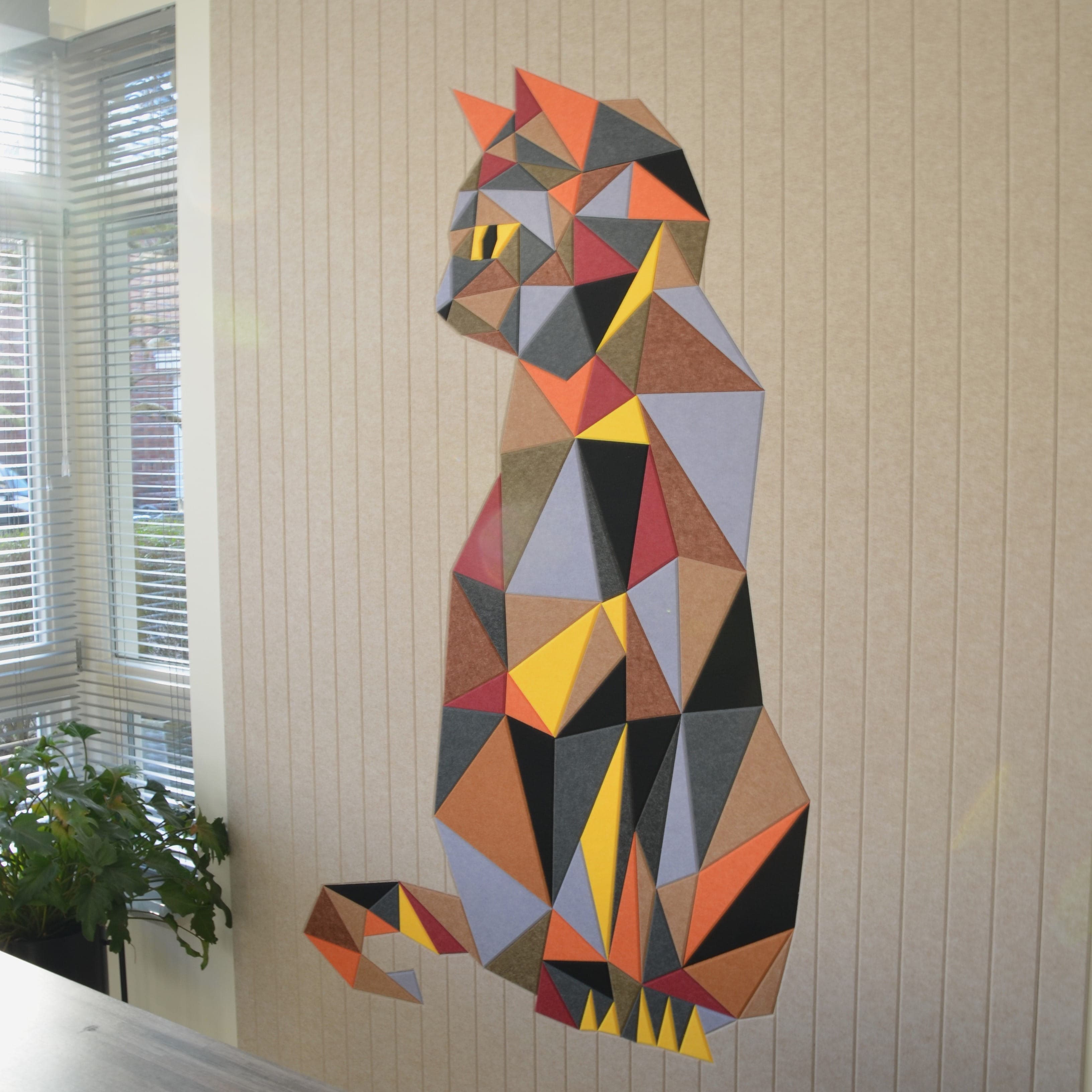
By working with patterns, relief and colour combinations, unique designs are created. This often involves combining several felt wall panels into one striking wall composition.
Calm and minimalist
Subtle applications are also possible. A neutral colour palette and understated shapes create a refined result without visual clutter.
Checklist 5: Is acoustics an important design objective?
When acoustic comfort is a consideration, acoustic felt is almost always worth considering.
Materials such as concrete, glass and stone reflect sound. This creates reverberation and reduced speech intelligibility. By adding PET felt, sound is absorbed, creating a more pleasant acoustic environment.
That’s why PET felt is often used as:
- Acoustic wall coverings
- Ceiling panels
- Room dividers
- Custom interior accents
Especially in spaces where a lot of talking, working or collaboration takes place, this provides noticeably greater comfort.


When might PET felt not be the best choice?
Although PET felt is versatile, no material is perfect for every situation.
Consider alternatives when:
- The space is permanently wet;
- Extreme mechanical loads are present;
- Very specific fire or technical requirements apply that call for a different solution;
- The appearance must remain completely industrial and stark.
A good choice of material always starts with weighing up function, aesthetics and technical performance.
PET felt is often more than just a finish
For designers, PET felt offers a unique combination of aesthetics, acoustics and sustainability. Whether you’re working on an office, school, hospitality project or home, the material can be used in various ways to enhance both the user experience and the interior design.
So always ask yourself:
- What type of space am I designing?
- How intensively will it be used?
- What budget is available?
- What atmosphere do I want to create?
- How important is acoustic comfort?
Can you answer most of these questions with “yes” in favour of PET felt? If so, there’s a good chance that a felt wall panel or complete application with felt wall panels or ceiling panels is the right choice for your project.
This is how you create spaces that not only look beautiful, but also sound more pleasant and function better.