










How Material Choice Determines the Identity of a Room
When you enter a room, you often feel it immediately: this feels right. Or not. That first impression is all about material choice. It’s not just colours and shapes that determine the atmosphere, but especially the materials you use. They influence how a space sounds, feels, and how you behave within it. Discover here how smart material choices can establish a strong interior identity.
30 June 2026
Material is atmosphere-defining (and you can feel it immediately)
Materials communicate. Wood feels warm and natural, steel sleek and cool, glass light and open. But what if you're looking for more: calm, softness and comfort? Then you quickly come to textile materials such as acoustic felt.
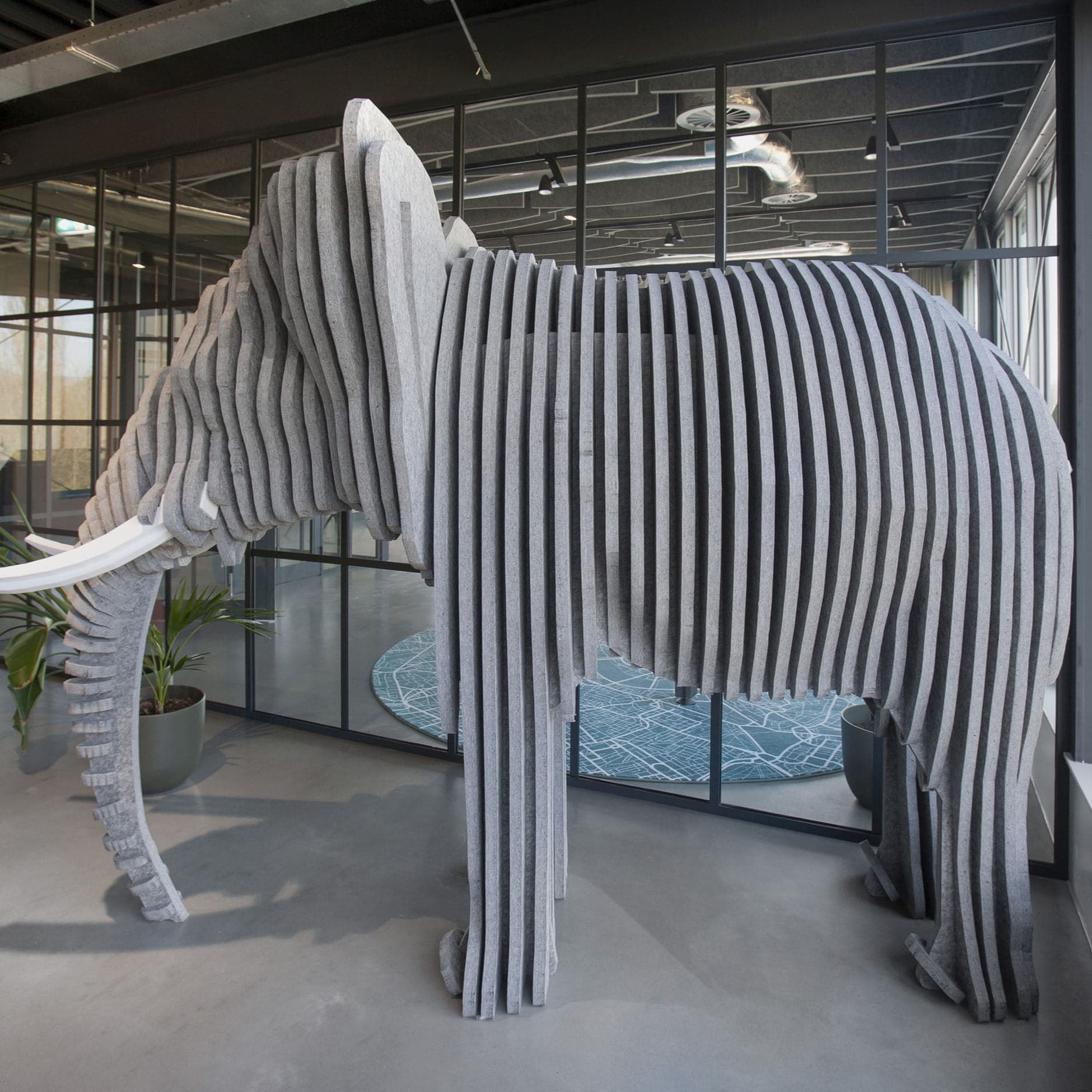
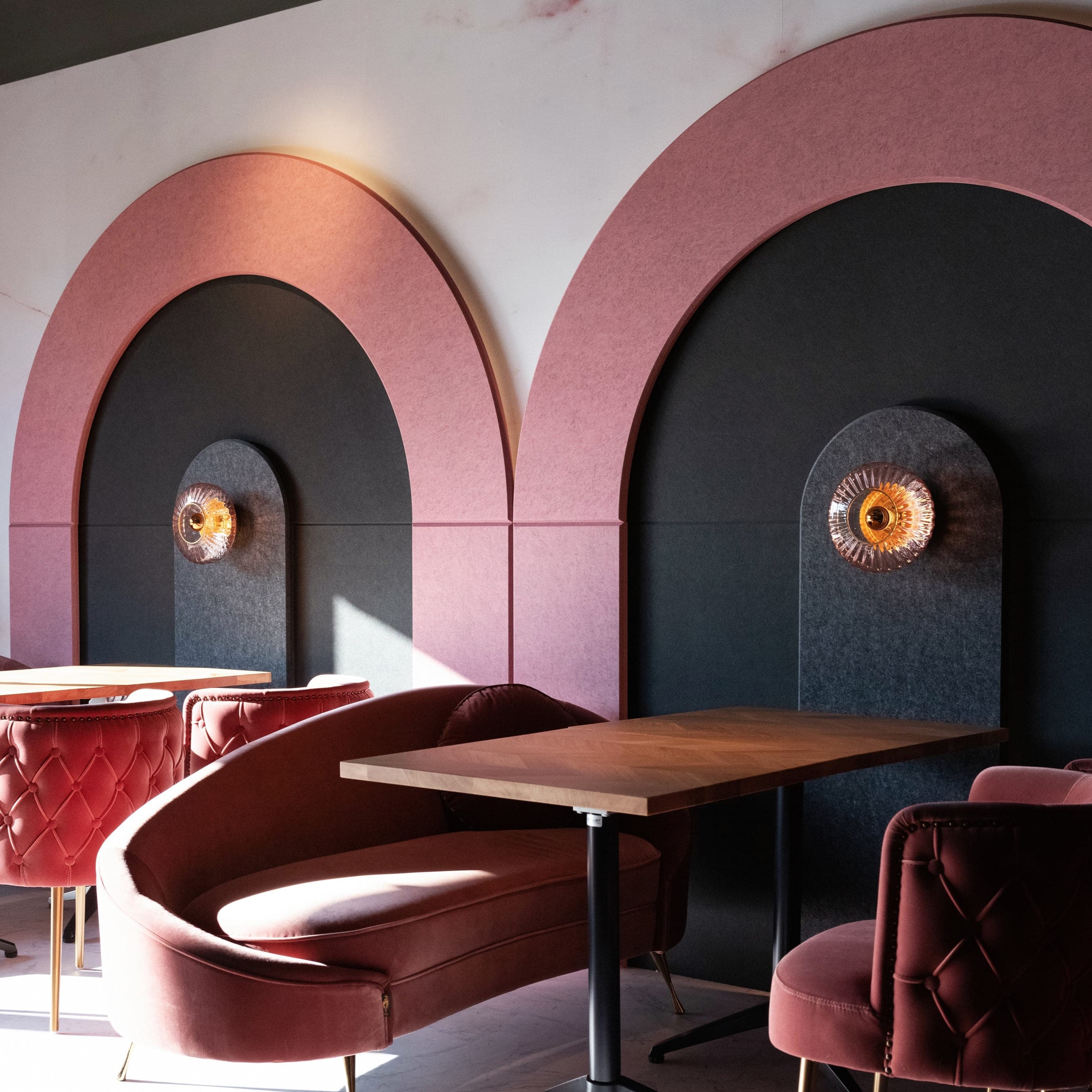
Felt has a soft appearance, but is simultaneously easy to shape. As a result, it fits just as well in a minimalist office as in a warm interior in a restaurant. It is that very balance that contributes to a recognisable interior identity.
Rust and acoustics as a basis
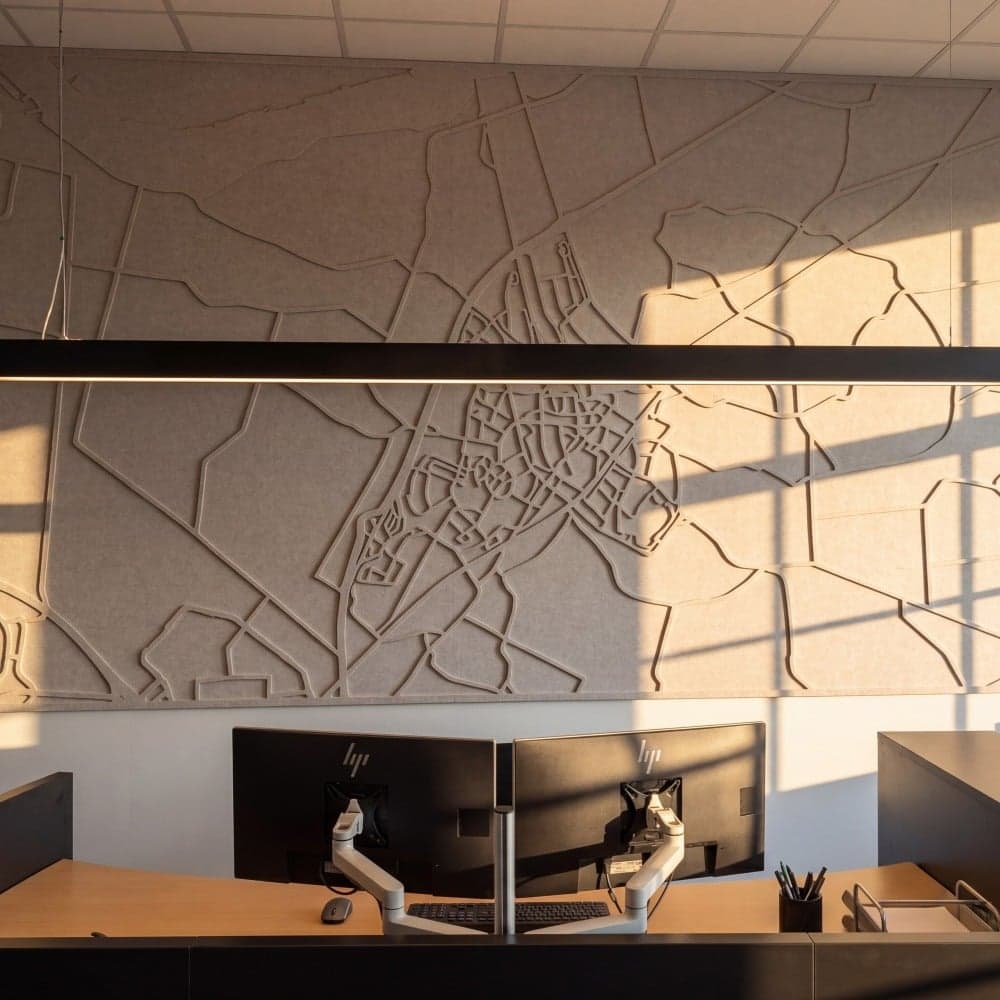
A space might look beautiful: if the sound isn't right, it never feels comfortable. That's why more and more architects are choosing acoustic wall covering as part of their design.
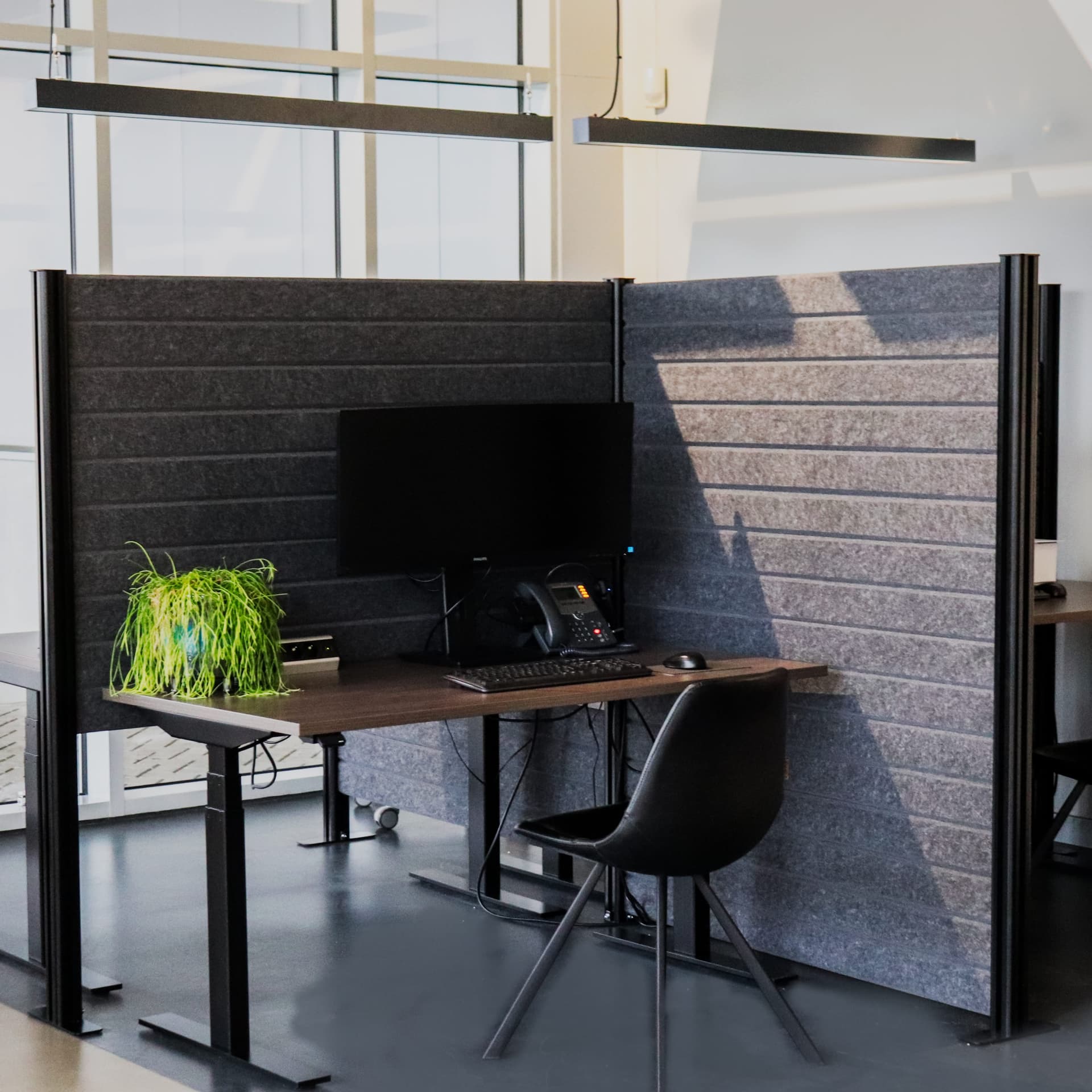
With felt panels, you not only add visual softness but also improve the acoustics. Sound is dampened, making conversations more pleasant and reducing the number of stimuli you experience.
Whether you are working with:
- A large flat felt on the wall
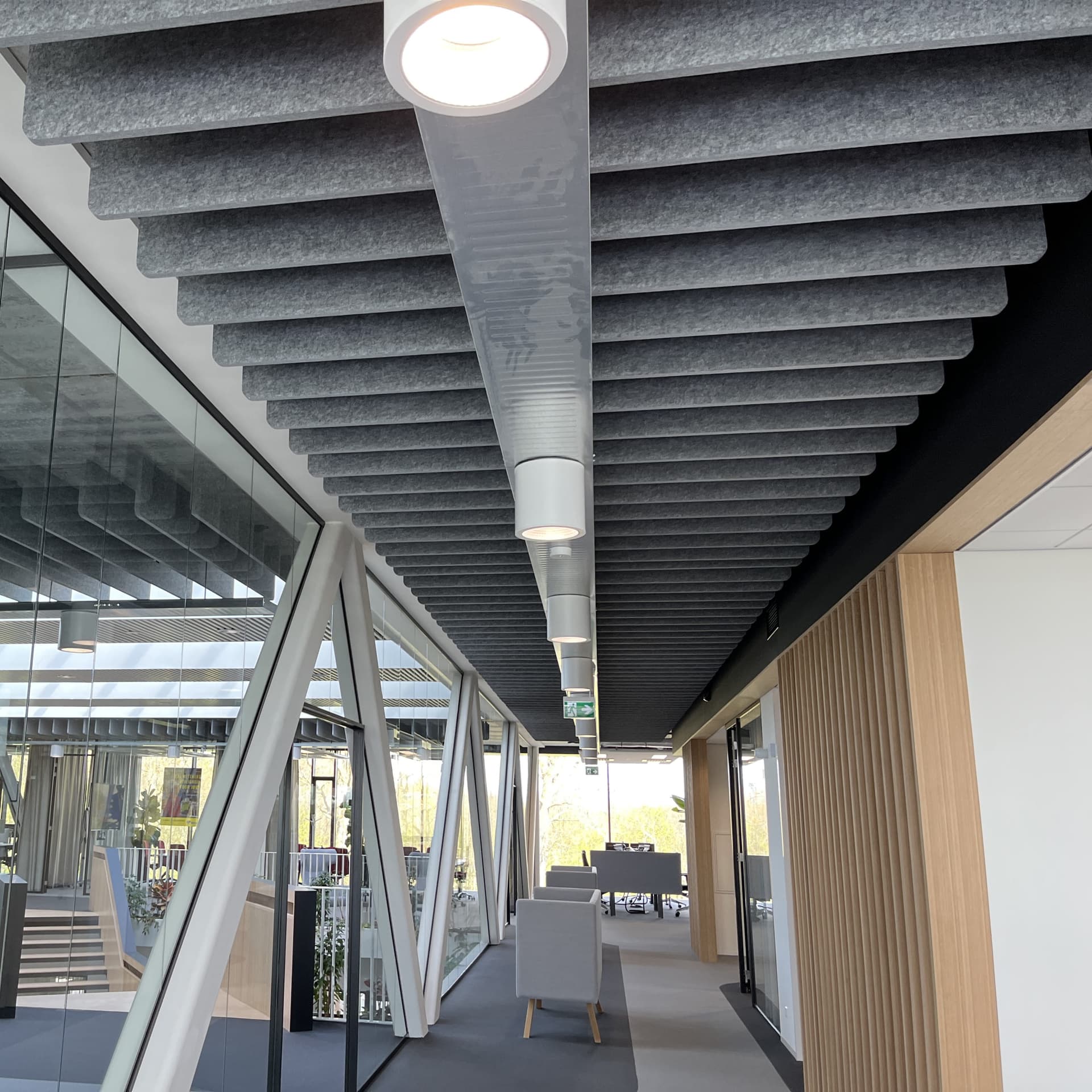
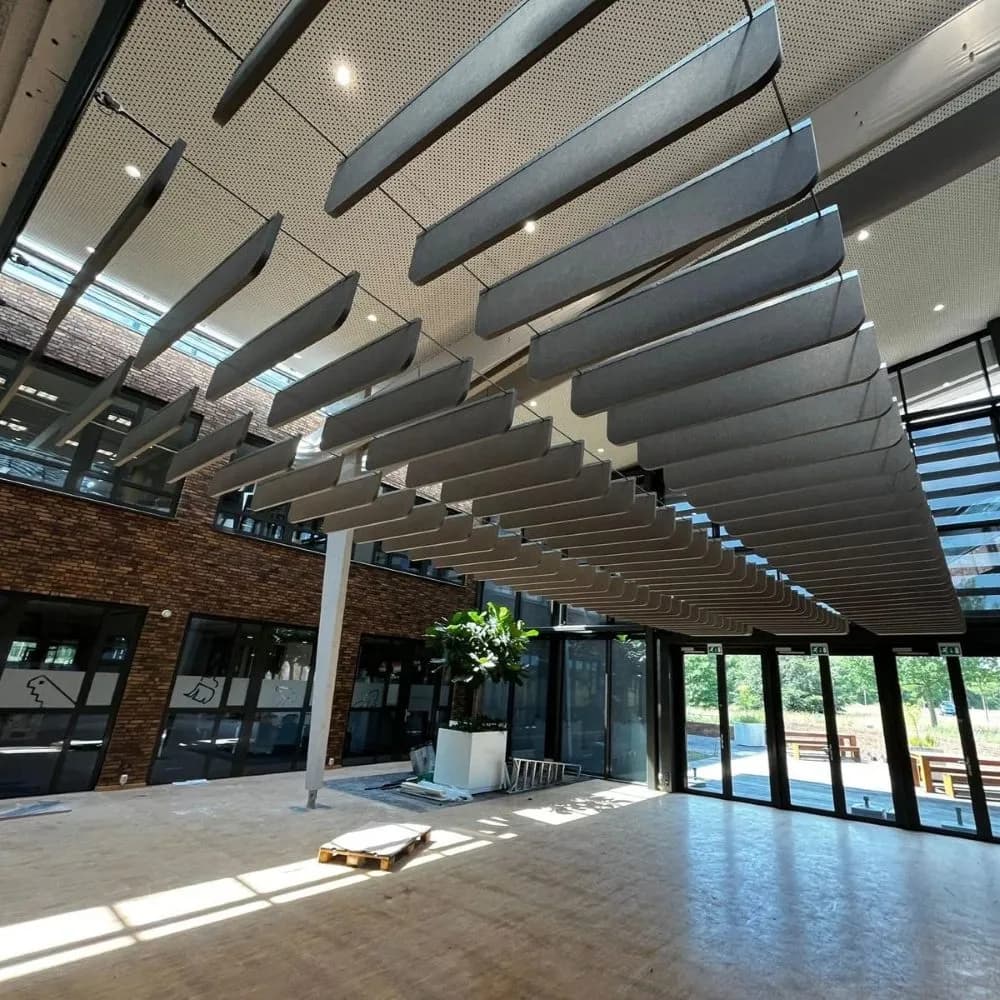
- Panels on the ceiling
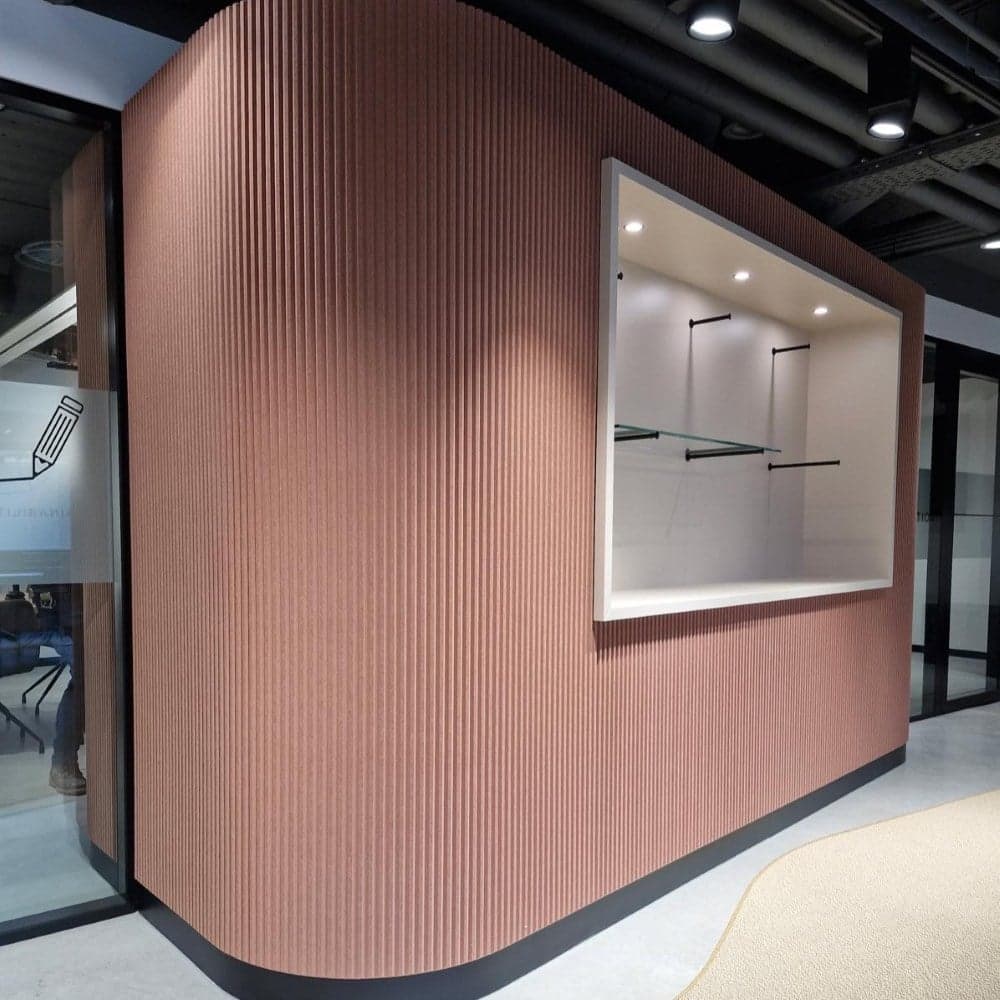
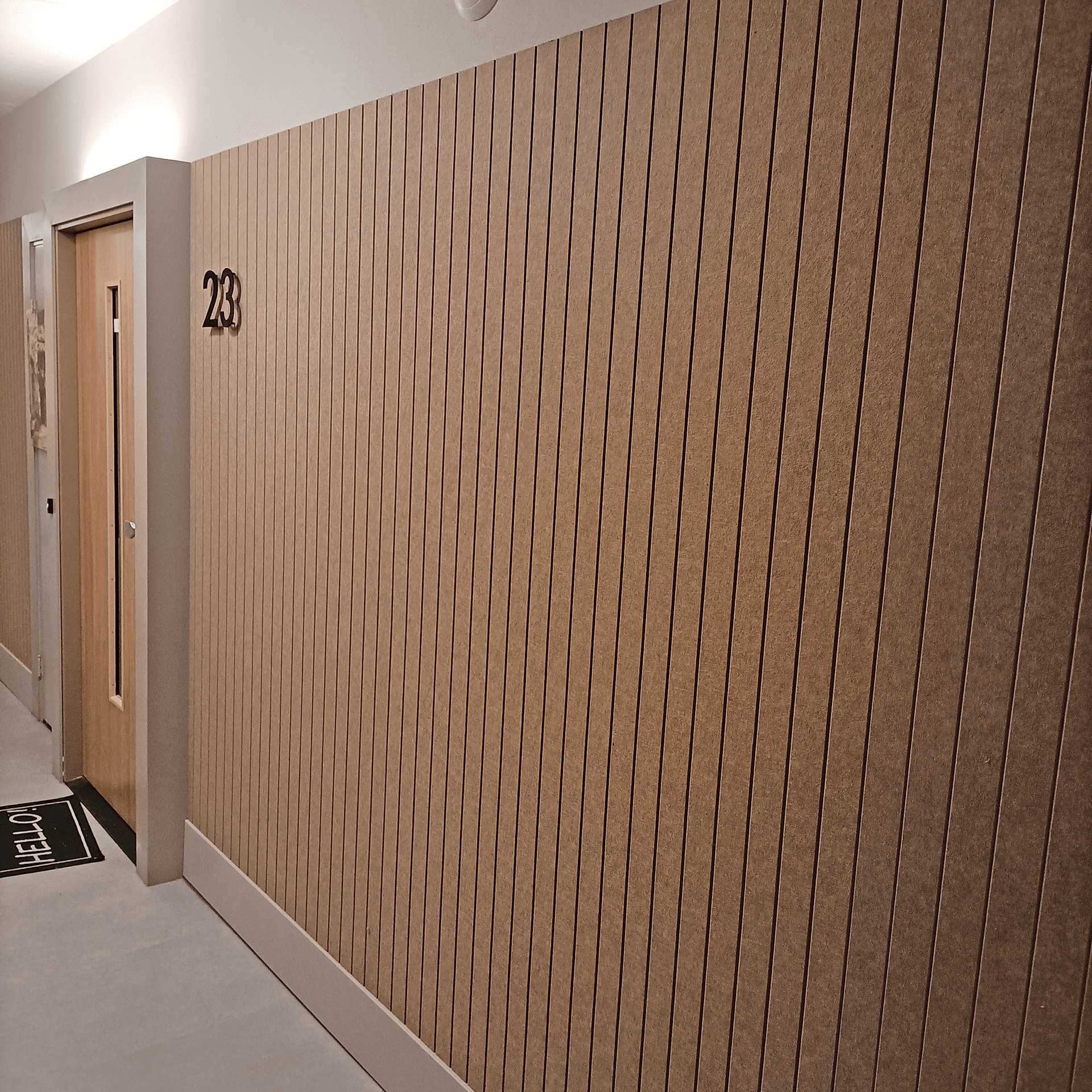
- Or complete walls lined with felt wallpaper
The result is always the same: more rest, more focus, more comfort.

PET Felt as a Connecting Element
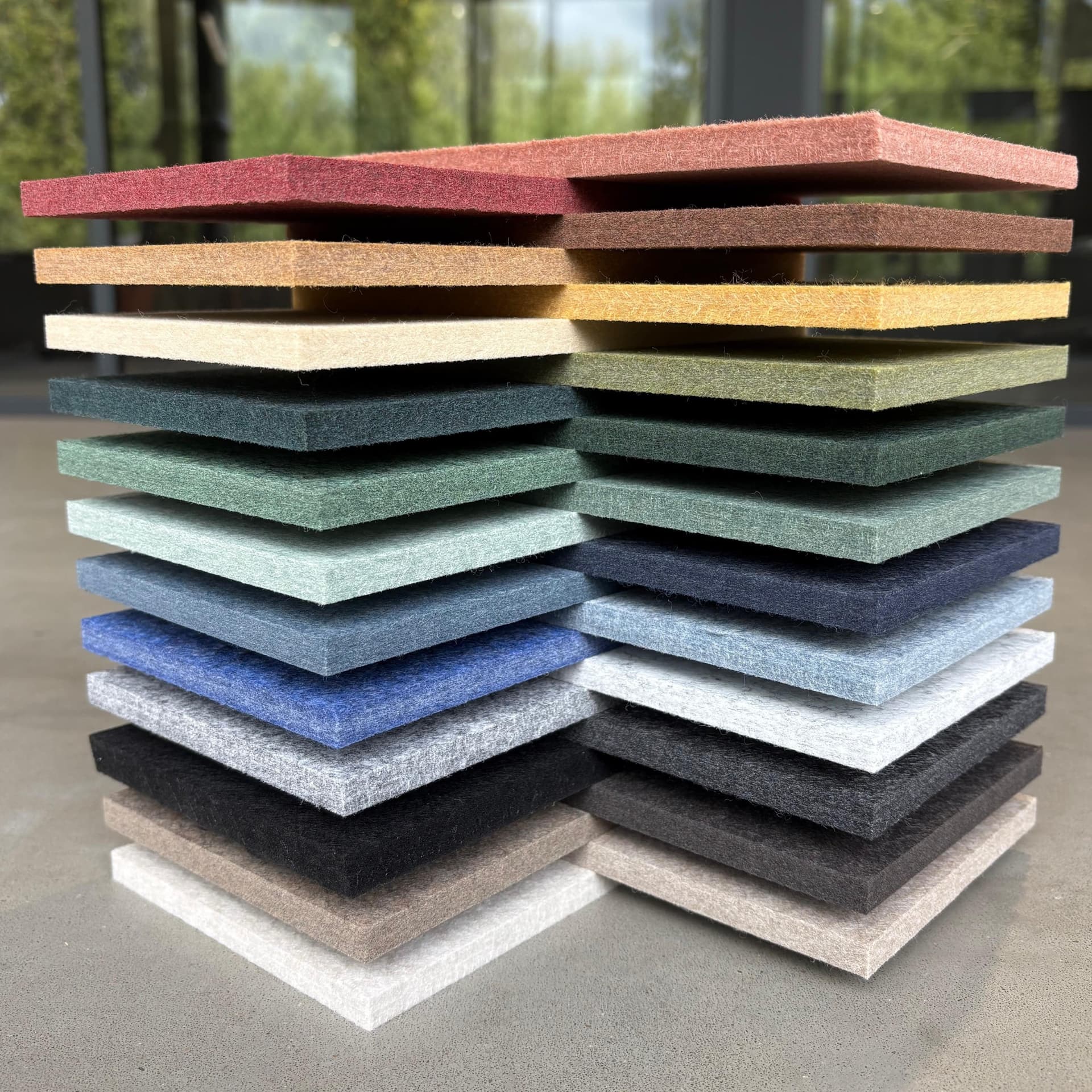
What makes PET felt especially interesting is that it is often used as a connecting element in a space. PET felt is made from recycled materials and is frequently chosen because of its sustainable appearance and versatility.
At least as important: the origin. Dutch felt plays a major role here. For many architects, this is even decisive. It not only builds confidence in the product but also reinforces the story behind the design.
Architects use it to connect different zones without creating congestion. Think of open workspaces, hospitality venues, or schools where multiple functions come together.
With self-adhesive wall coverings, you also work quickly and neatly. You can easily create large surfaces that bring tranquillity, or juist add accents that give character to the space.

One material, endless applications
A strong interior design is recognisable by its consistency. By repeating one material in multiple ways, a clear style emerges.
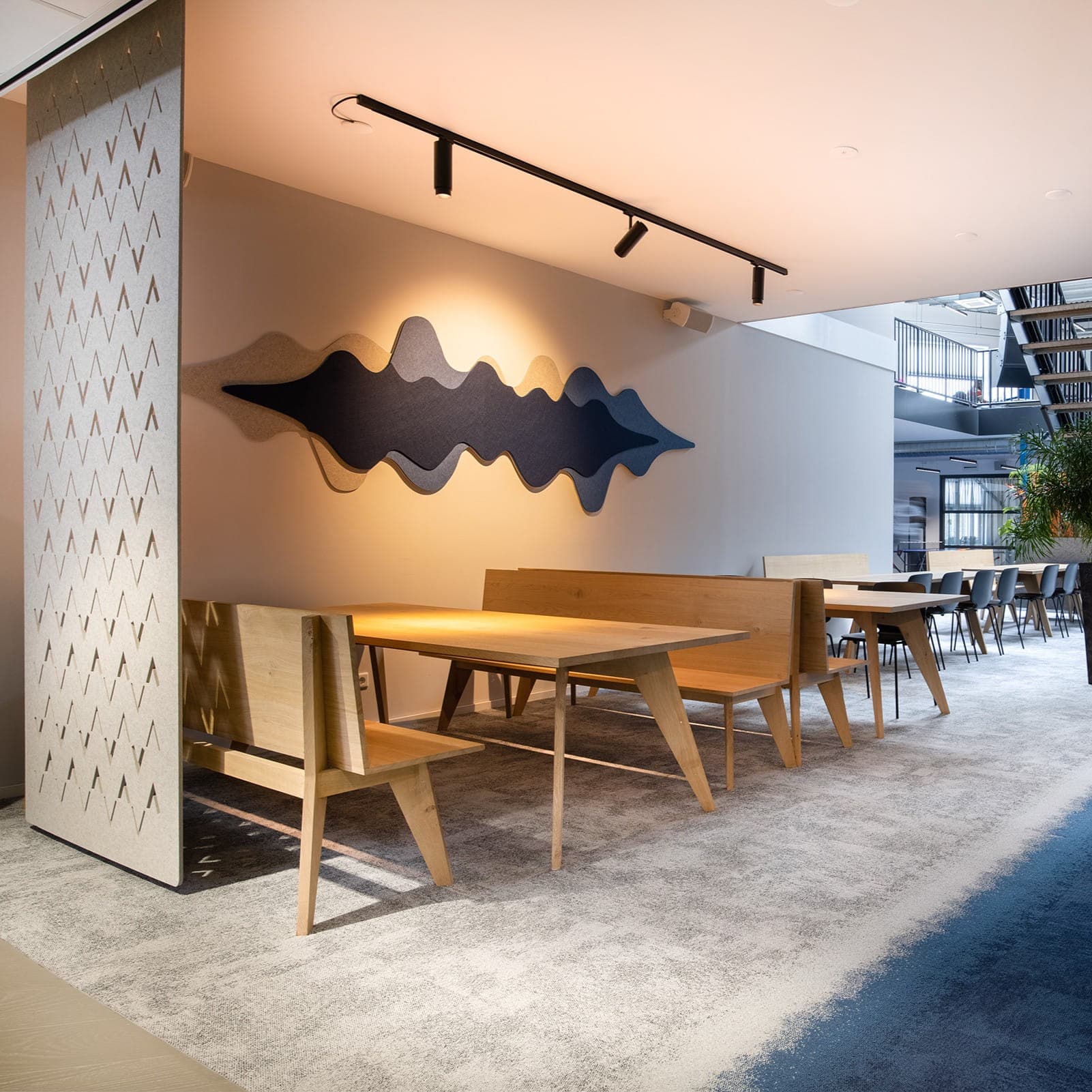
With felt wall panels, you can vary without losing that unity. Consider:
- A calm background with self-adhesive felt on the wall
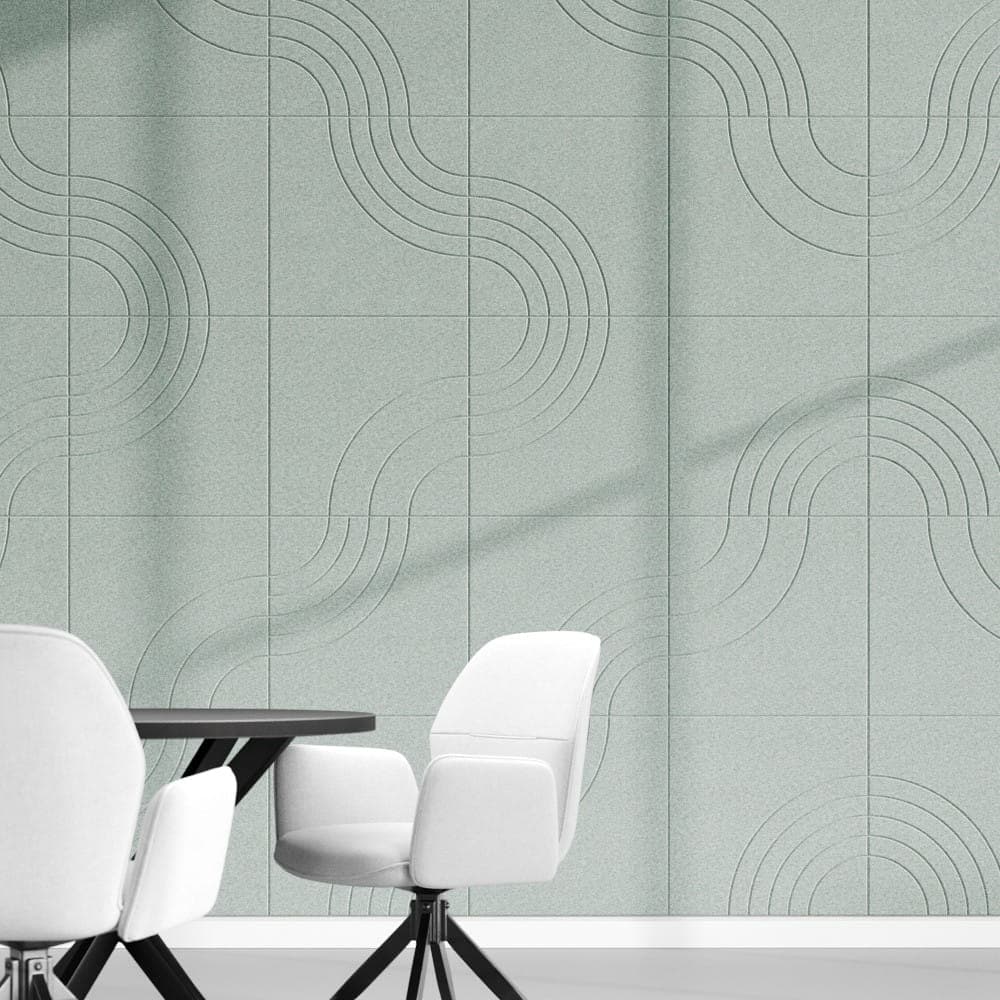
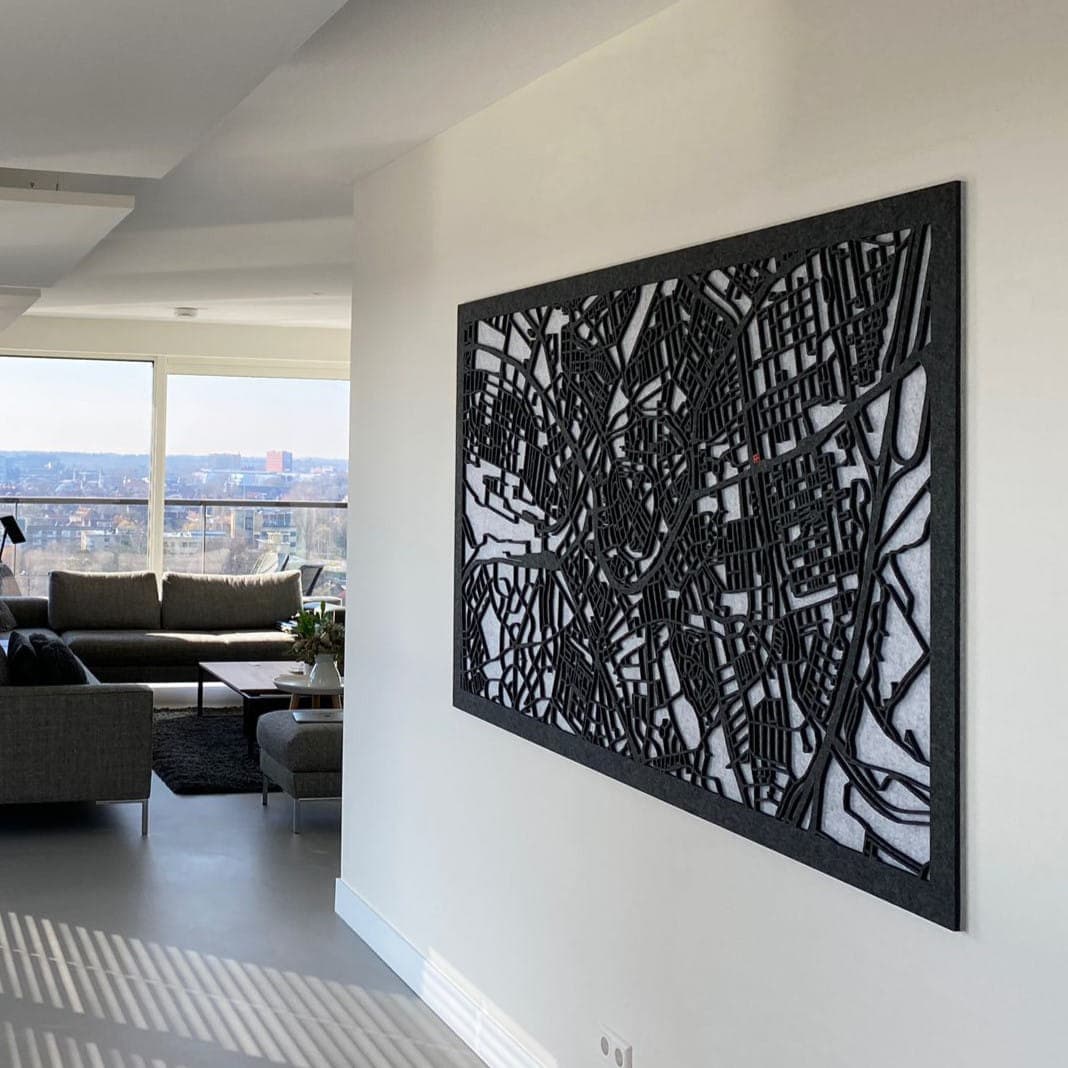
- A striking felt wall panel as a focal point
This is how you build up a space layer by layer that is accurate, visually and functionally.
The power of simplicity
Just because felt looks so pure, it enhances the other elements in your interior. It creates balance. Where hard materials sometimes dominate, felt brings softness. Where chaos arises, felt creates calm.
That makes it a smart choice if you want to establish a clear, timeless interior identity.

Choose consciously, feel the difference
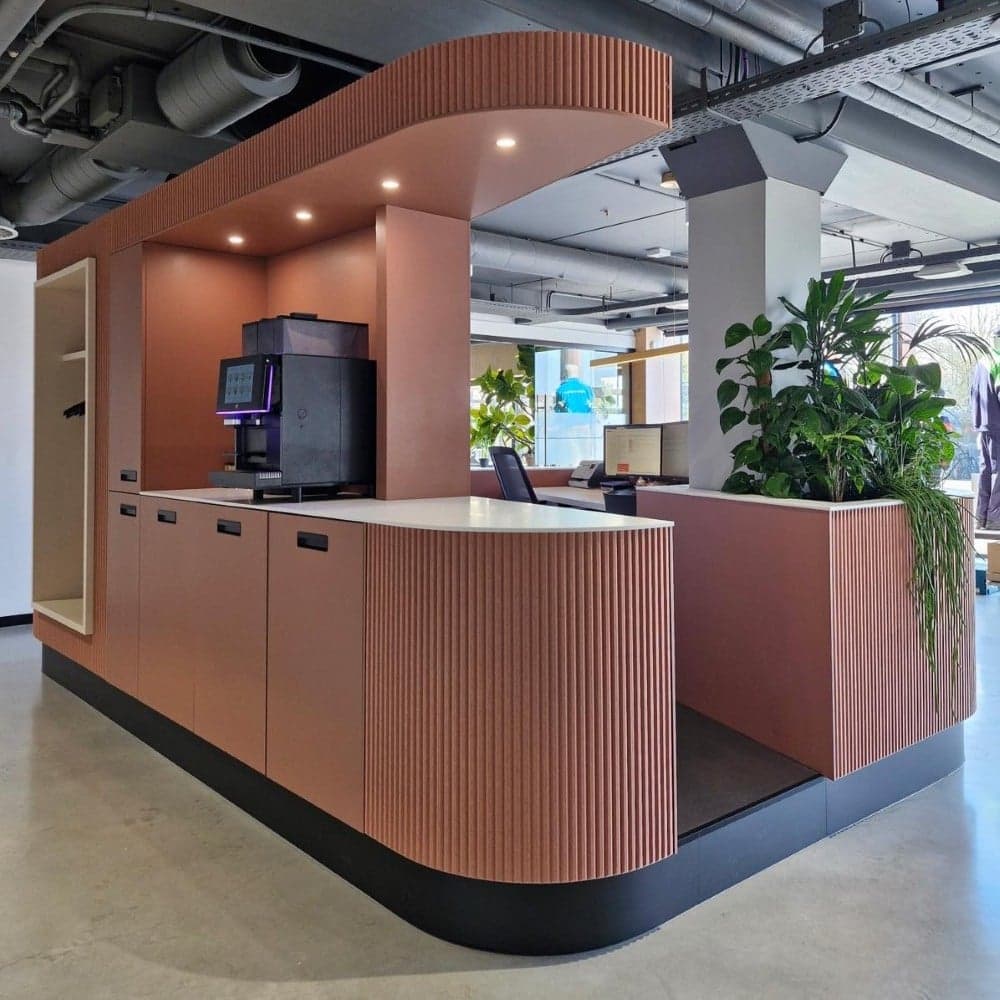
The materials you choose determine how a space feels, sounds, and is used. By deliberately choosing solutions such as felt wall panels, you not only add character to your interior but also comfort.
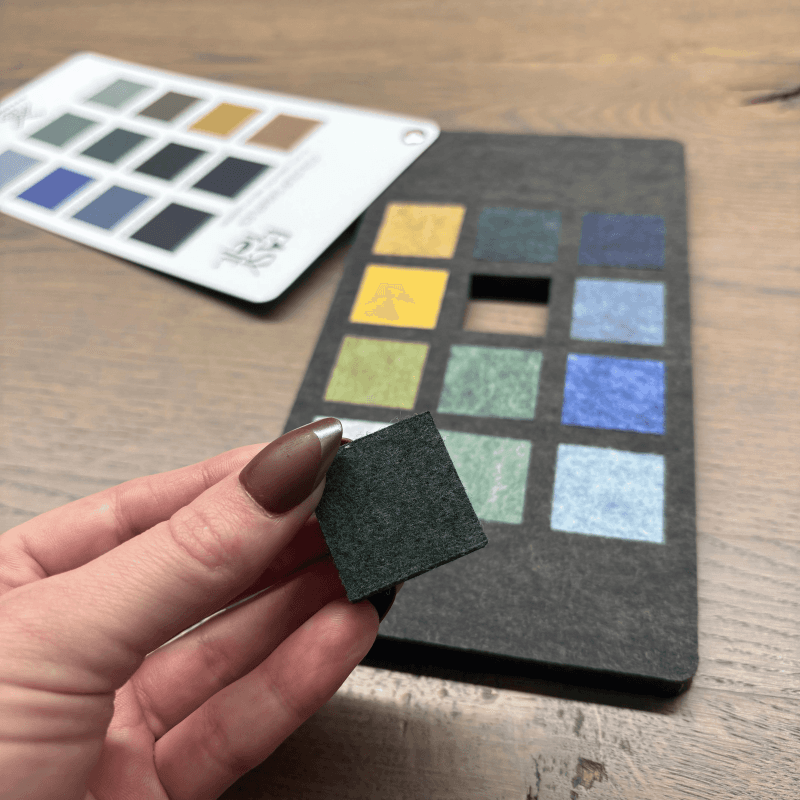
Would you like to get started yourself? Then it's good to know that you can easily buy felt that perfectly matches your style and application. Whether you opt for bold surfaces or subtle details, with felt you turn every space into a place that feels right.