









Texture as a design tool: what a wall surface does to the experience of a space
Color often attracts attention first, but it is texture that truly makes a space feel tangible. Especially on large wall surfaces, texture adds more depth, softness, and tranquility. From light effects to acoustics: the right wall finish not only enhances the atmosphere but also how a space is experienced. Read more here.
Yentl
2 June 2026
Why texture makes such a big impact in an interior
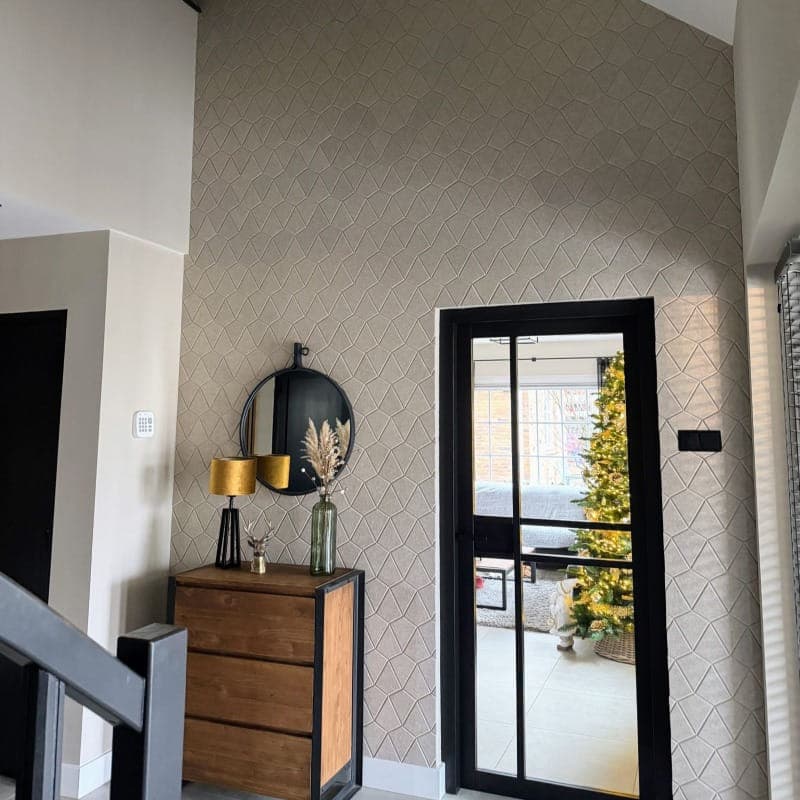
In many interior projects, colour naturally receives a lot of attention. Yet it is often texture that determines how a space is truly experienced. A wall surface with depth, relief or tactility interacts with light, with scale and with the way an interior resonates with the user. Texture makes a space less flat, less abstract, and often more human.
This is especially true for larger wall surfaces. Where a floor or piece of furniture is usually perceived as part of a total image, the wall often has a more direct influence on the atmosphere and spatial experience. It forms the background of movement, sightlines, and use. Exactly for this reason, the materialisation of the wall can have more impact than is immediately visible at first glance.


More layering in modern interiors
Within modern interiors, this is an interesting development. Many projects work with clean lines, large surfaces, and a calm material palette. This provides clarity but can also create distance. Texture then brings nuance. Not by adding busyness, but by subtly giving the space more layers.
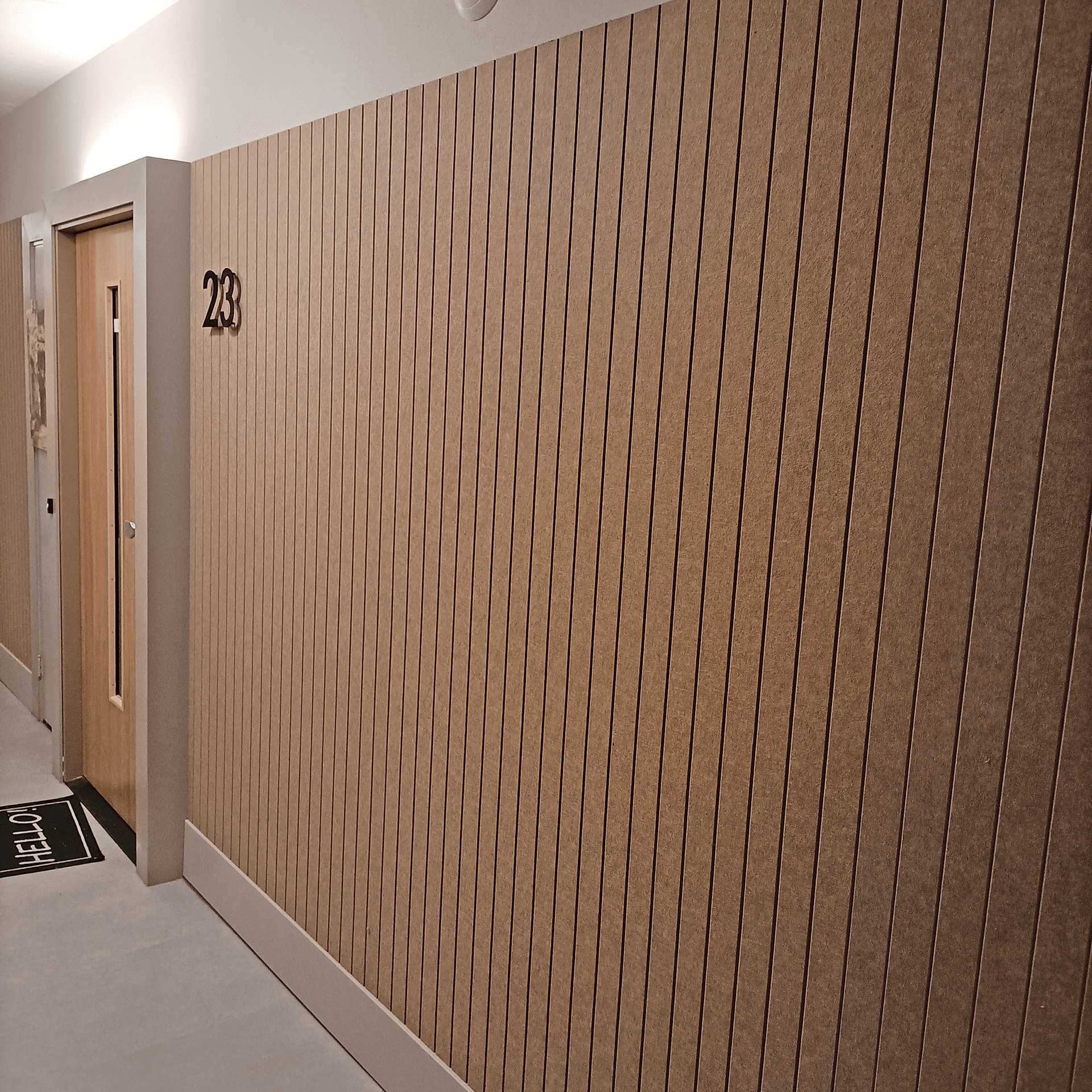
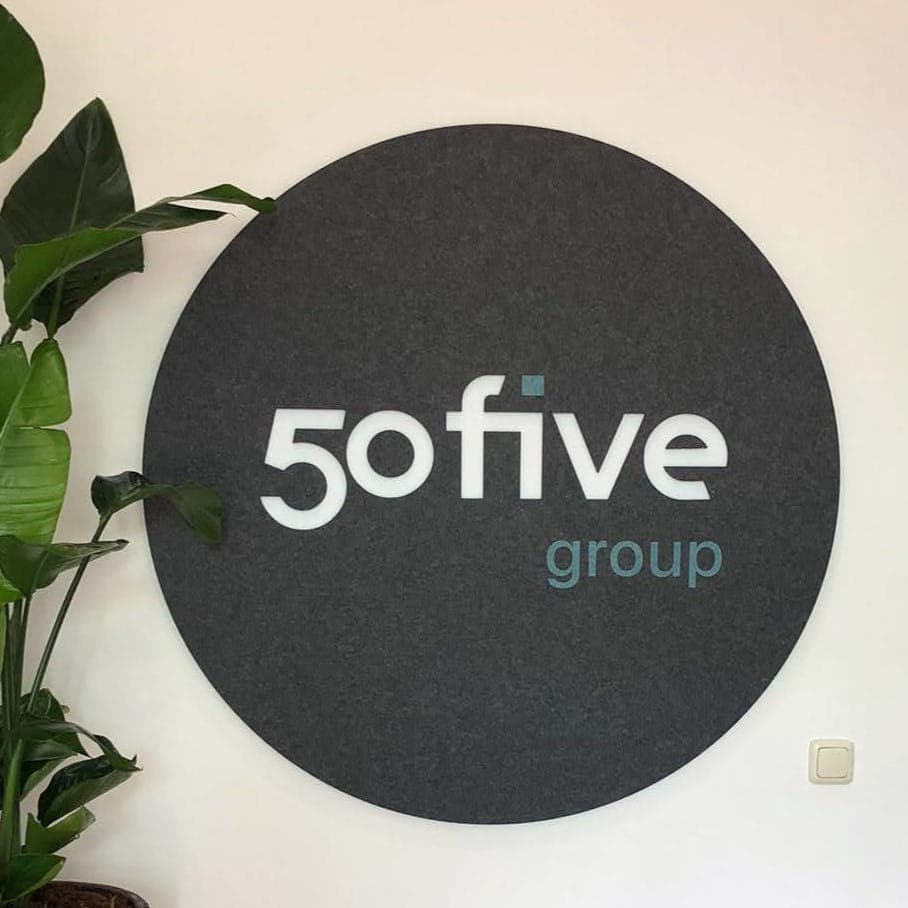
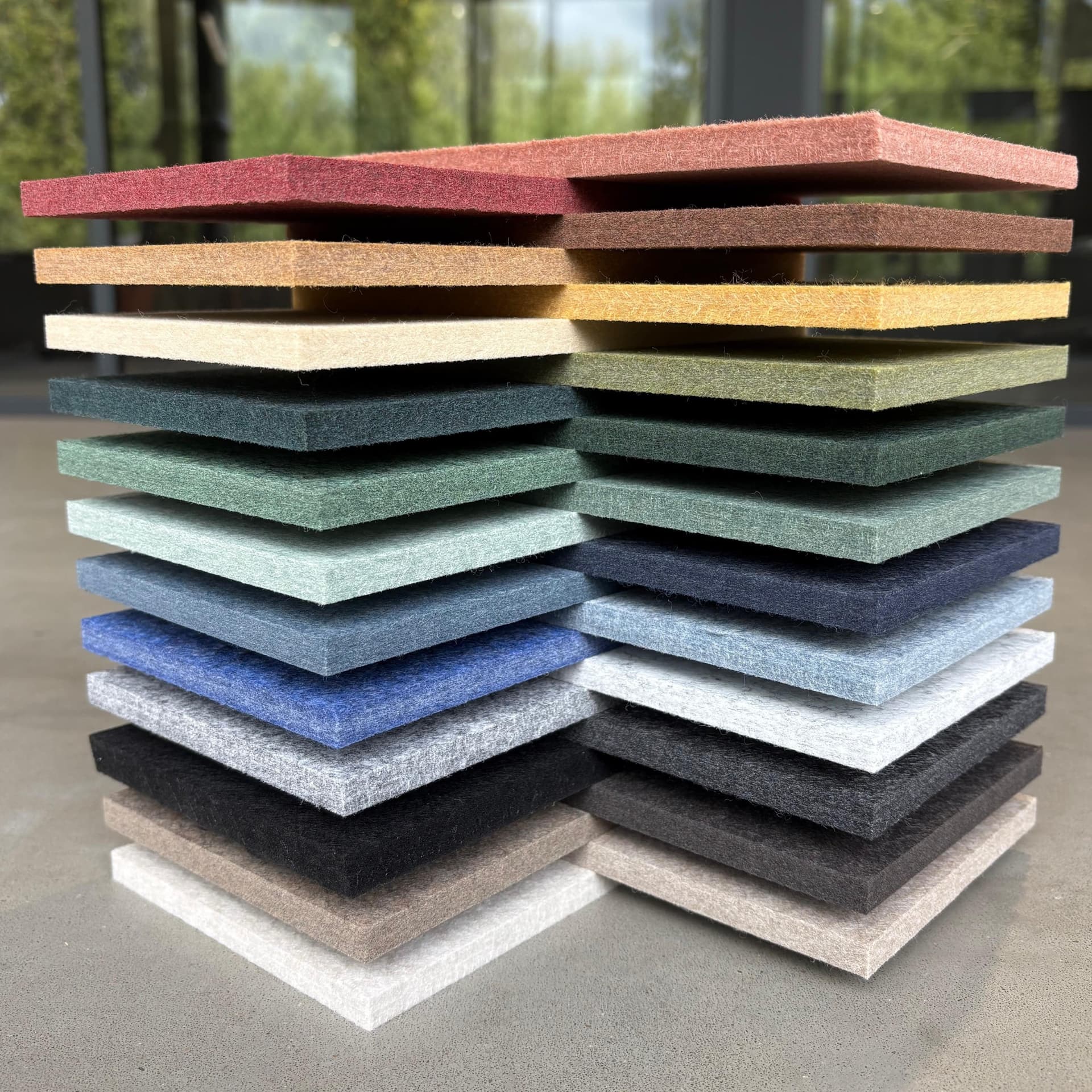
A material such as PET felt is relevant in that context because it adds softness and depth without appearing visually heavy. The matte finish, the possibility of embossing, and the acoustic properties make it suitable for wall applications where atmosphere and comfort come together. Felt is a decorative and acoustic solution for walls and ceilings, with a wide range of colors and design freedom in shape and application.


Texture and acoustics in one solution
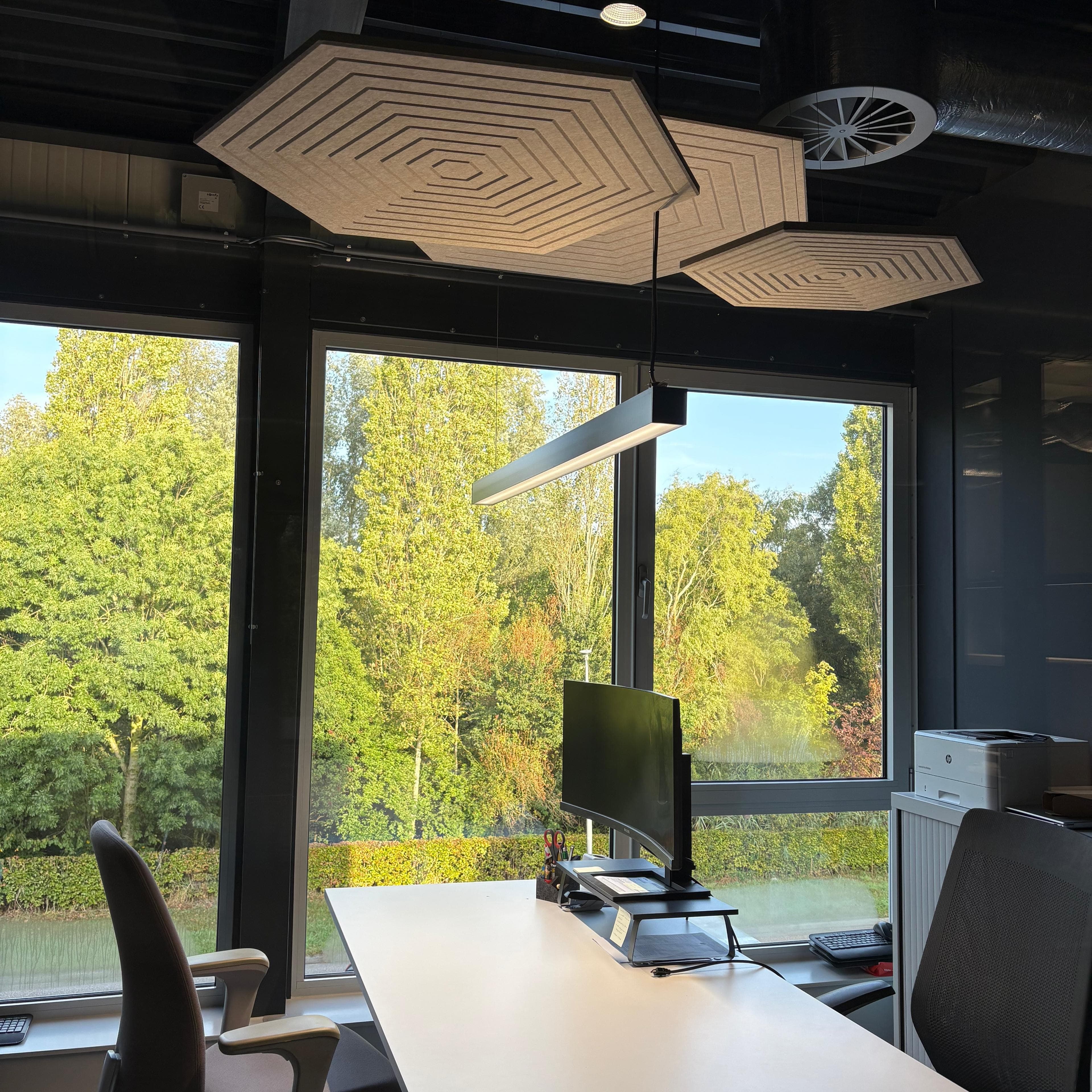
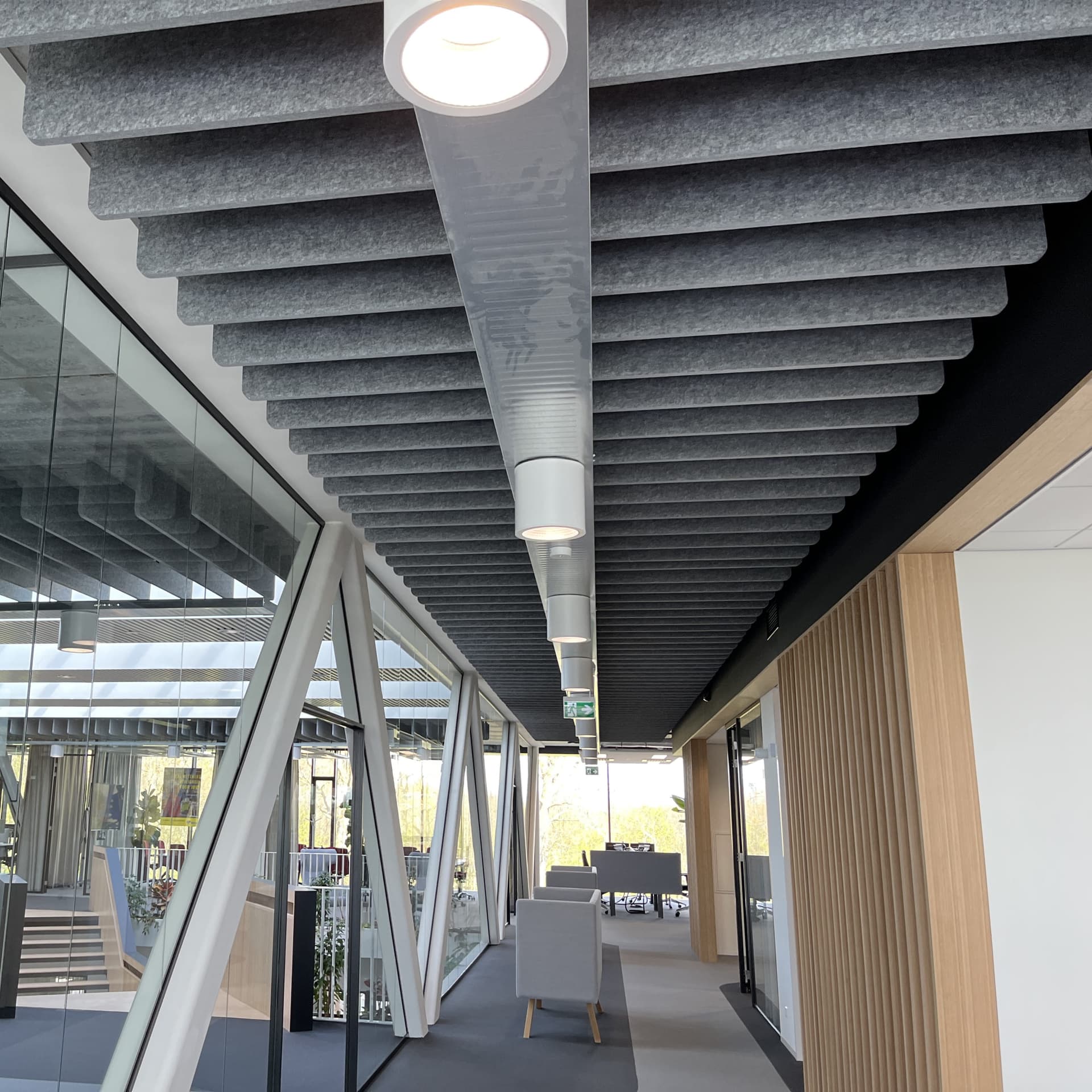
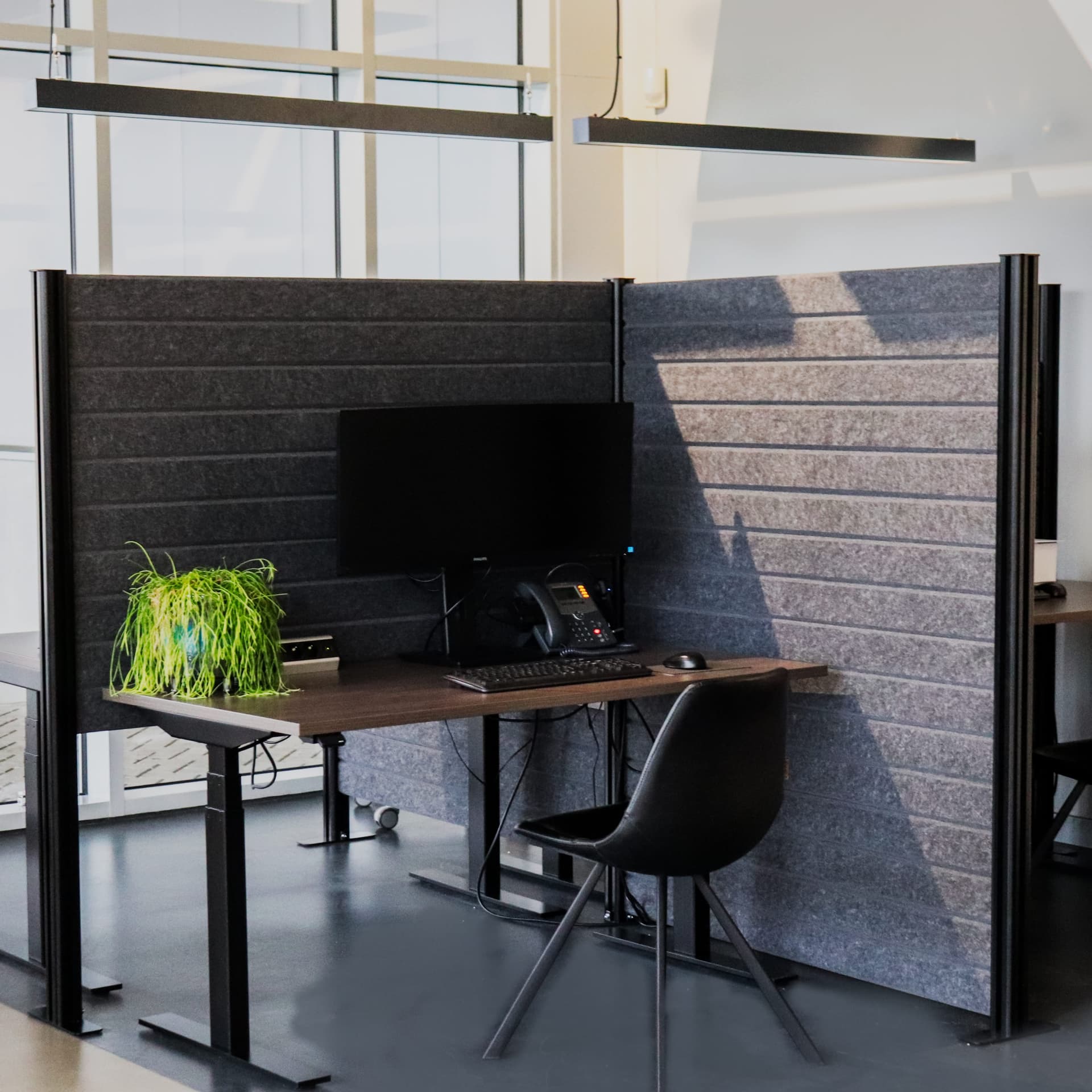
What makes texture so special is that it doesn't just have a visual effect. It also influences how a space sounds. Hard, smooth walls reflect sound; softer and more open structures do so less. With acoustic felt, these two layers come together: the wall gains more depth visually and at the same time helps to reduce echo and reflections. PET felt indeed has sound-absorbing properties.
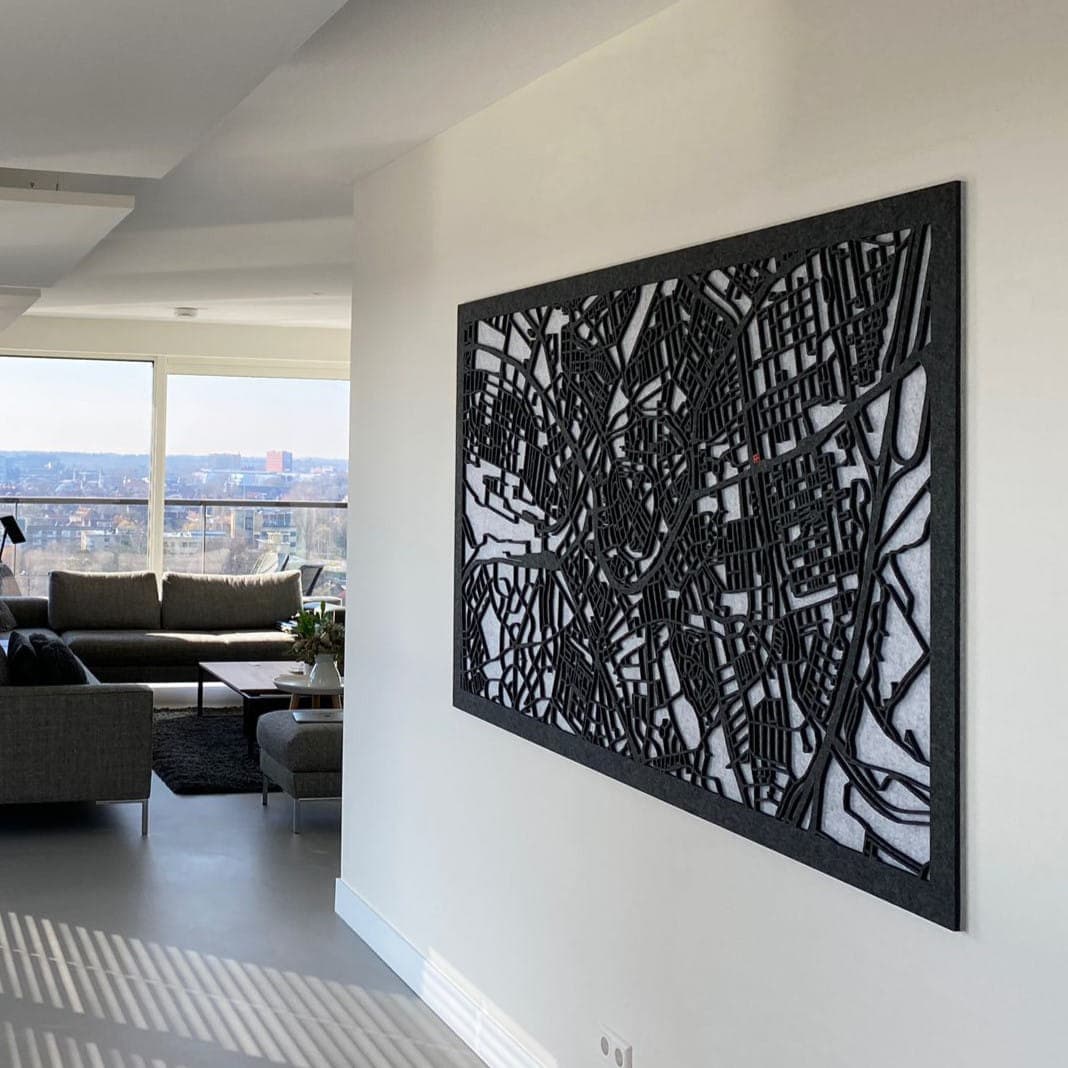
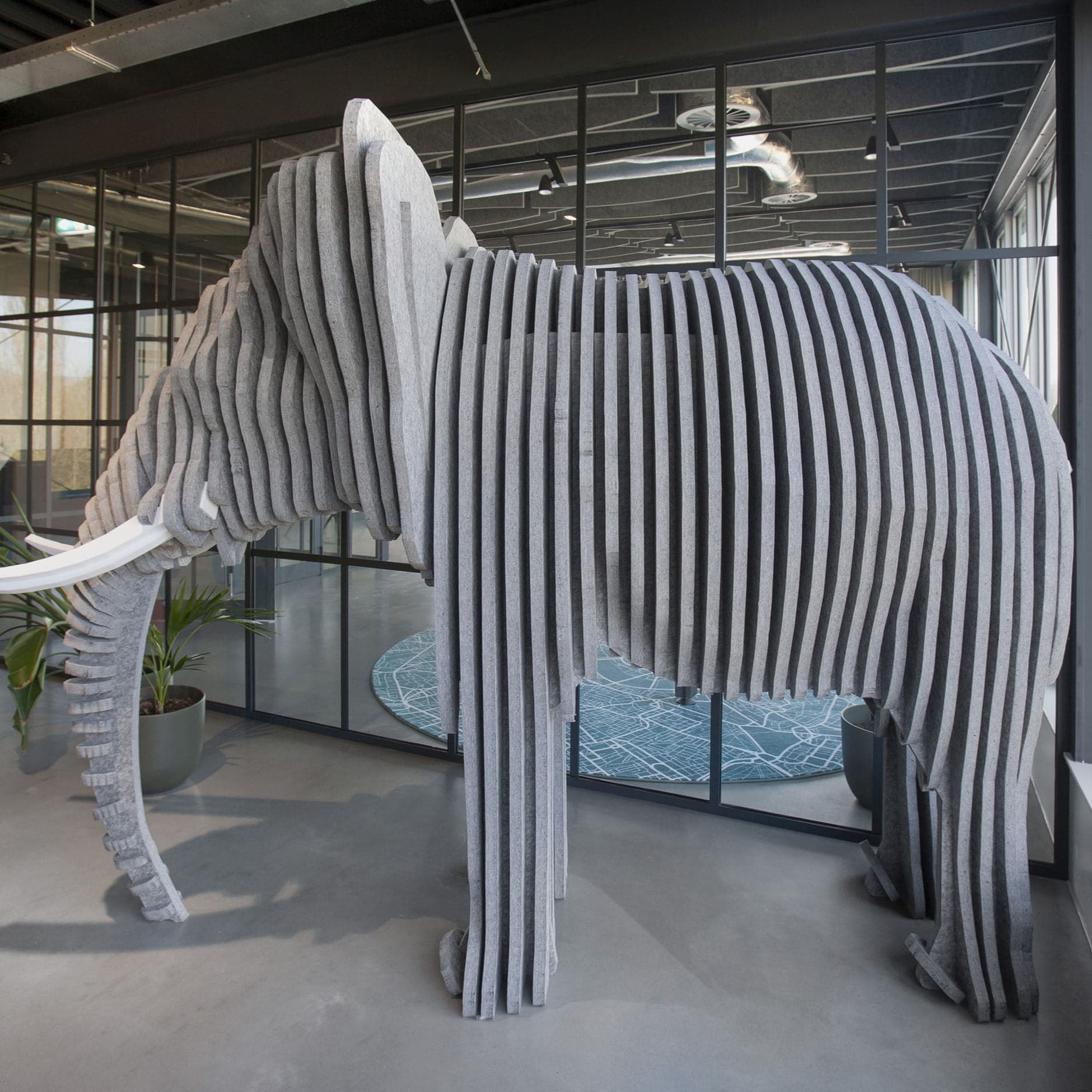
For architects and interior designers, texture is more than just decoration. It becomes a way to refine a space, soften it, and better tailor it to its use. A felt wall panel can, for example, bring calm to a minimalist office, add warmth to a hospitality environment, or create a rhythmic accent within a graphic concept.


The influence of texture on light and dynamics
Additionally, texture affects light. Relief and material structure create shadow effects, making a wall look different throughout the day. This adds liveliness to an interior without the design needing to be mobile or chaotic. Especially in spaces where subtlety and layering are important, this is a strong feature.
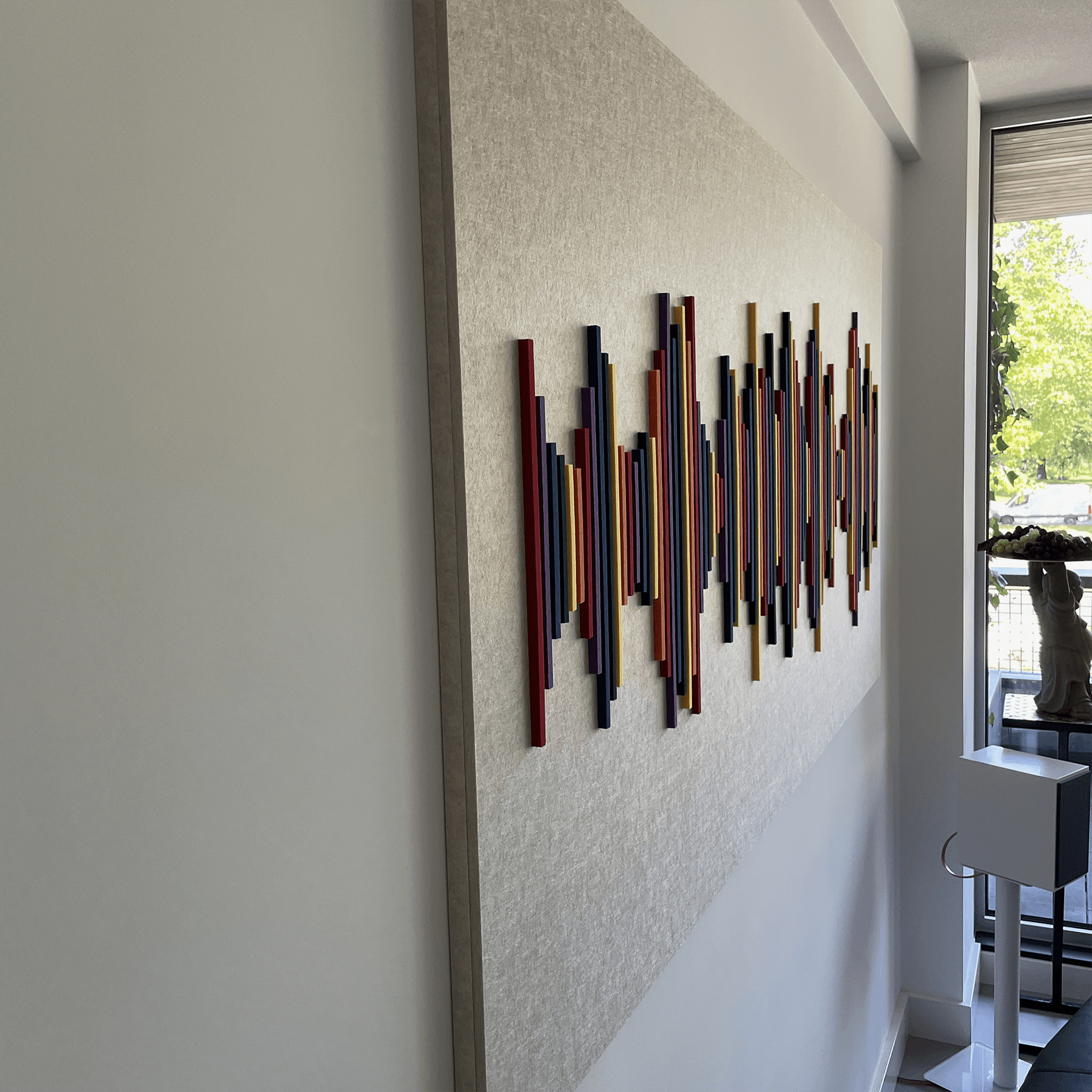

Wall texture as a carrier of atmosphere and quality
Texture is thus not an extra layer alongside the design, but one of the means through which the design gains meaning. Those who intentionally use this layer do more with a wall surface than just finishing. It then becomes a carrier of atmosphere, acoustics, and spatial quality all at once.
Would you like some more information? Feel free to contact us!