










The role of acoustic materials in high-end interior design concepts
In high-end interiors, quality rarely revolves solely around the visible image. Naturally, materialization, detailing, and composition play a significant role, but true refinement often lies in how a space feels. How calming does it sound? How pleasant is it to stay there? How do light, texture, and acoustics come together into a convincing experience?
Yentl
26 May 2026
From Technical Solution to Holistic Design
It is precisely in this tension that acoustic materials gain a more interesting position. They are no longer solely used as a correction for a problem, but increasingly as an integral part of the design. This shifts their role from a technical aid to a fully-fledged architectural material.
Balance between style and comfort
In high-quality concepts, that development is logical. The more refined an interior is developed, the greater the importance of balance. A space with natural stone, glass, steel or sleek plasterwork can be visually impressive, but at the same time feel acoustically harsh. This creates a need for a counterpart: a material that adds softness, depth and calm without compromising appearance.
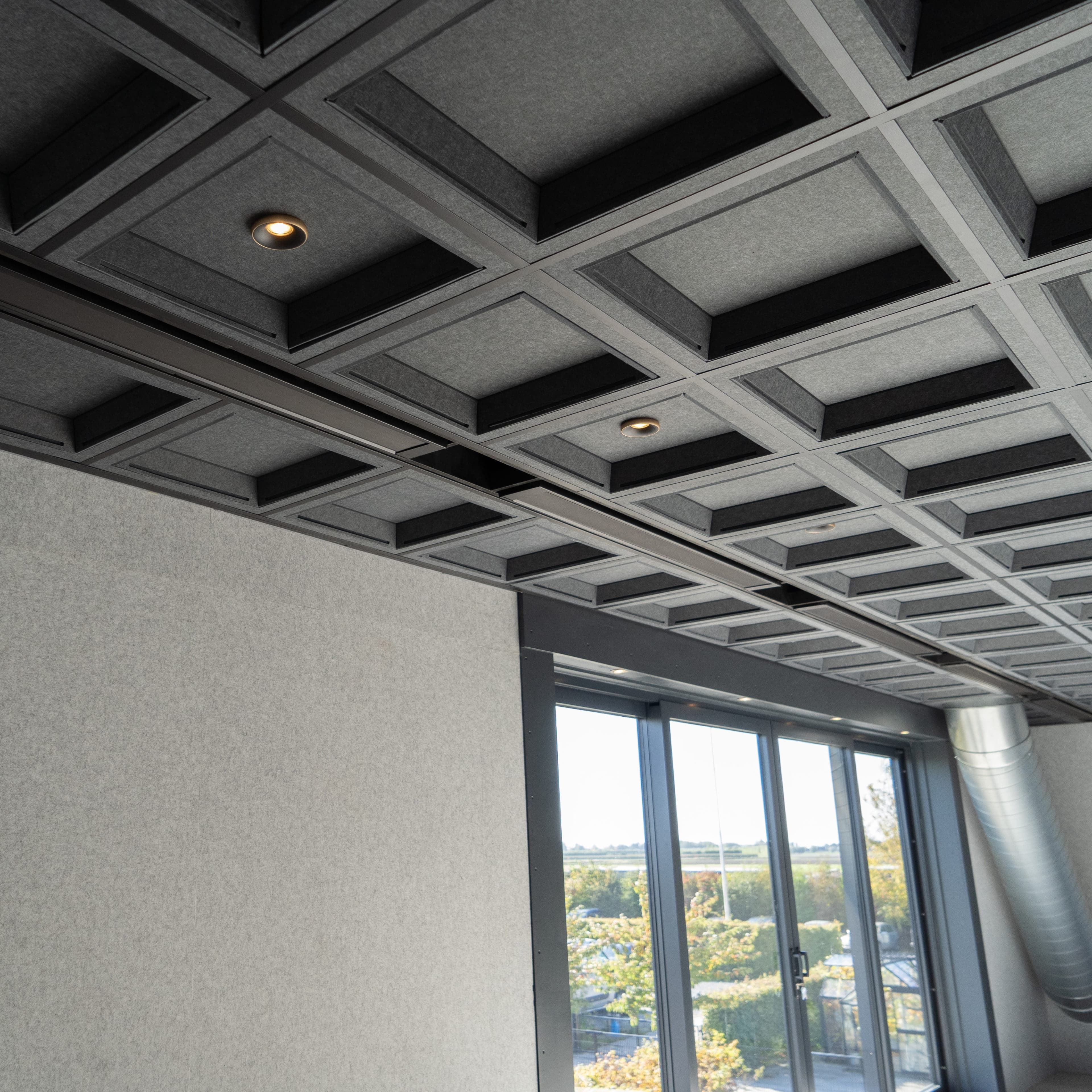
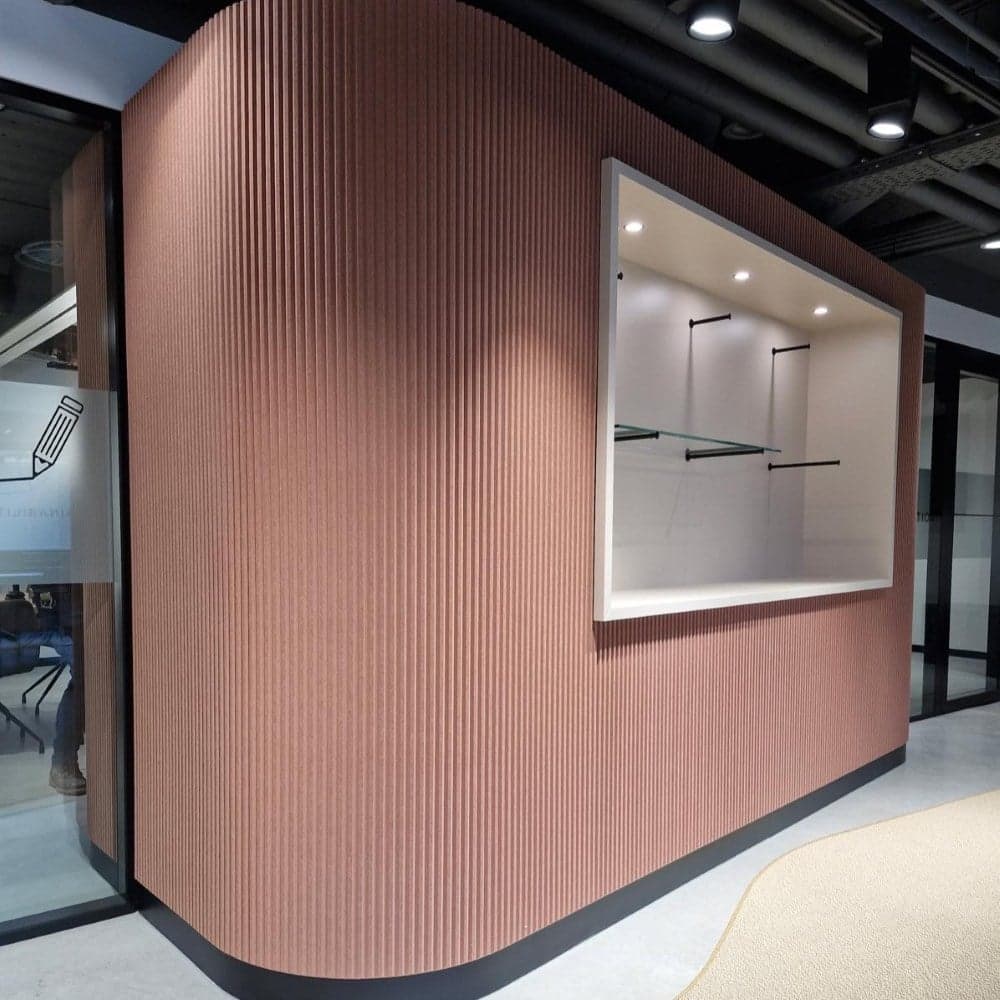
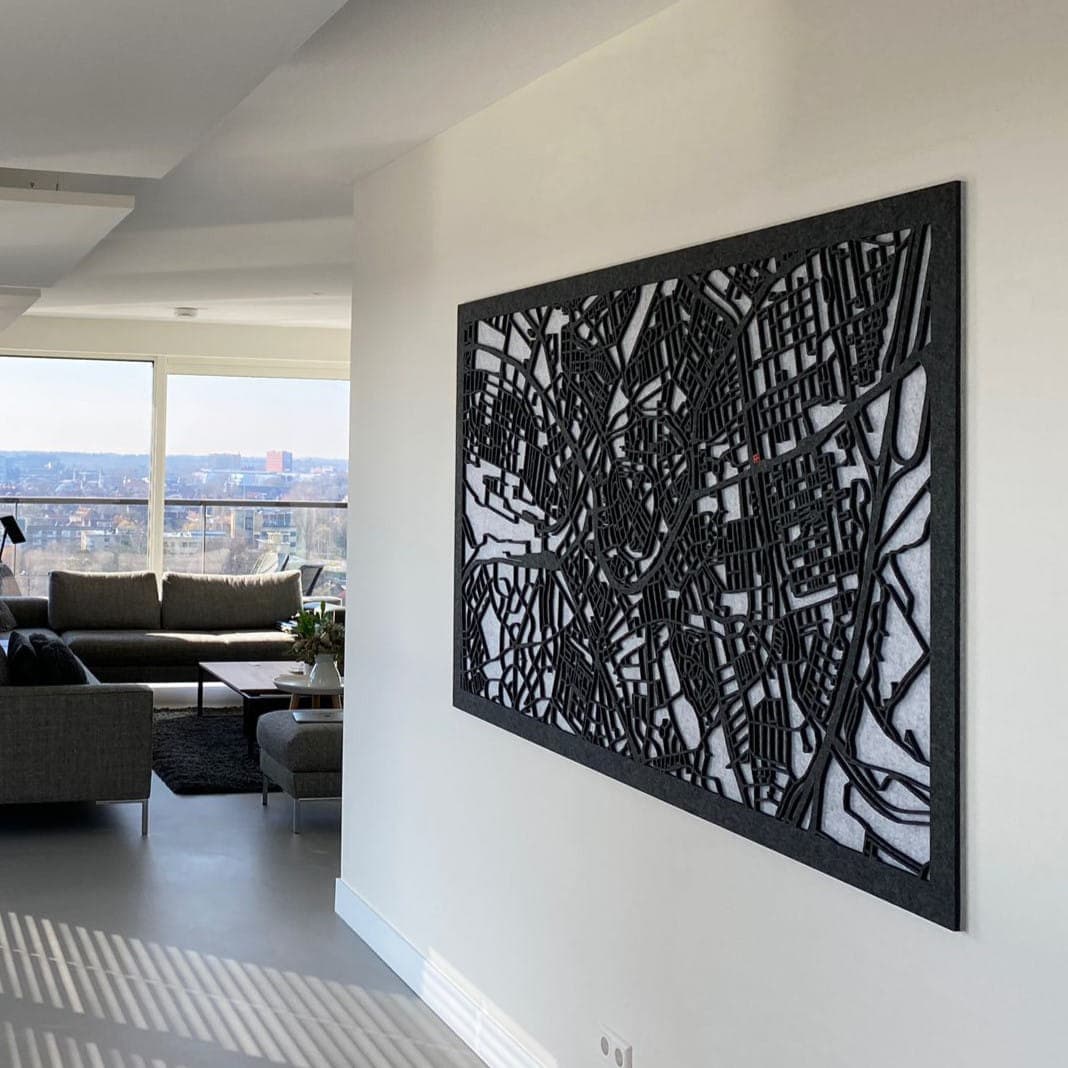
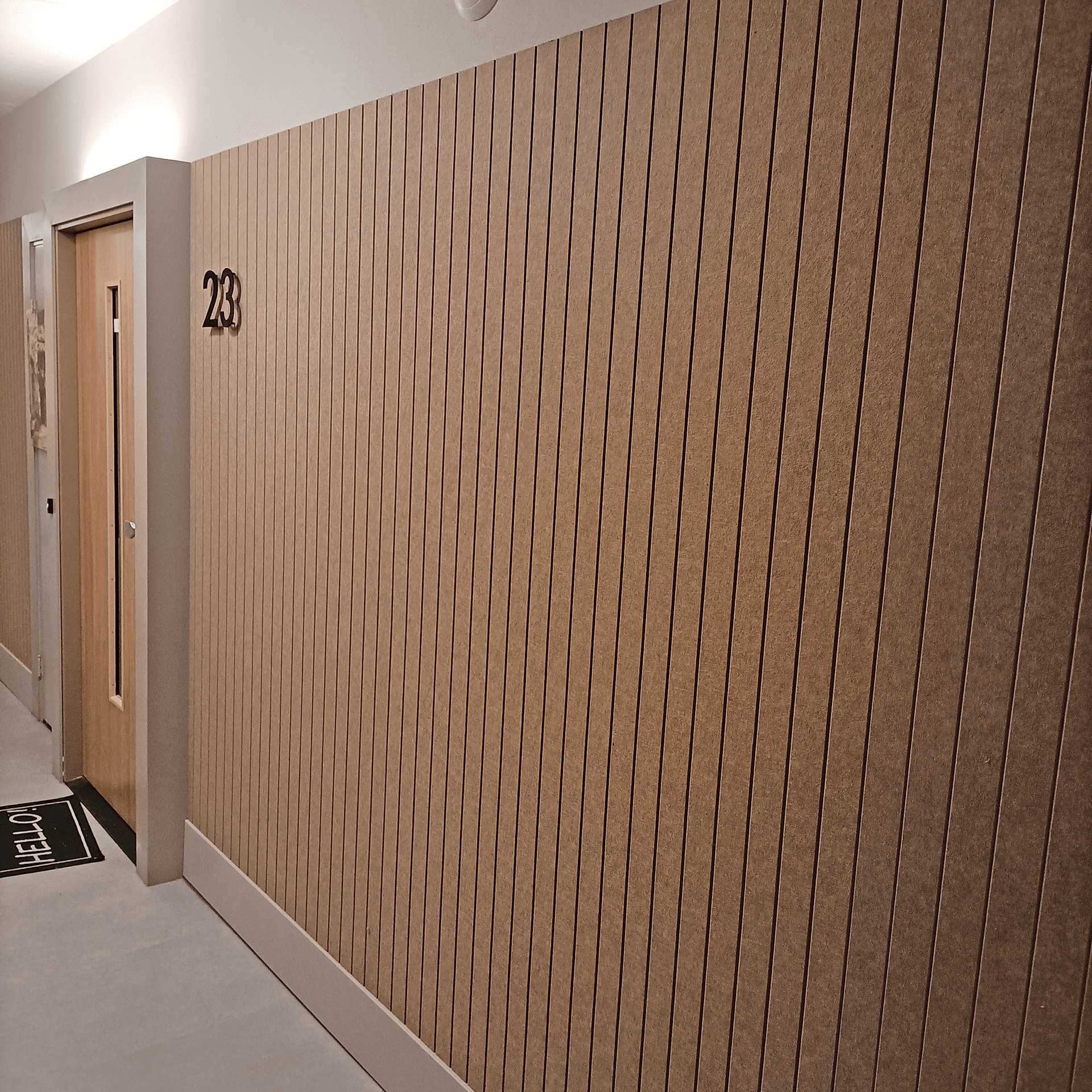
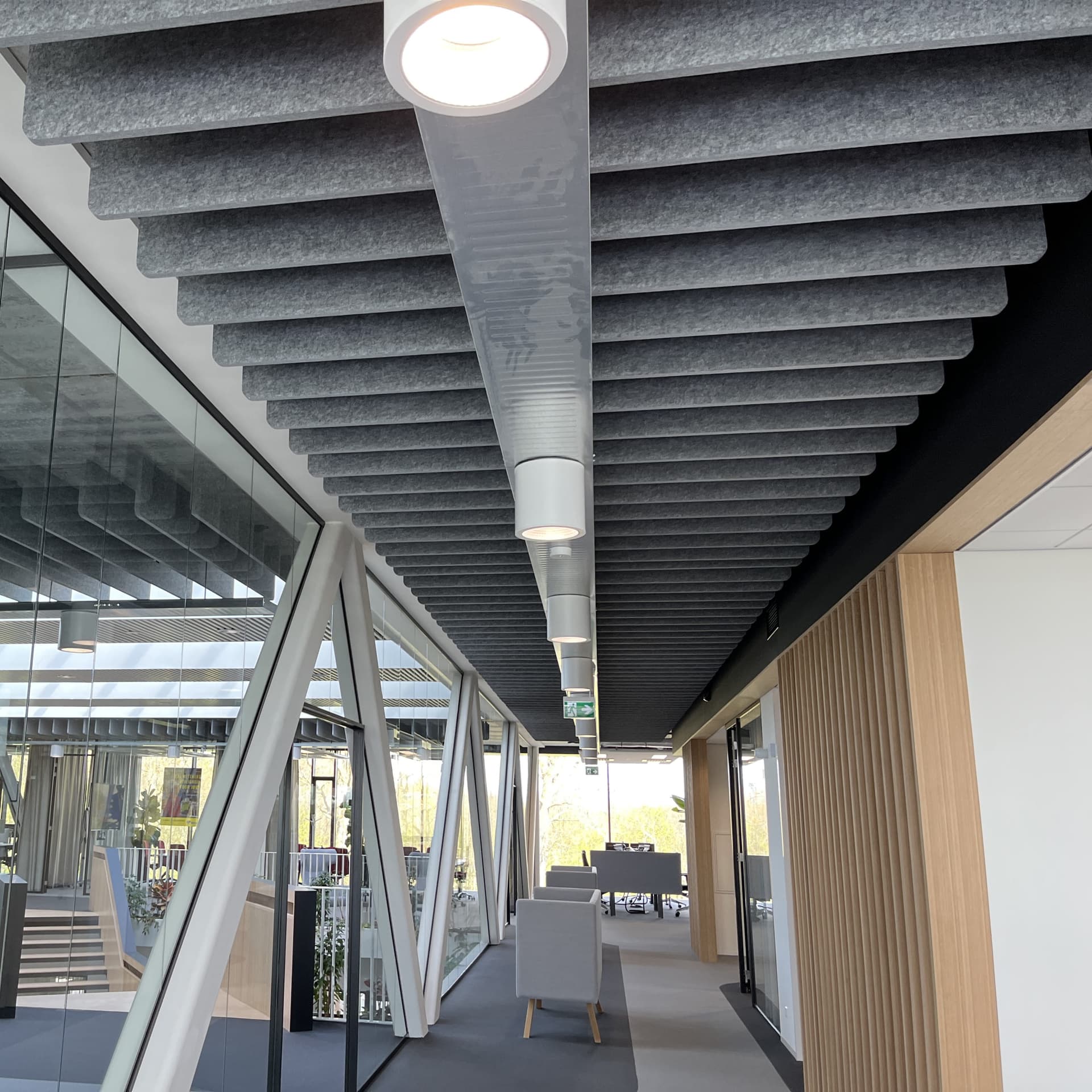
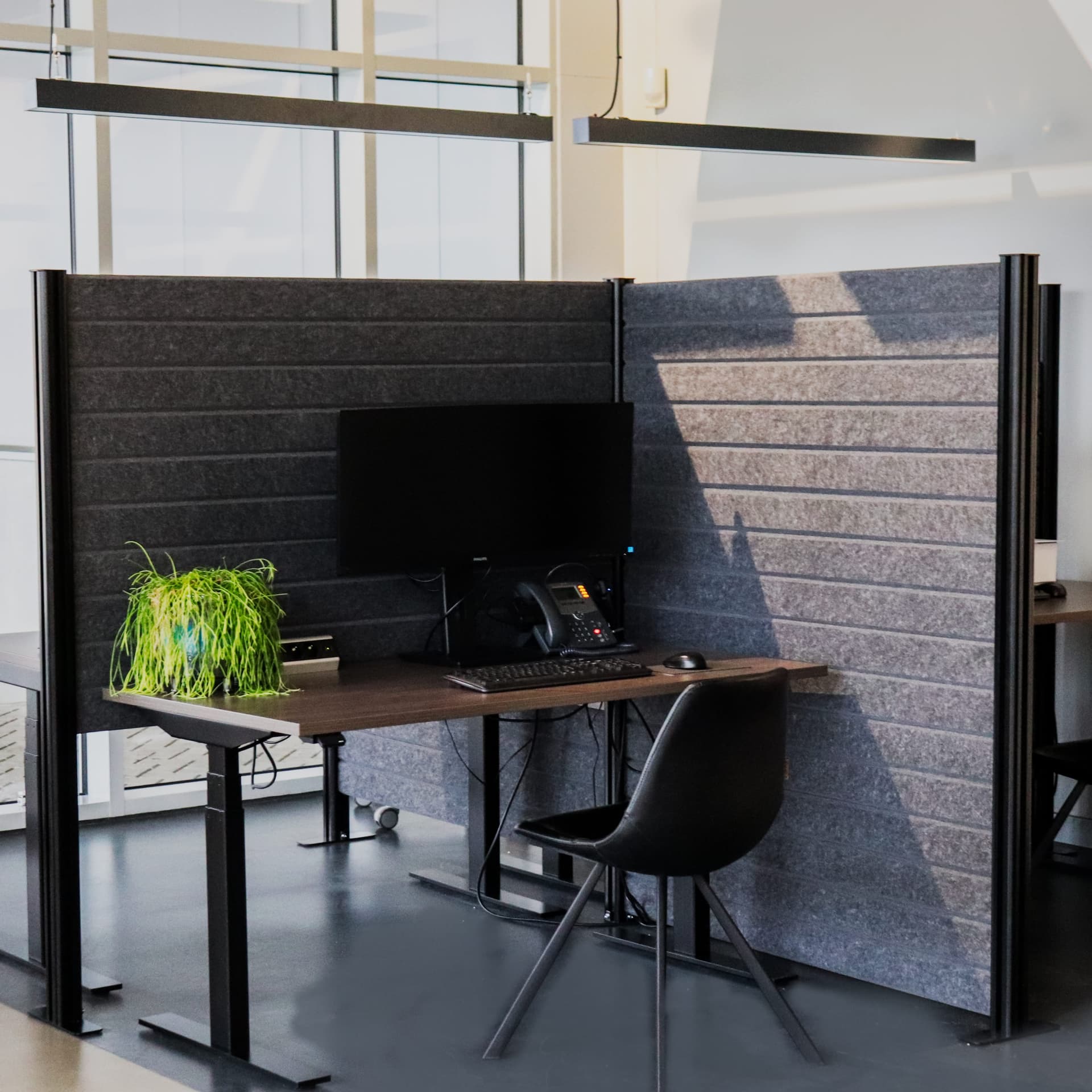
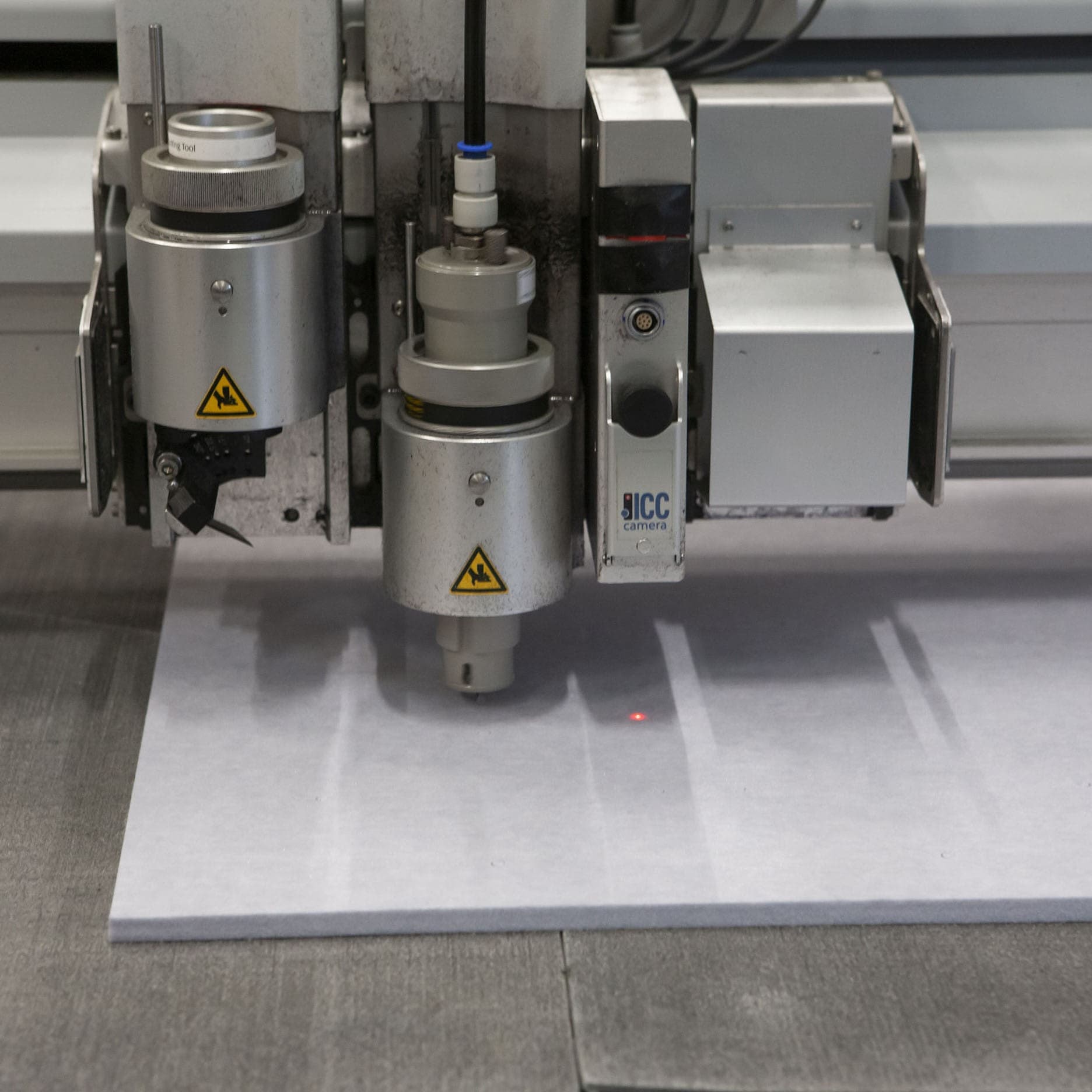
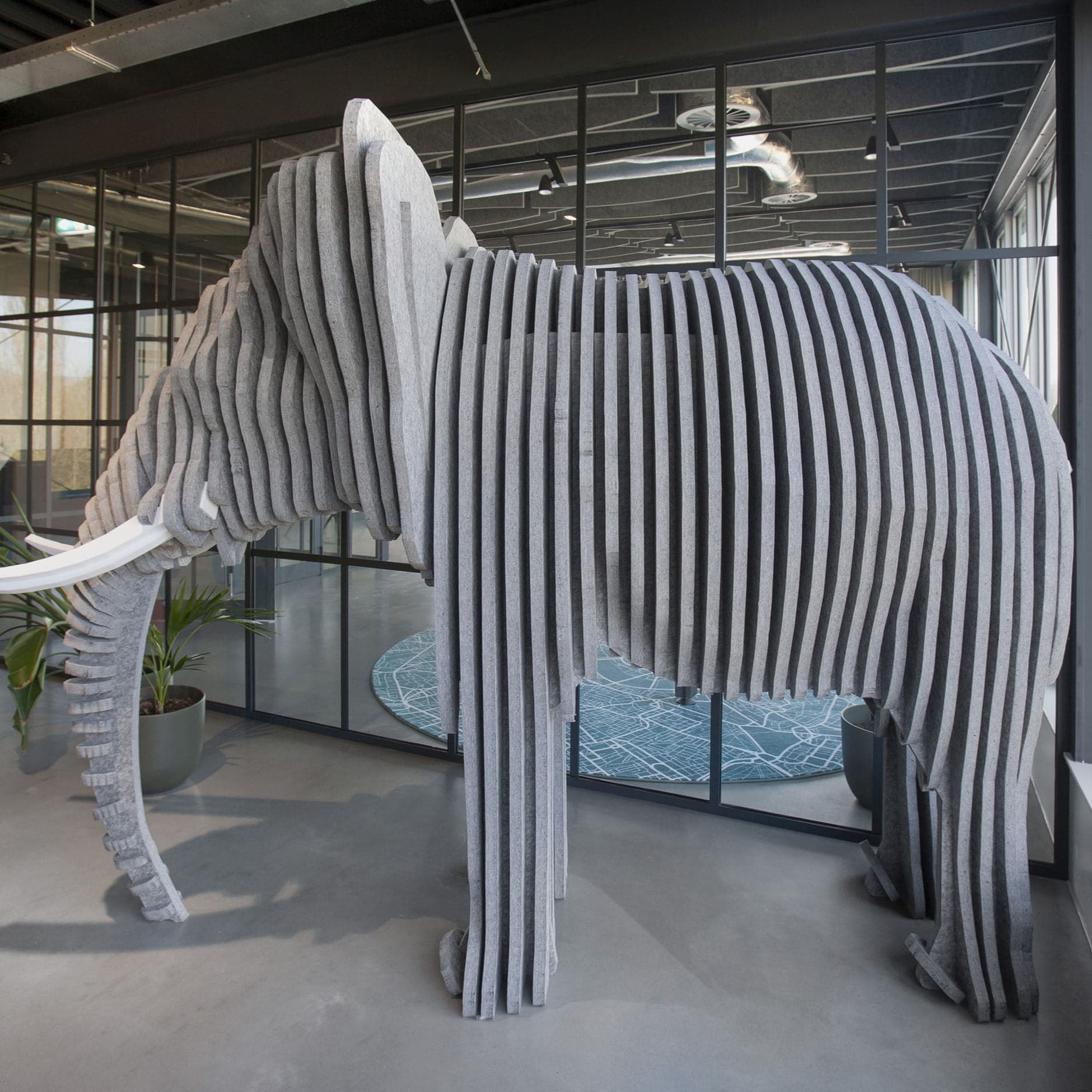
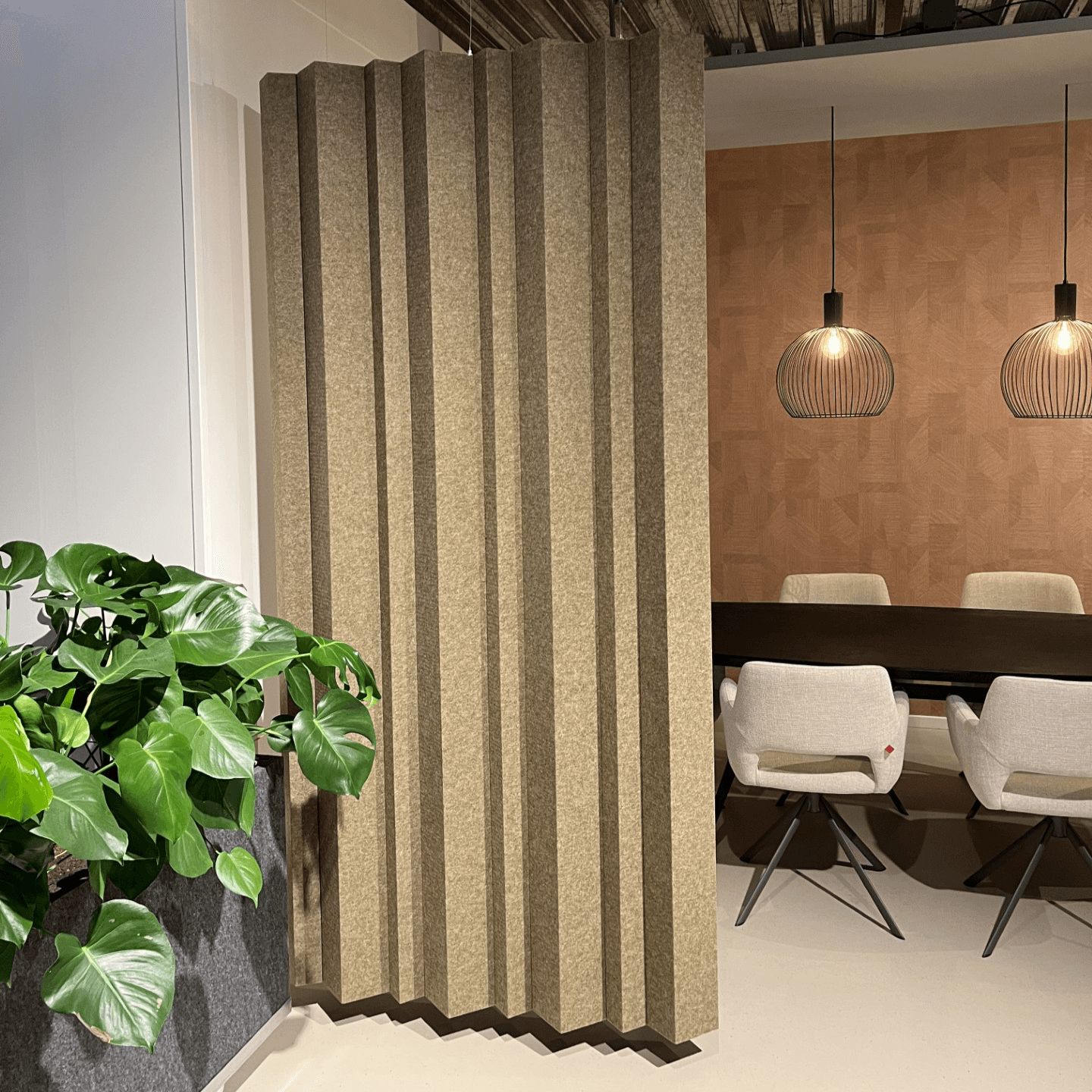
There is a clear strength of acoustic felt. The material has a matte, subdued appearance and can simultaneously contribute to sound absorption. Additionally, PET felt is lightweight, durable, and can be applied in various shapes or patterns. This makes it interesting for designers seeking custom solutions with acoustic added value.
Acoustics as an invisible form of luxury
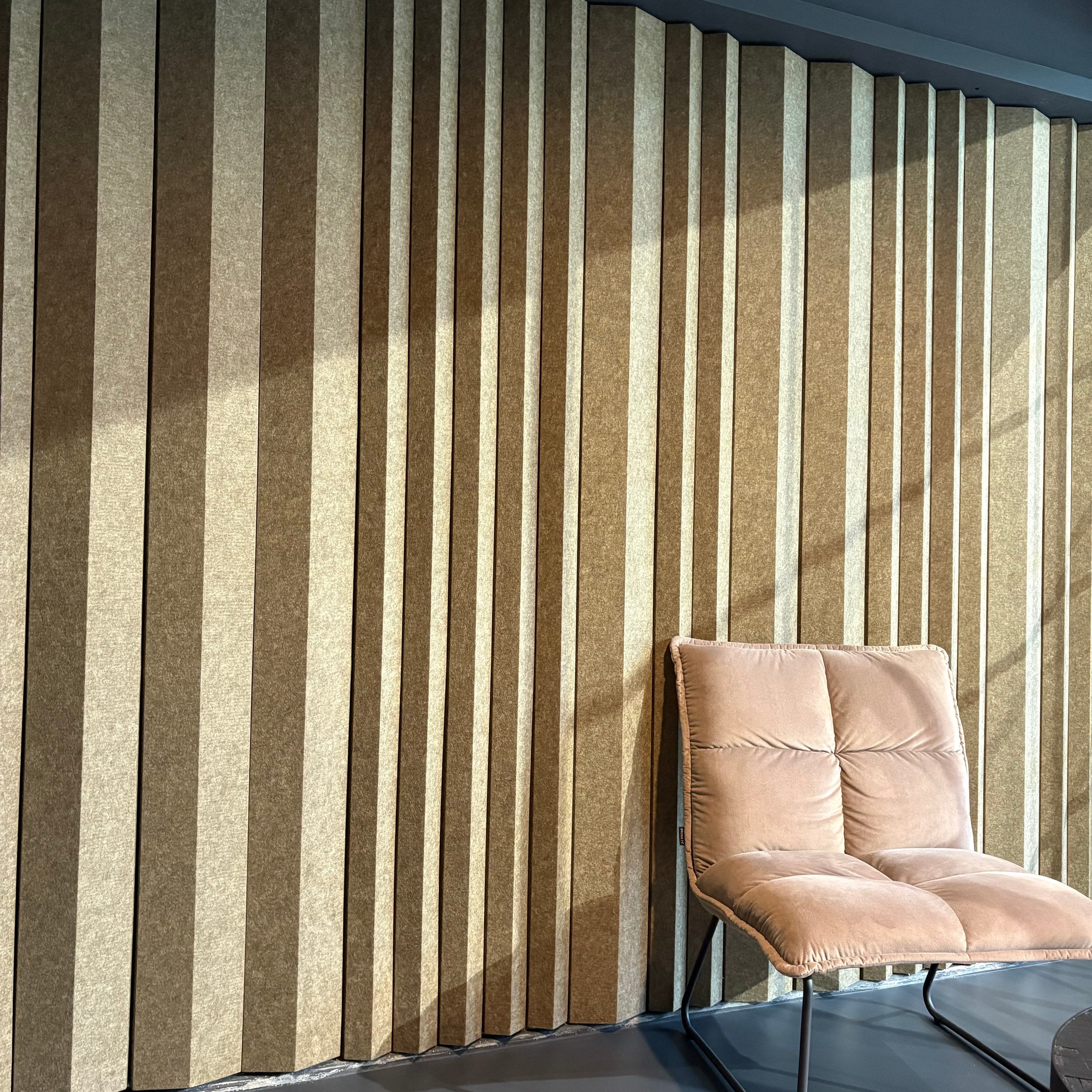
What often sets high-end projects apart is not the visible luxury itself, but the quality of harmony. Materials must complement each other. Textures should be proportionate. A wall should not only look beautiful, but also contribute to the overall tranquility of the space. In this context, acoustic wall covering can be much more than just a practical addition. It becomes a carrier of atmosphere, tactile quality, and spatial refinement.
This certainly applies to projects where comfort is central, such as hospitality, boardrooms, reception areas, or exclusive workspaces. Acoustic quality is not always explicitly mentioned, but it is directly experienced. A space where conversations remain pleasant, sound does not linger, and materials bring visual and acoustic calm typically feel more high-quality automatically.
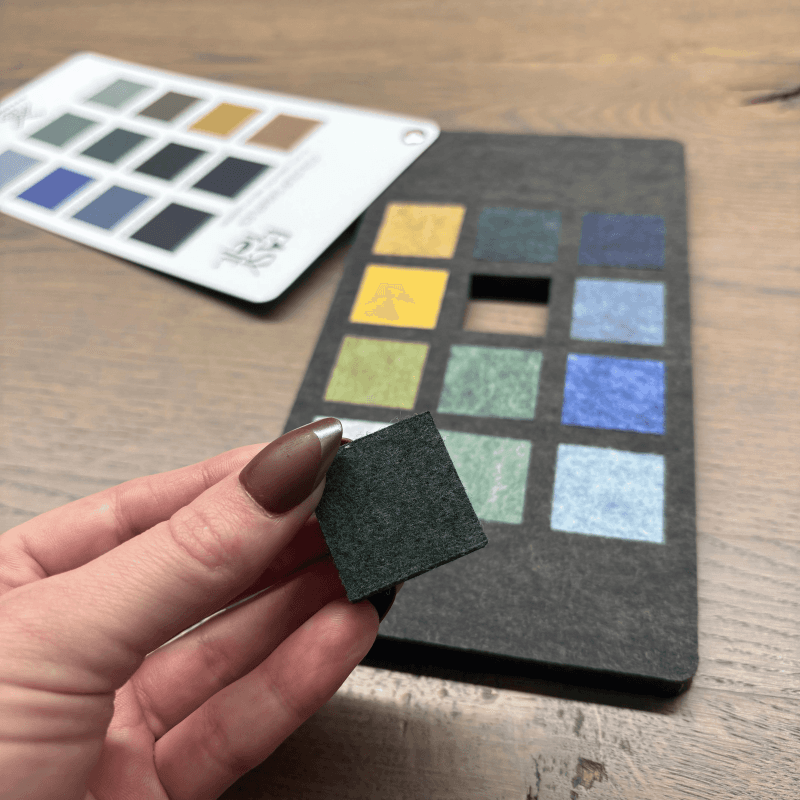
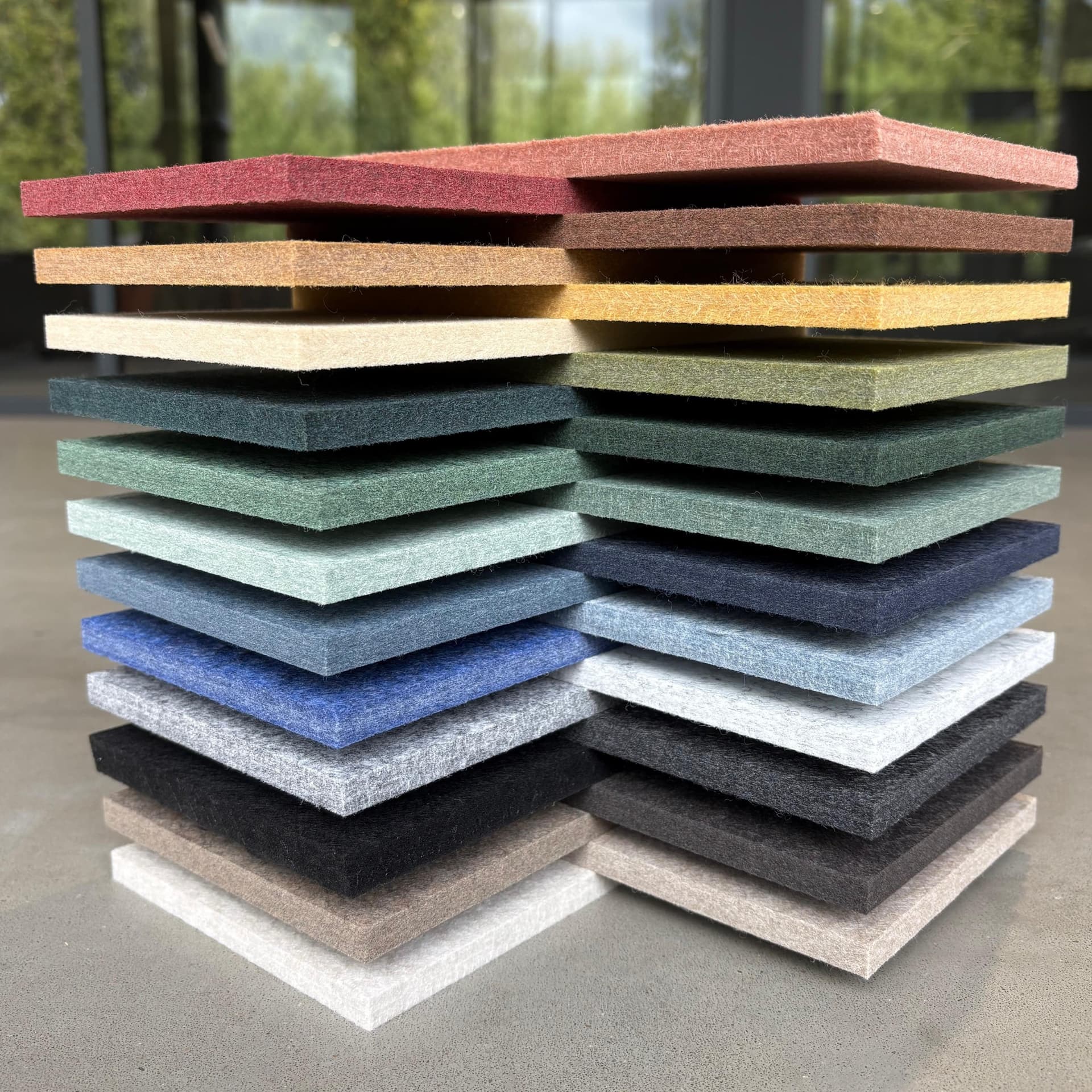
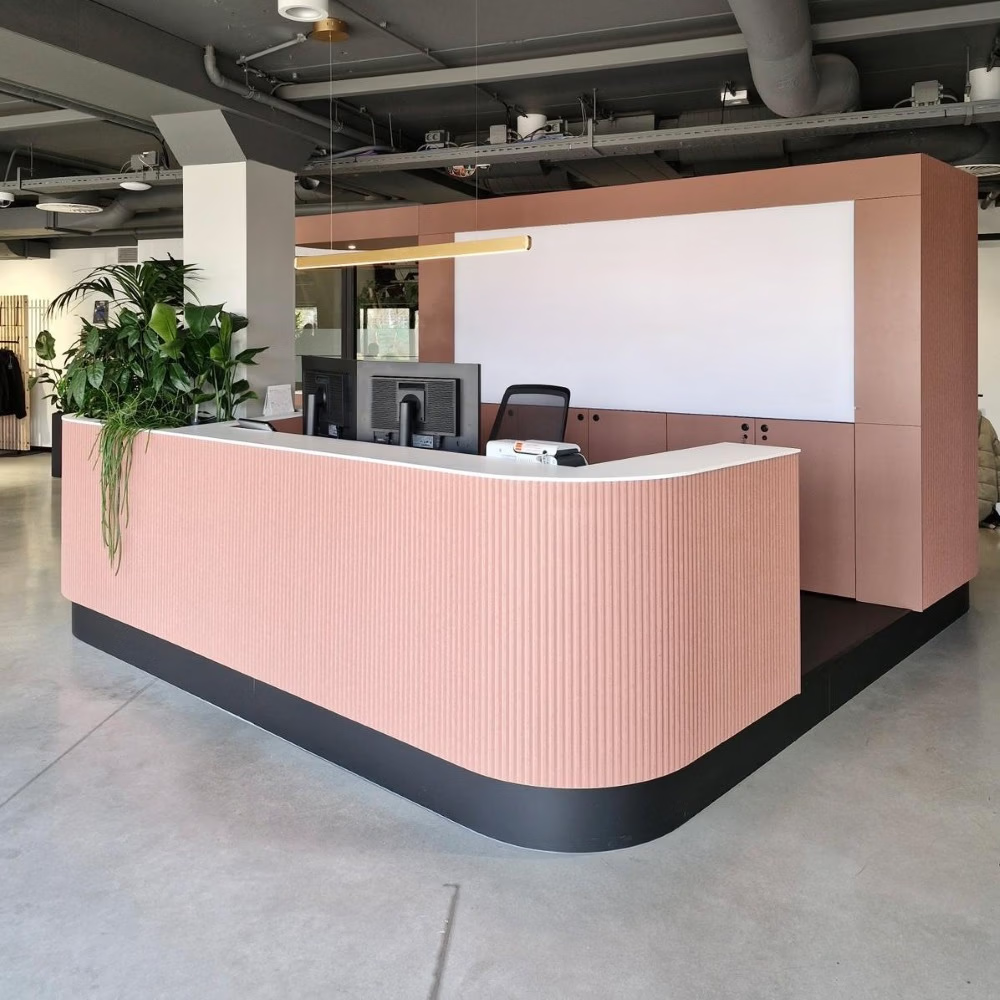
The design freedom also plays a role in this. Felt is a material used for decorative solutions on walls and ceilings, available in multiple thicknesses and a wide range of colours. It is this flexibility that makes it possible to combine acoustic performance with a refined, project-specific appearance.

Aesthetics and functionality in one line
For high-end interior concepts, this is relevant because the material does not have to compete with aesthetics but can support it instead. It gives designers the opportunity to acoustics to be incorporated without resorting to solutions that are disconnected from the architecture.
In this sense, acoustic materials are no longer an exception within high-quality interiors but are increasingly becoming an inherent part of the design language. Not because they need to hide something, but because they demonstrably contribute to a space that works on all levels.
Discover how acoustic felt can contribute to an interior that not only looks beautiful but also feels right. Get in touch for advice or project-specific inspiration.