









The Rise of Soft Materialisation in Contemporary Work Environments
Work environments today demand more than just functionality. Comfort, tranquillity, and experience are playing an increasingly important role. Soft materialisation helps to create balance in open and often hard office spaces. Discover how materials such as PET felt contribute to a pleasant and well-functioning environment.
Yentl
21 July 2026
The changing view of work environments
Work environments have clearly changed over the past few years. Where efficiency and capacity used to be the main focus, attention is increasingly shifting towards experience, well-being, and concentration. The workplace should not only function but also feel pleasant. This has a significant influence on how interiors are designed.


The Rise of Soft Materialisation
Within this development, the rise of soft materialisation is striking. More projects are consciously choosing materials that bring calm, soften sound, and make the space more accessible. Not as a counterreaction to sleek design, but as a refinement of it.
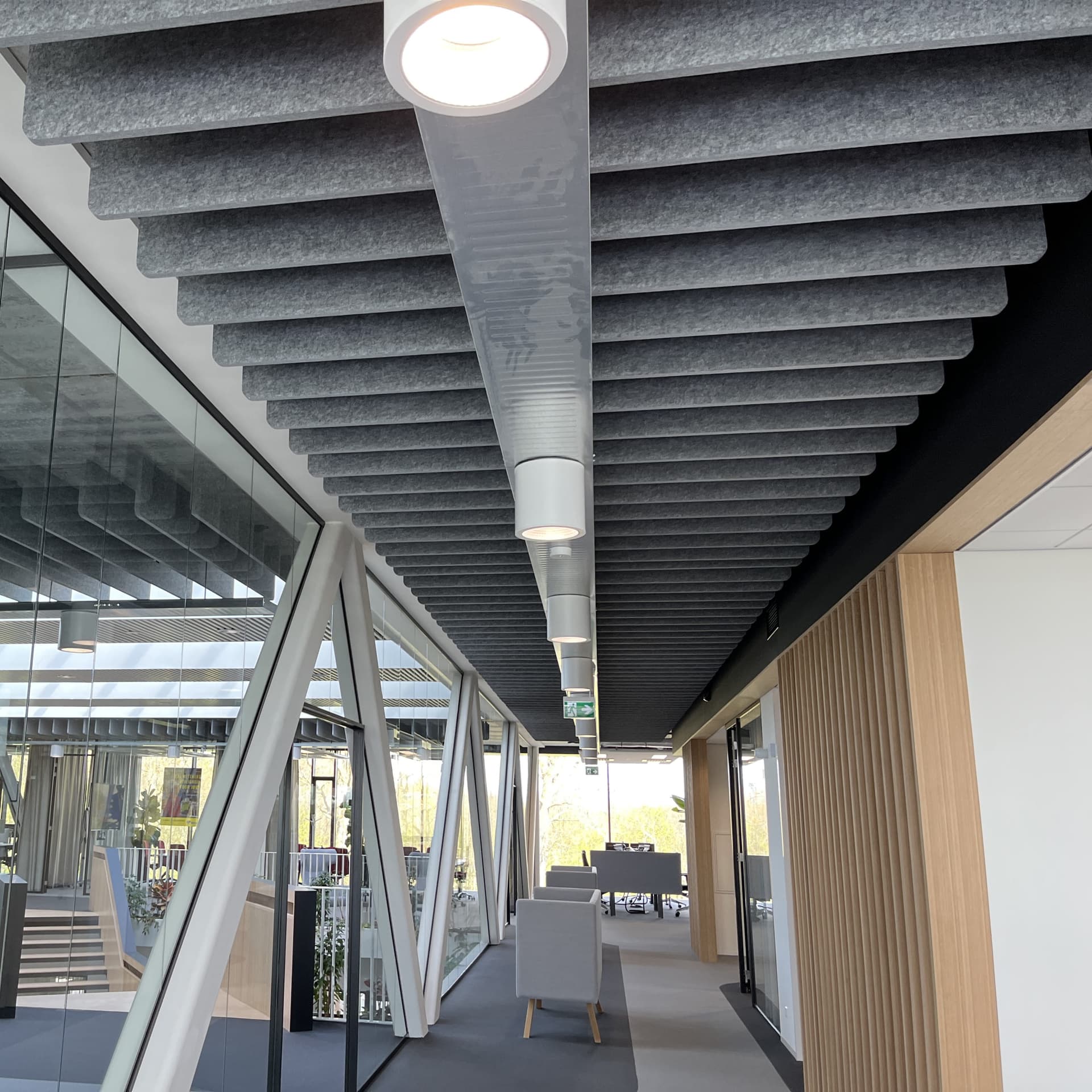
That makes sense. Many modern offices operate with open layouts, transparent partitions, and hard finishes such as glass, steel, and mineral floors. These choices create a clear and professional appearance, but can also cause acoustic and sensory disruptions. In such a context, material selection becomes increasingly important as a means to create balance.
What Soft Materialisation Means in Design
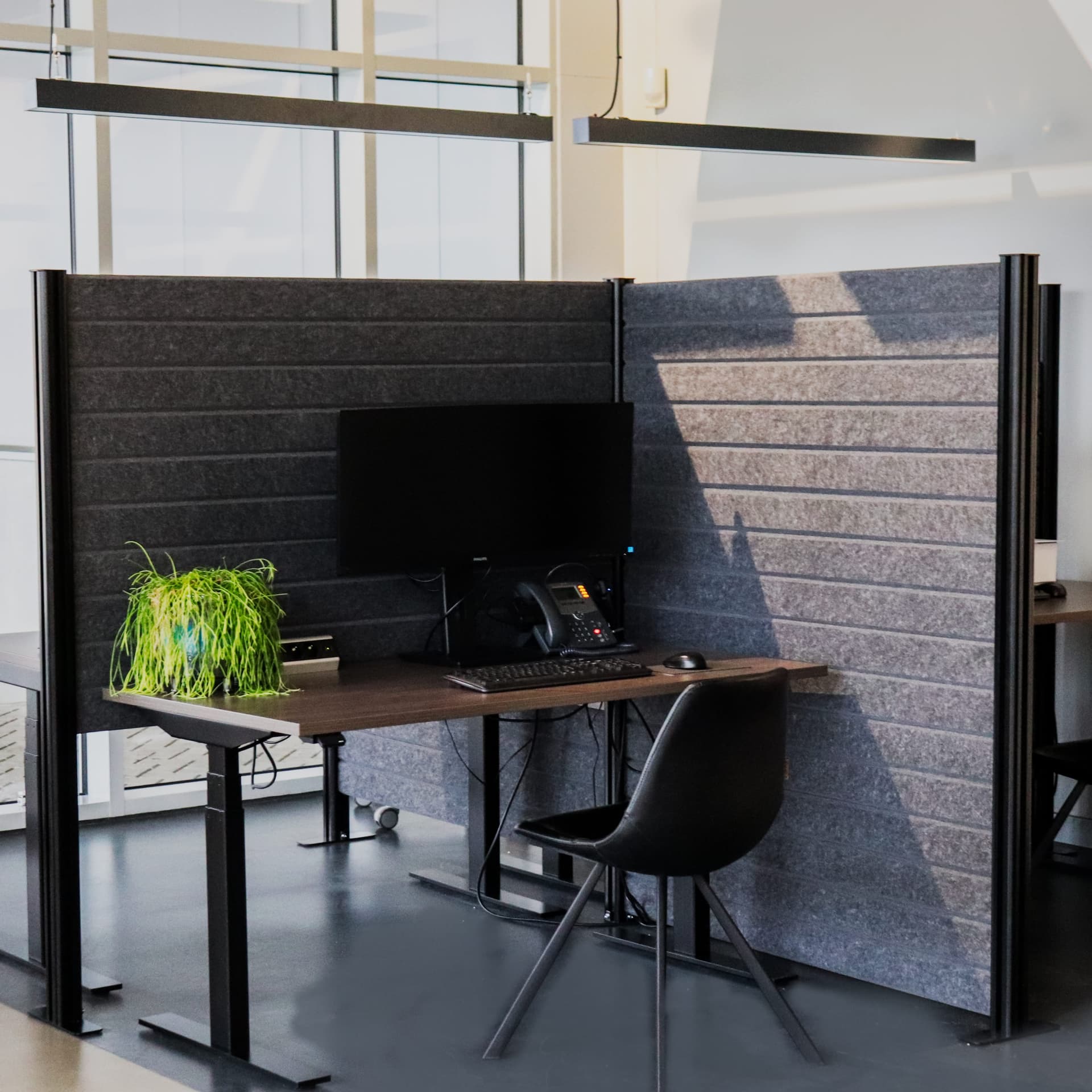
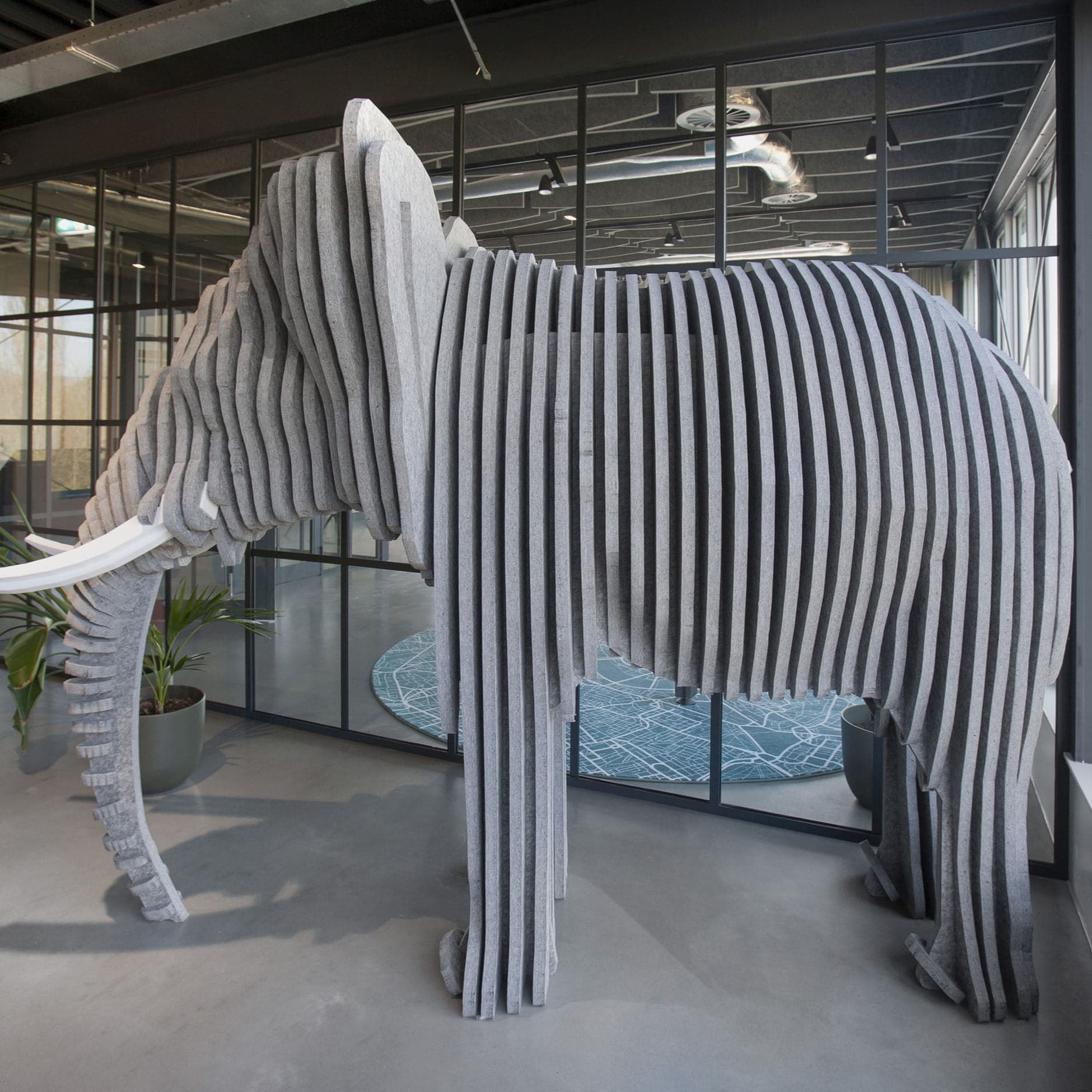
Soft materialisation does not automatically mean “soft” or cosy design. It is more about adding tactility, matte surfaces, visual calm, and acoustic comfort. It is precisely in this area that acoustic felt plays an interesting role. The material combines a calm appearance with sound-absorbing properties and can easily be integrated into contemporary, professional interiors.
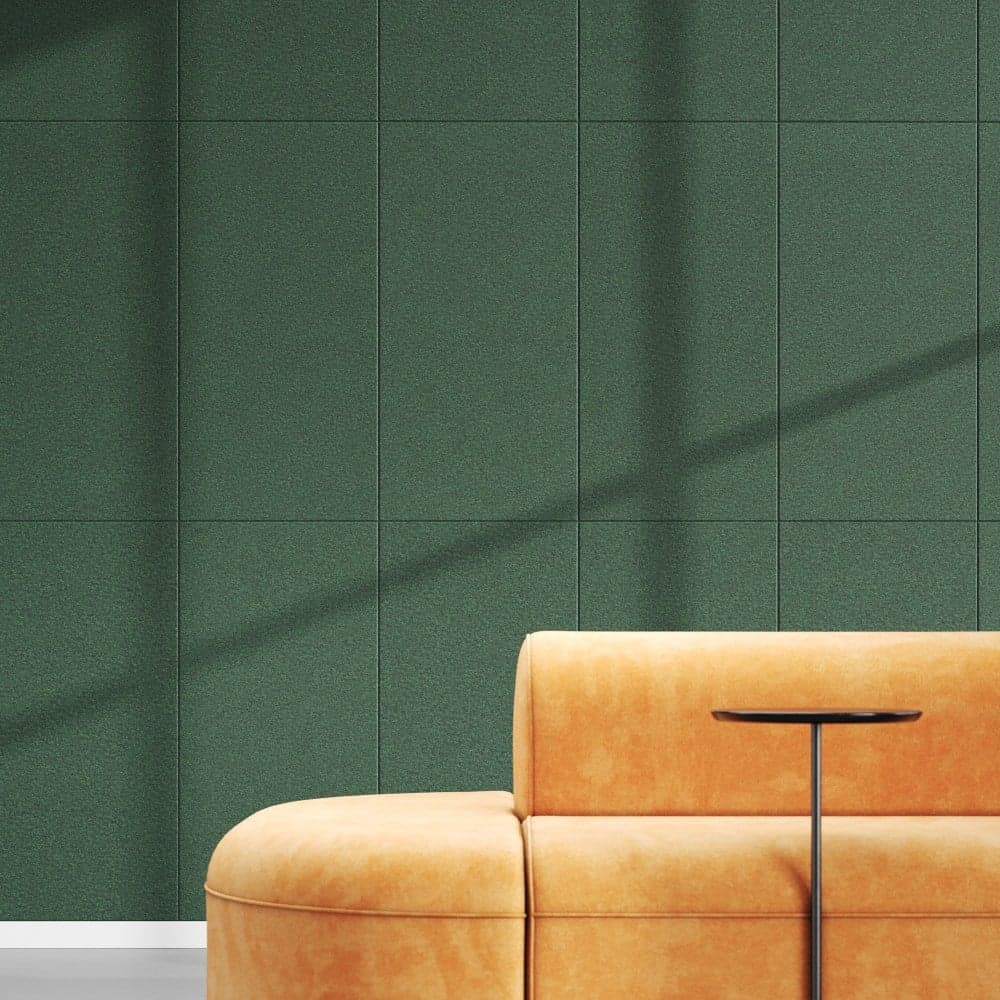
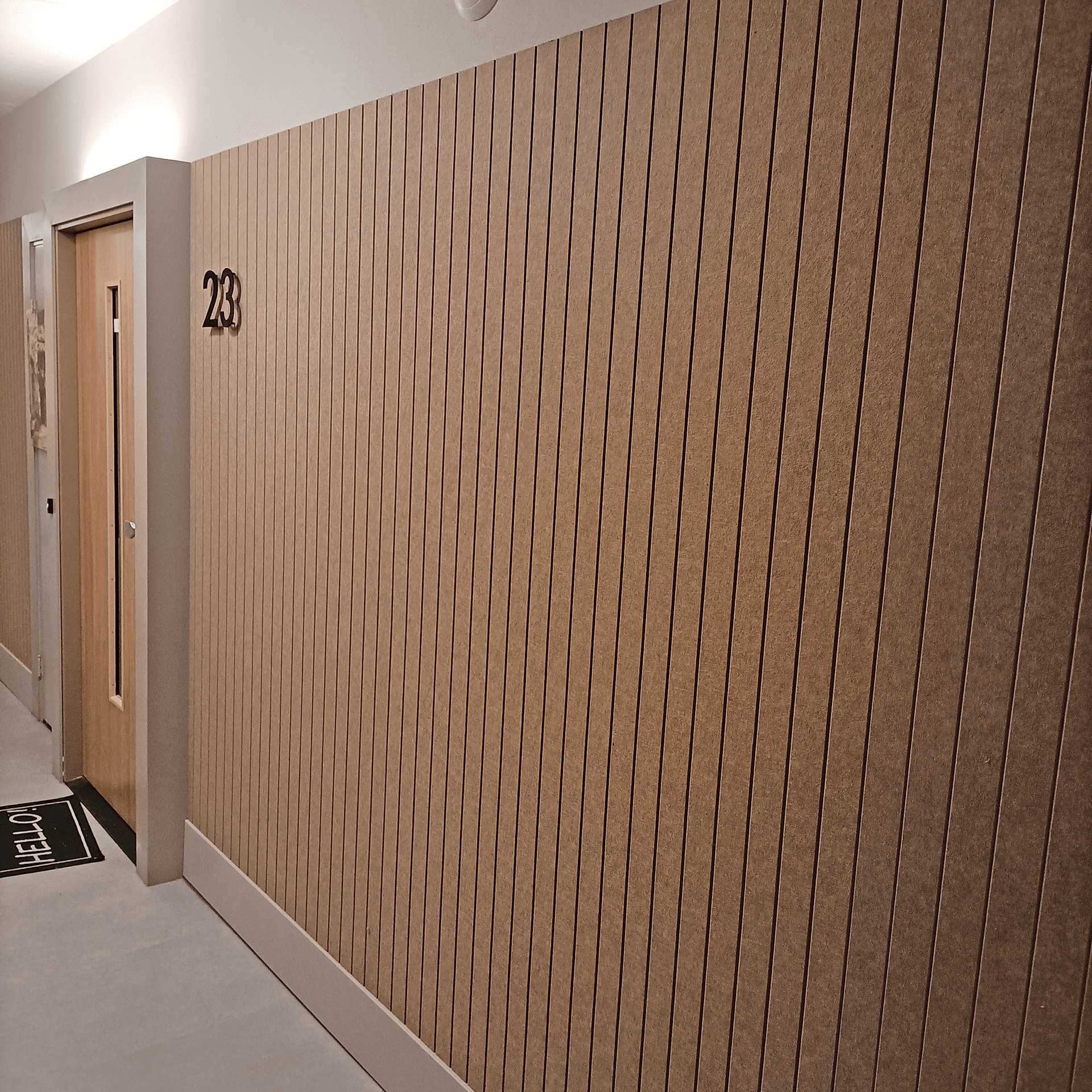
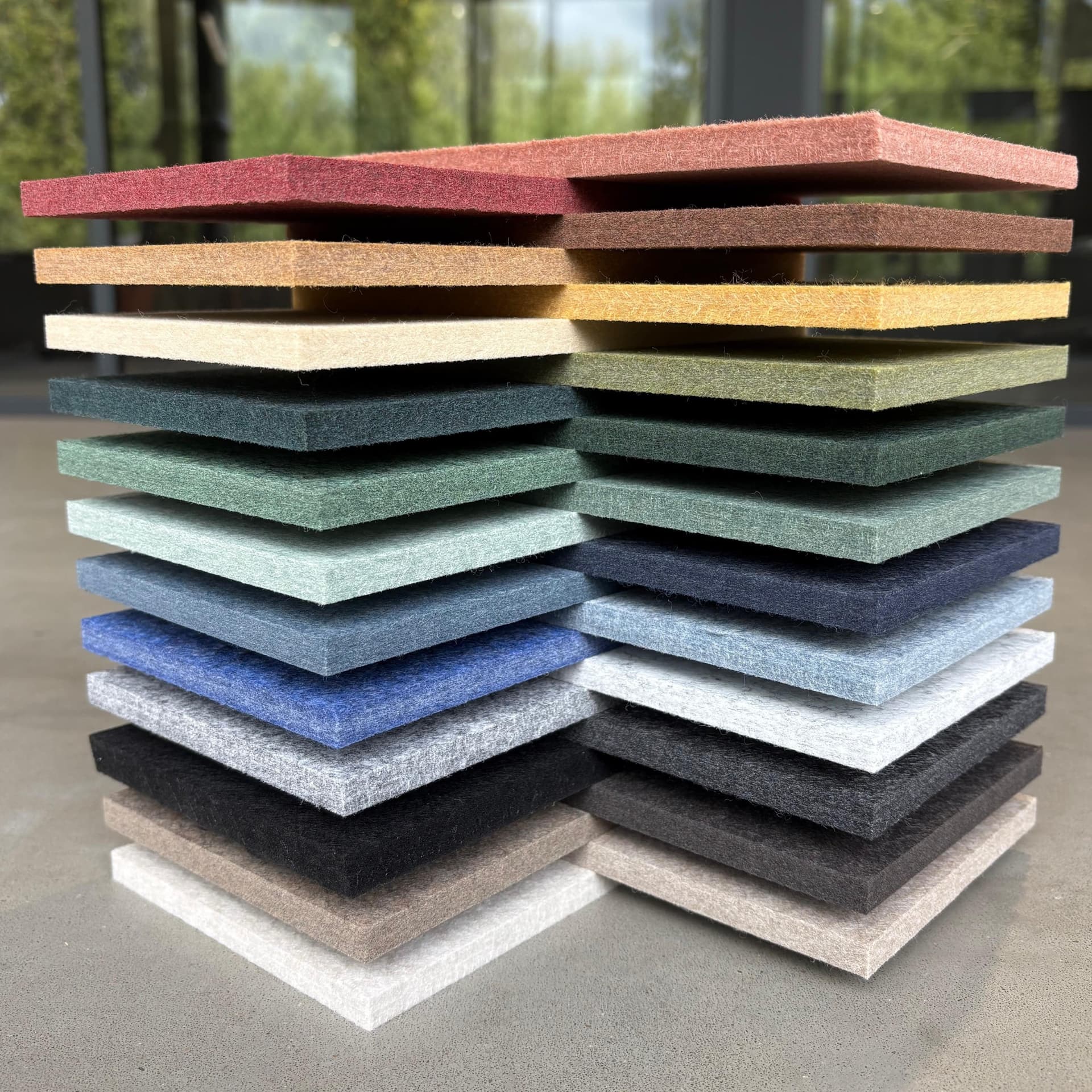
PET felt is regarded as an acoustic and sustainable material for wall and ceiling solutions. Felt wall panels help to reduce echo and reverberation, contributing to a more comfortable acoustics in the space.

Application in Practice
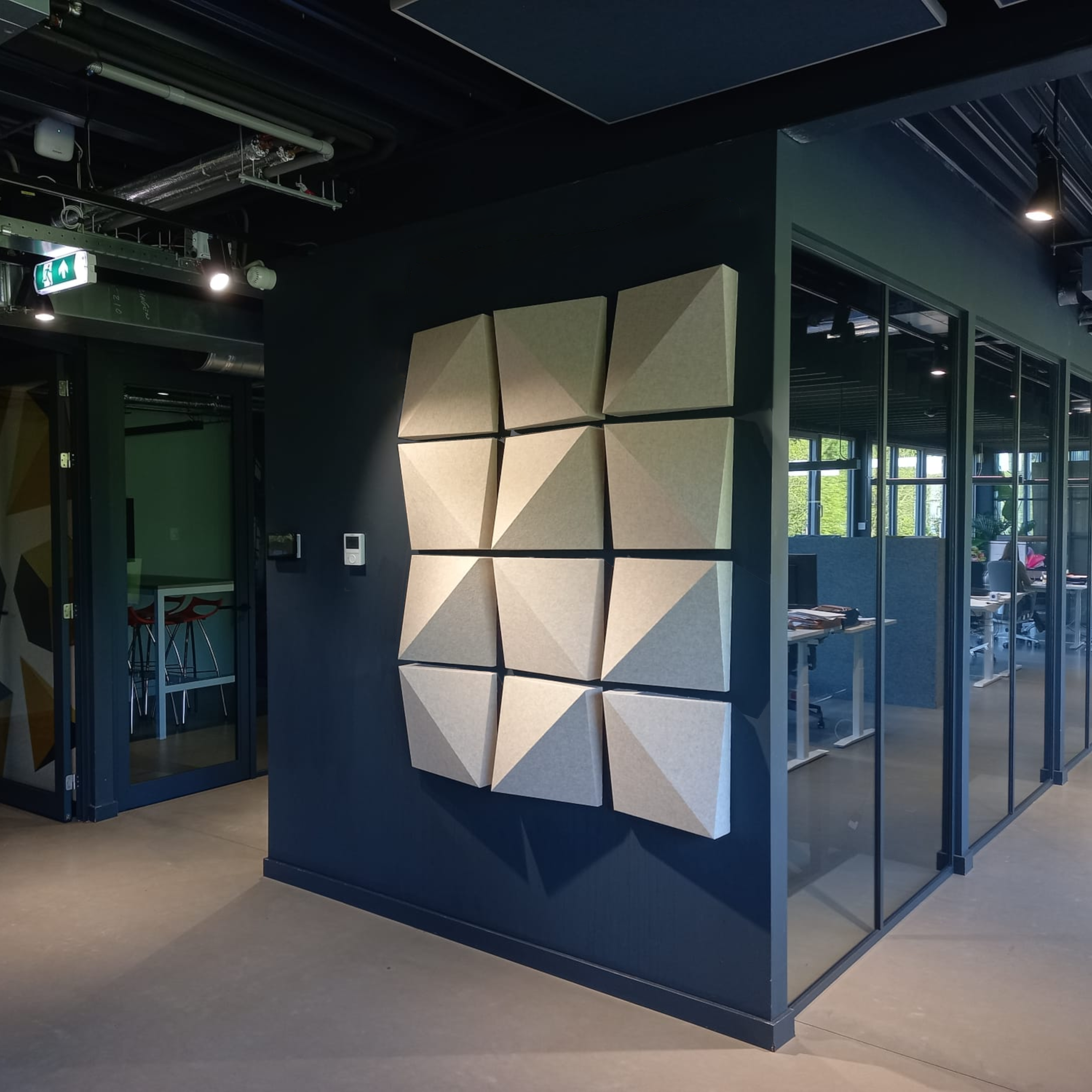
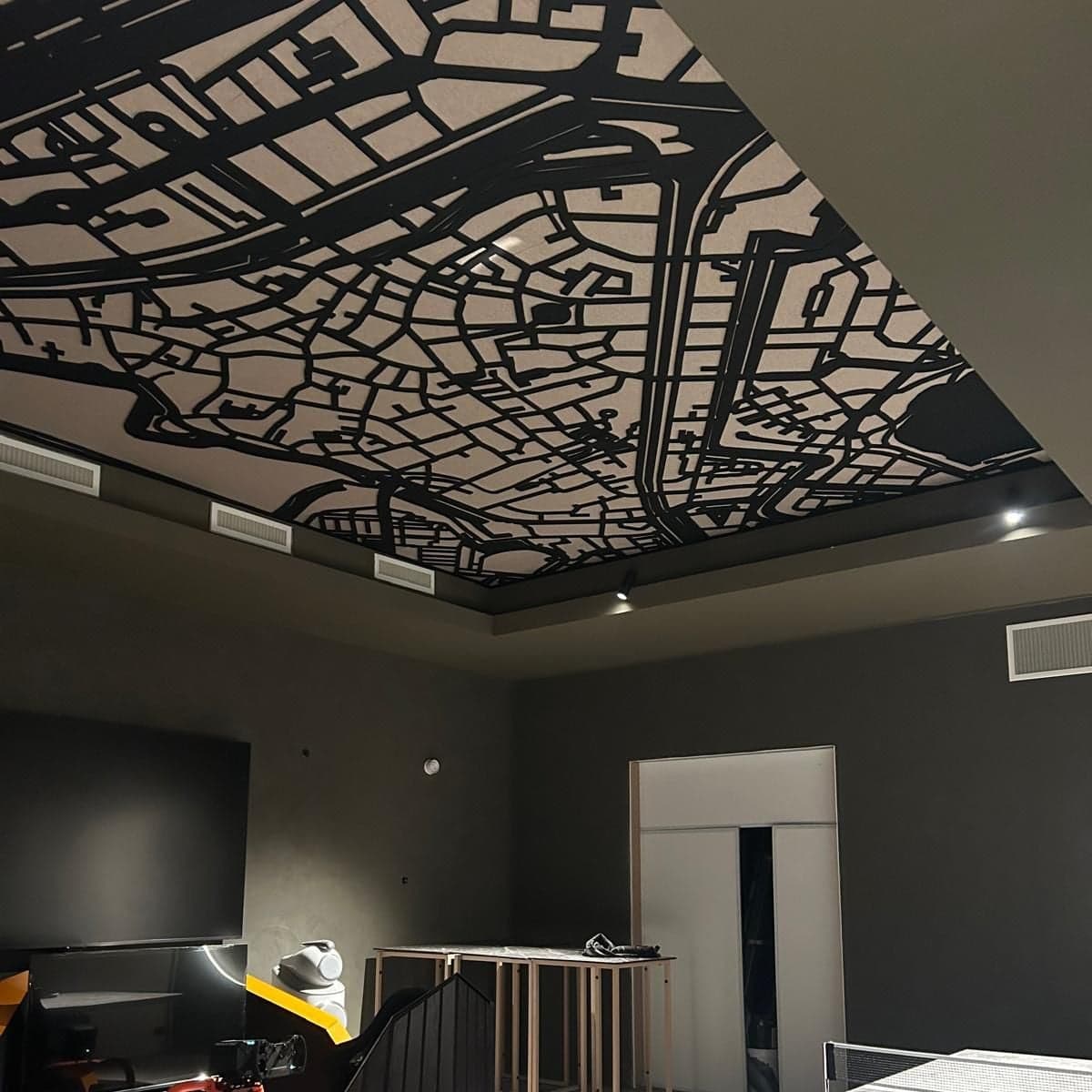
For work environments, this is relevant because comfort is often not a matter of a single grand gesture, but rather a series of subtle choices. A felt wall panel can soften a focus area, improve the sense of place during meetings, or visually and acoustically balance an open workspace. The value then lies not only in the material itself but in what it enables within the space.
Aesthetics and functionality combined
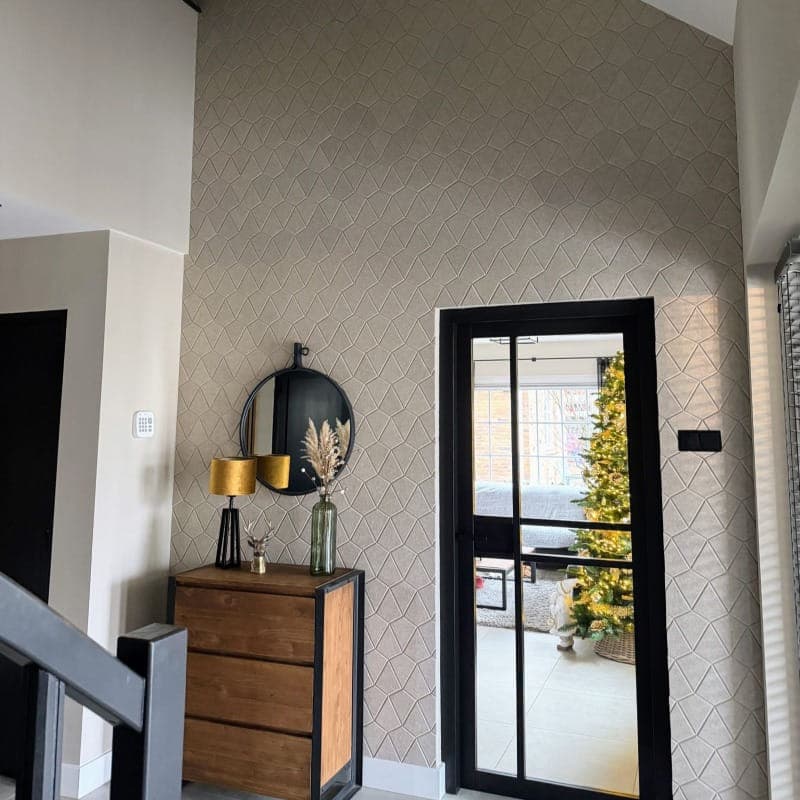
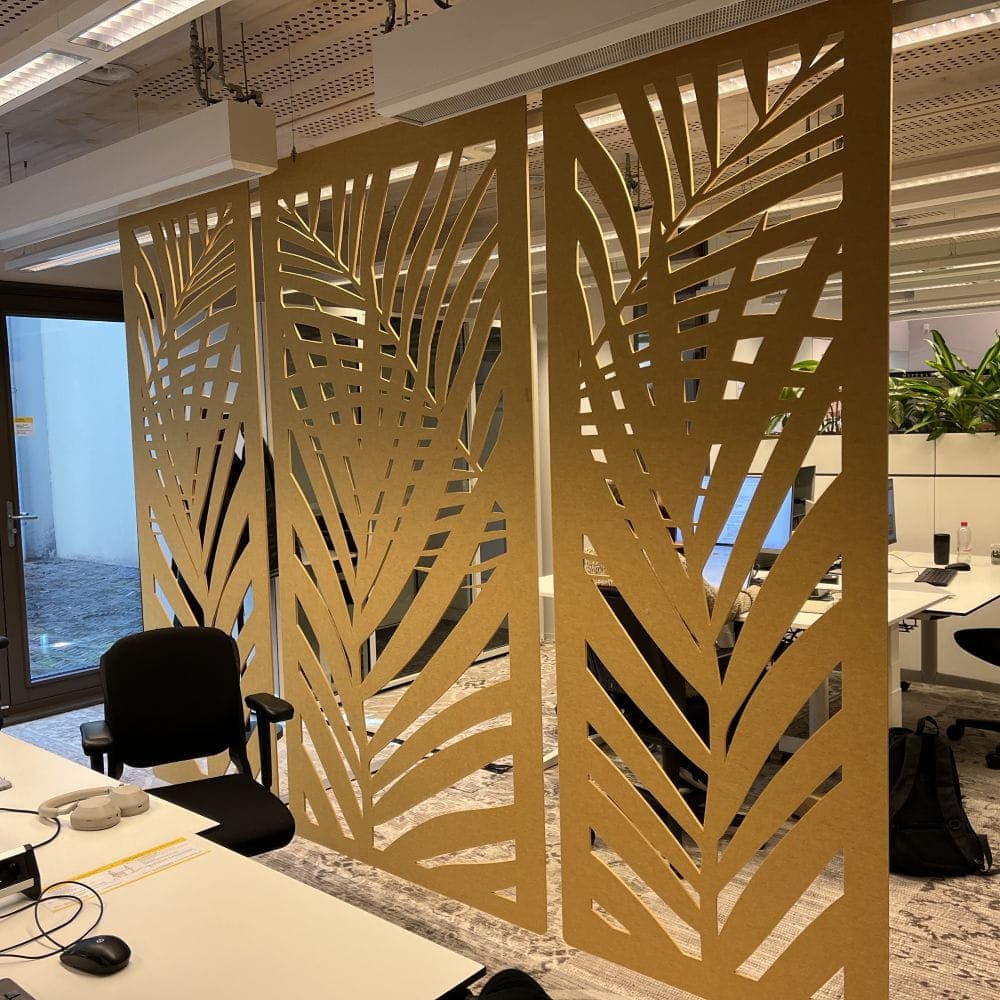
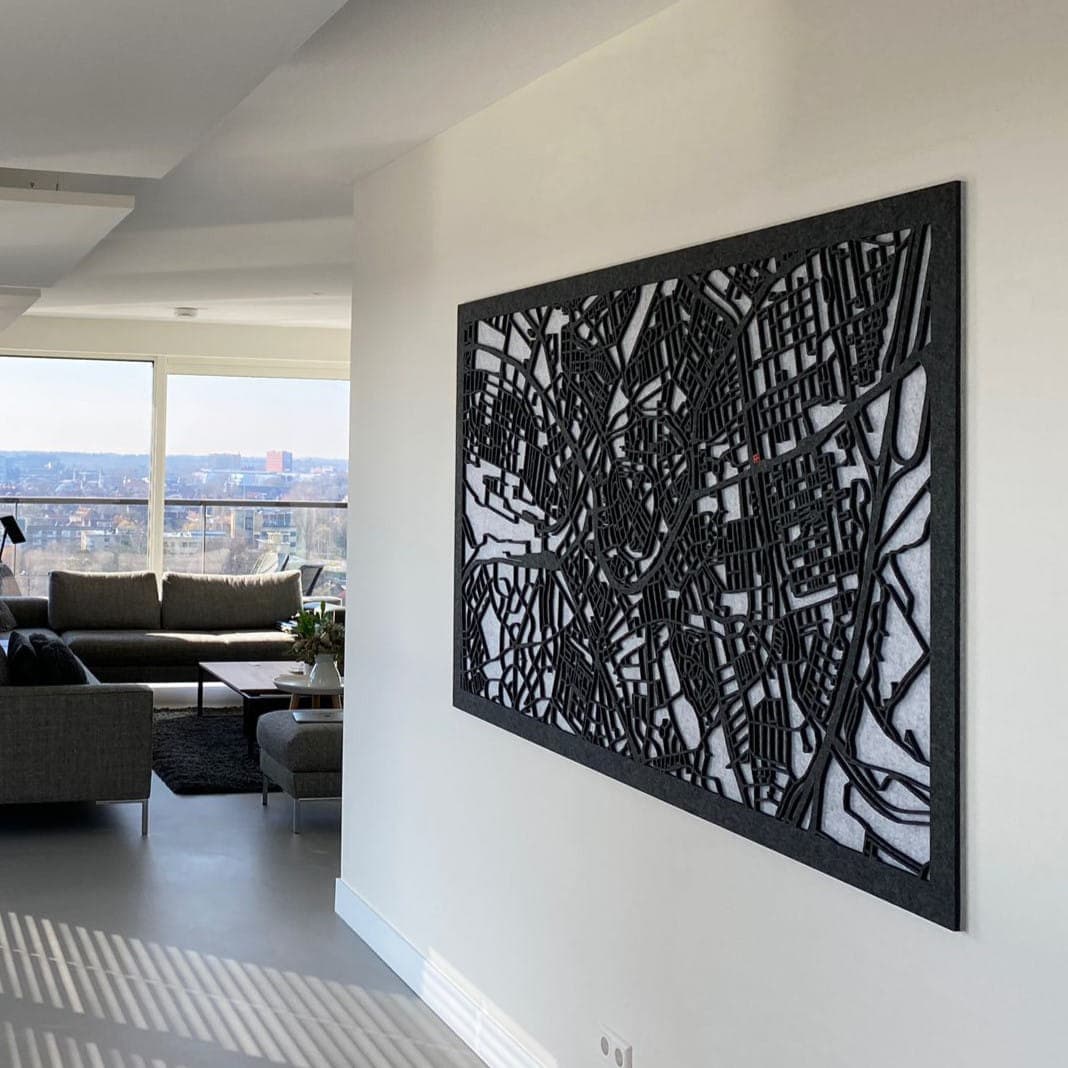
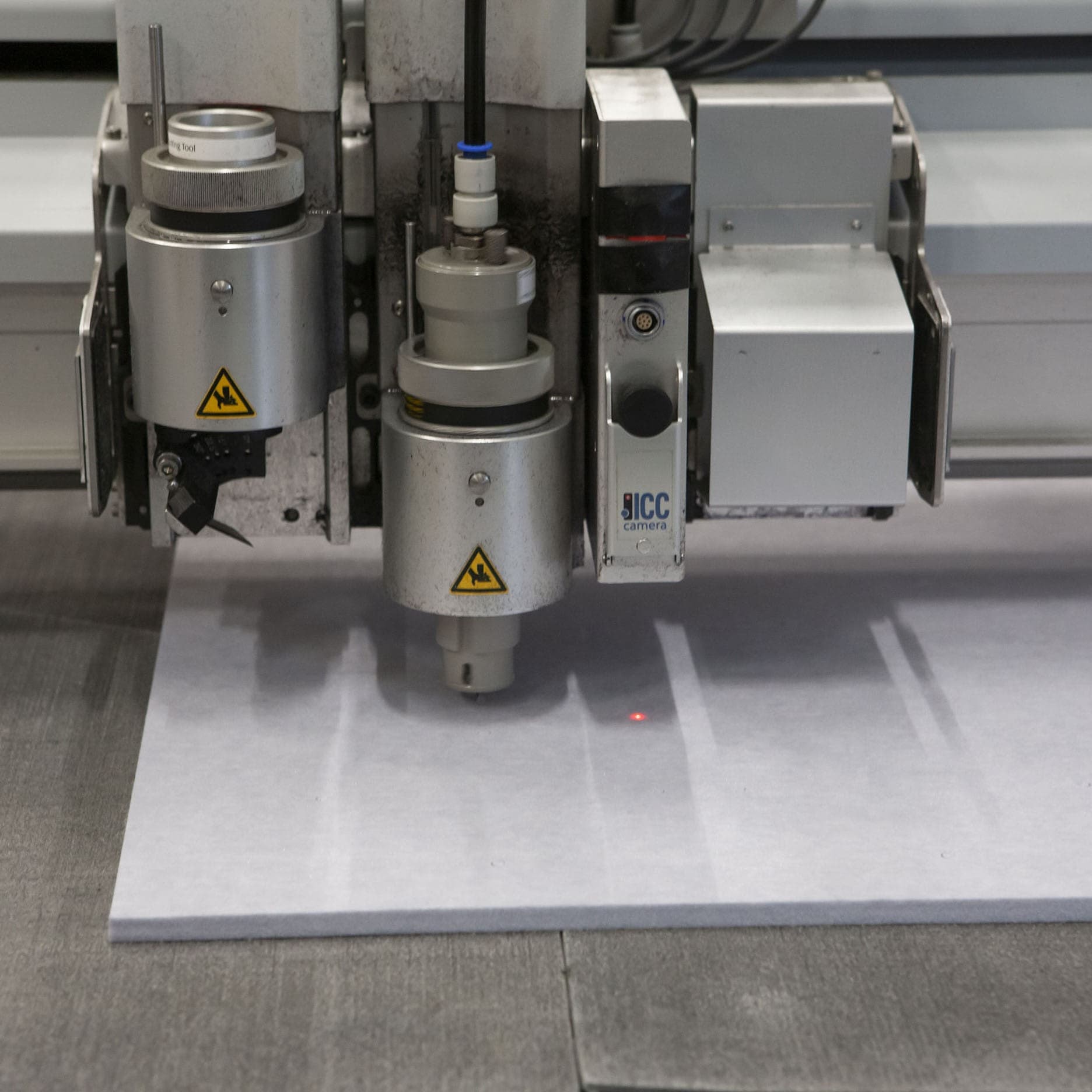
In addition, appearance also plays a role. Where acoustic solutions used to be somewhat disconnected from the design, there is now a greater focus on materials that combine visual quality and functionality. Felt fits into that development because it can be applied in quiet surfaces, graphic patterns, or customised solutions.


New opportunities for designers
For architects and interior designers, this opens up new possibilities. Soft materialisation does not need to be a concession to the clarity of an office concept. It can actually enhance that clarity by adding a layer of comfort and refinement.
A New Standard for the Workplace
The rise of soft materialisation thus primarily demonstrates that the workplace is no longer viewed solely as an efficient environment, but as a place where concentration, meeting, and experience come together. And it is precisely in this shift that materials like felt become increasingly relevant.