










Acoustic wall covering as an alternative to glass, concrete, and steel
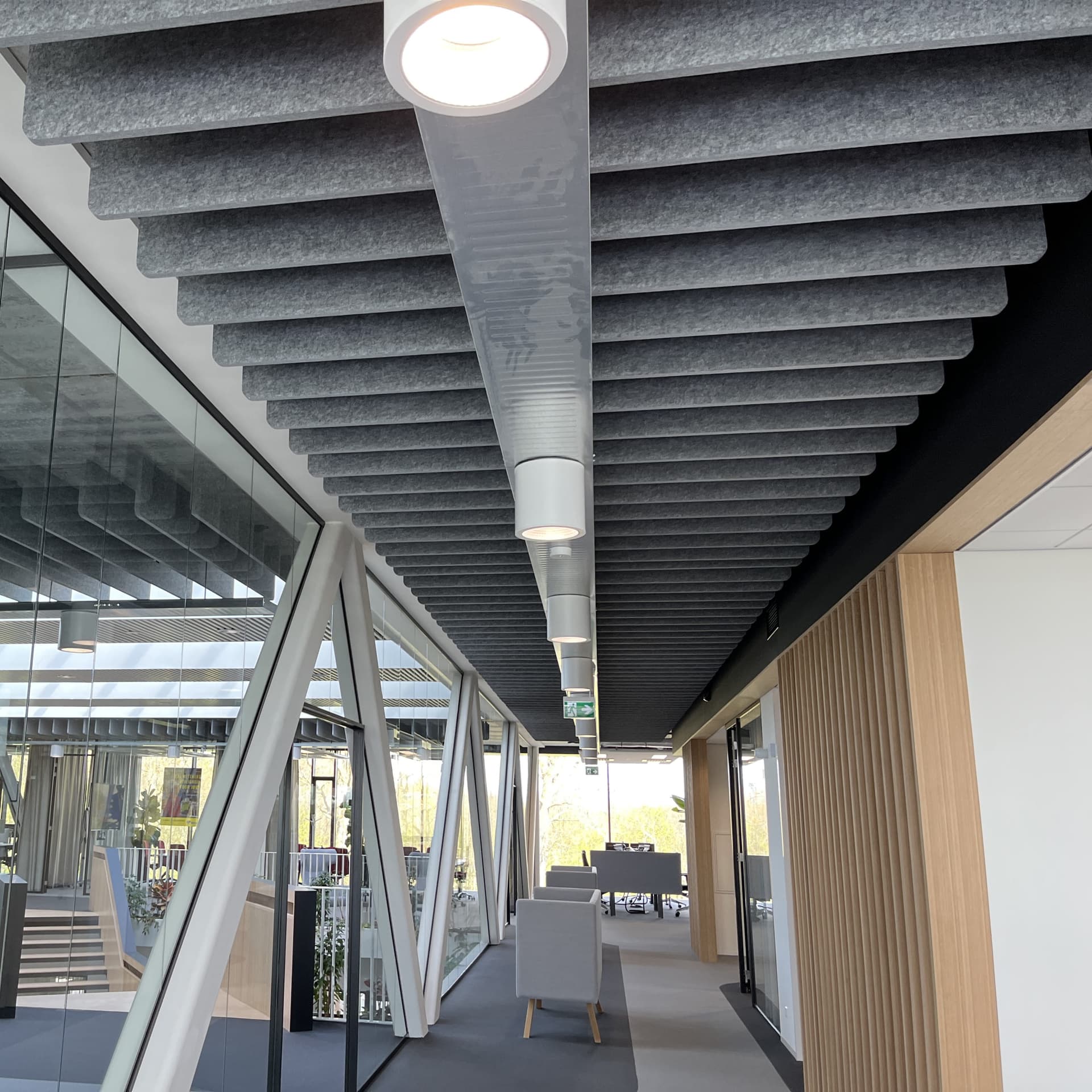
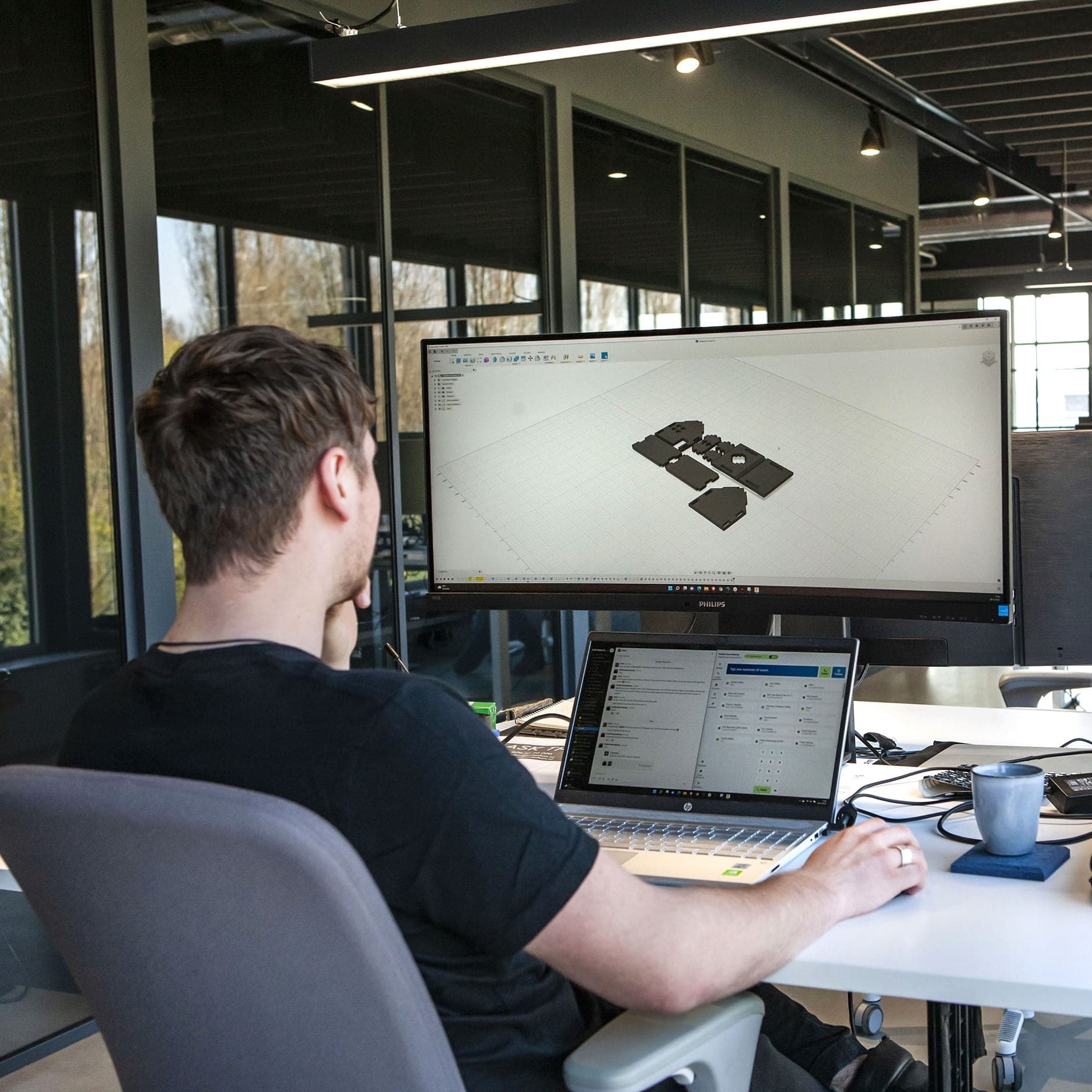
Glass, concrete and steel have a prominent place in contemporary interior architecture. They provide light, structure, and a striking appearance. At the same time, they can cause unrest, for example in acoustics. Especially in offices and public spaces, you quickly notice this. Visually striking spaces can sometimes feel less comfortable in use. It is precisely there that the need for a material arises to balance that hardness.
Yentl
23 June 2026
A counterpart that enhances the whole
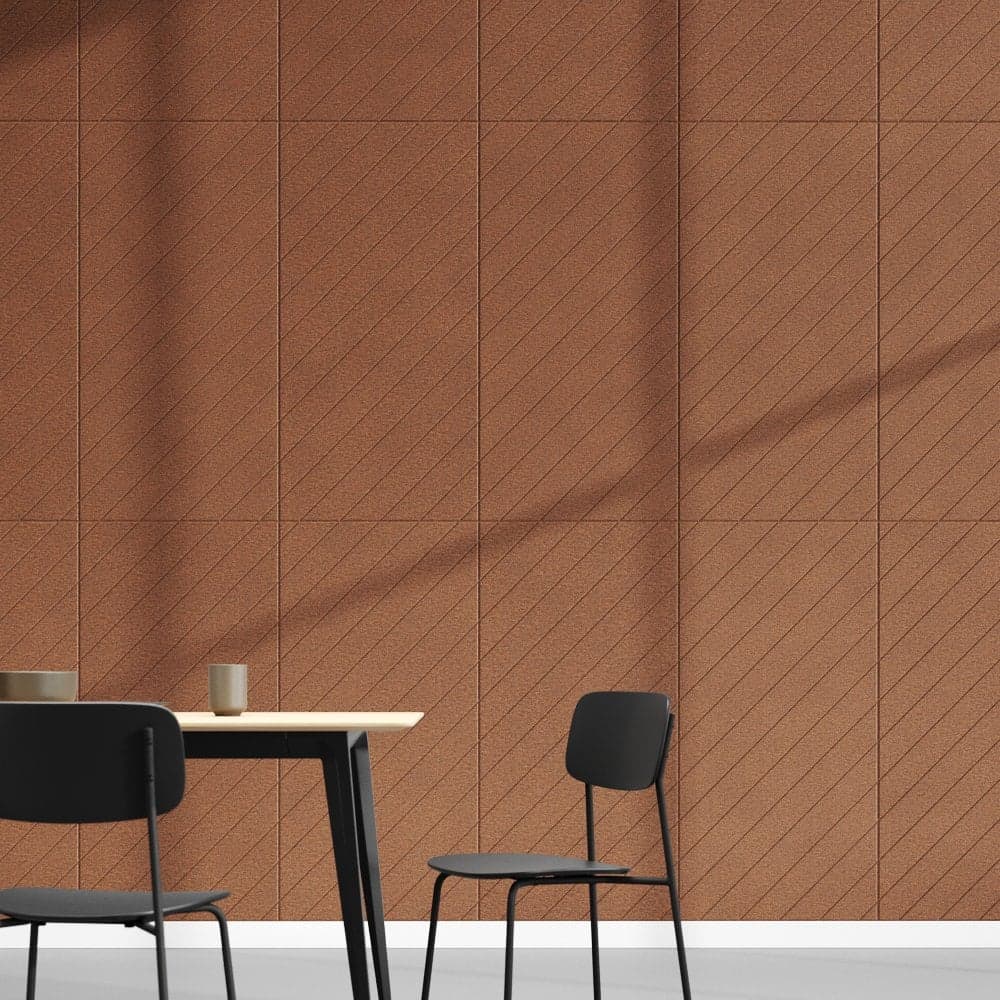
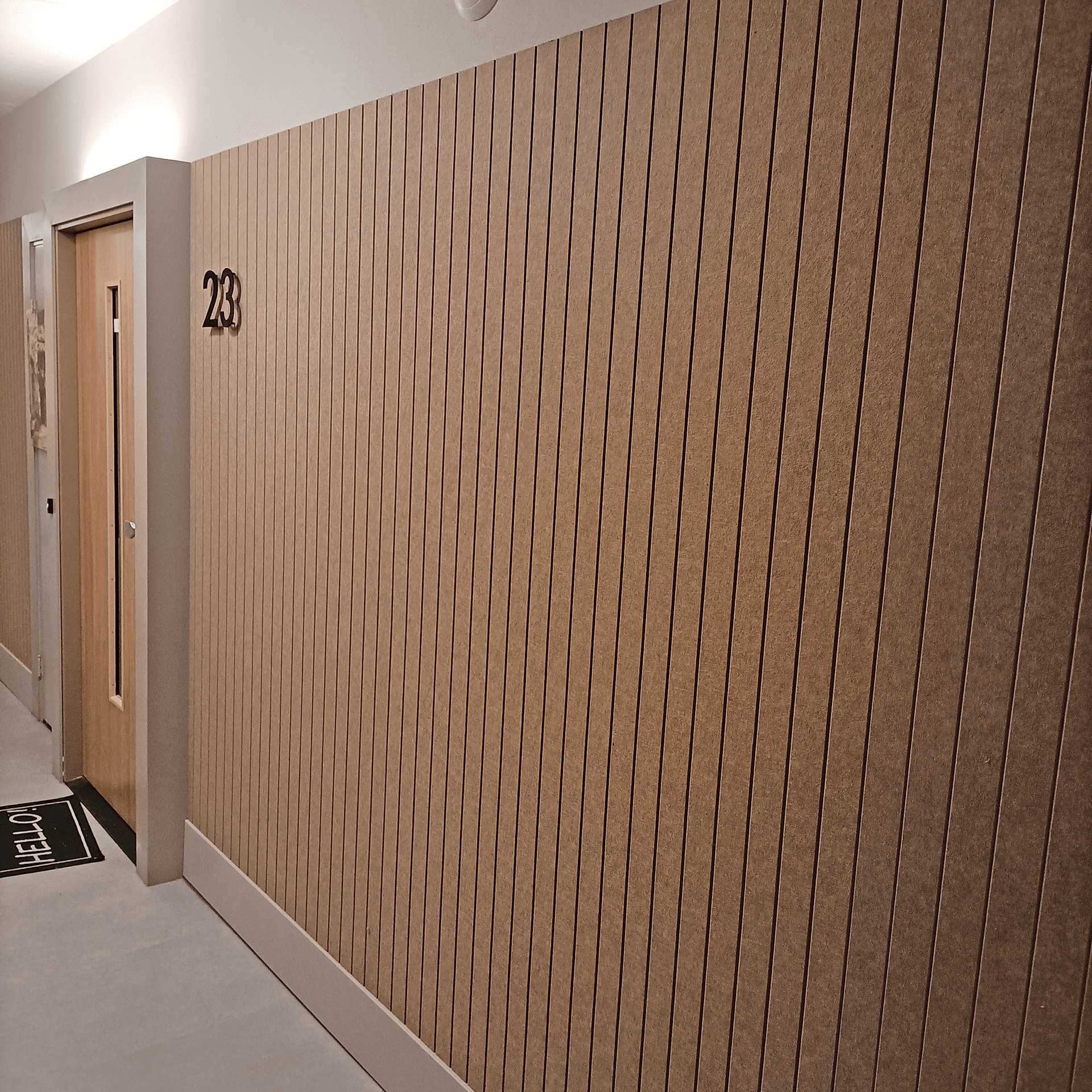
In that quest for balance, acoustic wall coverings play an interesting role. Not as a correction that is separate from the design, but as a complement that makes a space more complete. It adds softness to a palette of hard surfaces and at the same time helps to improve the acoustic experience.
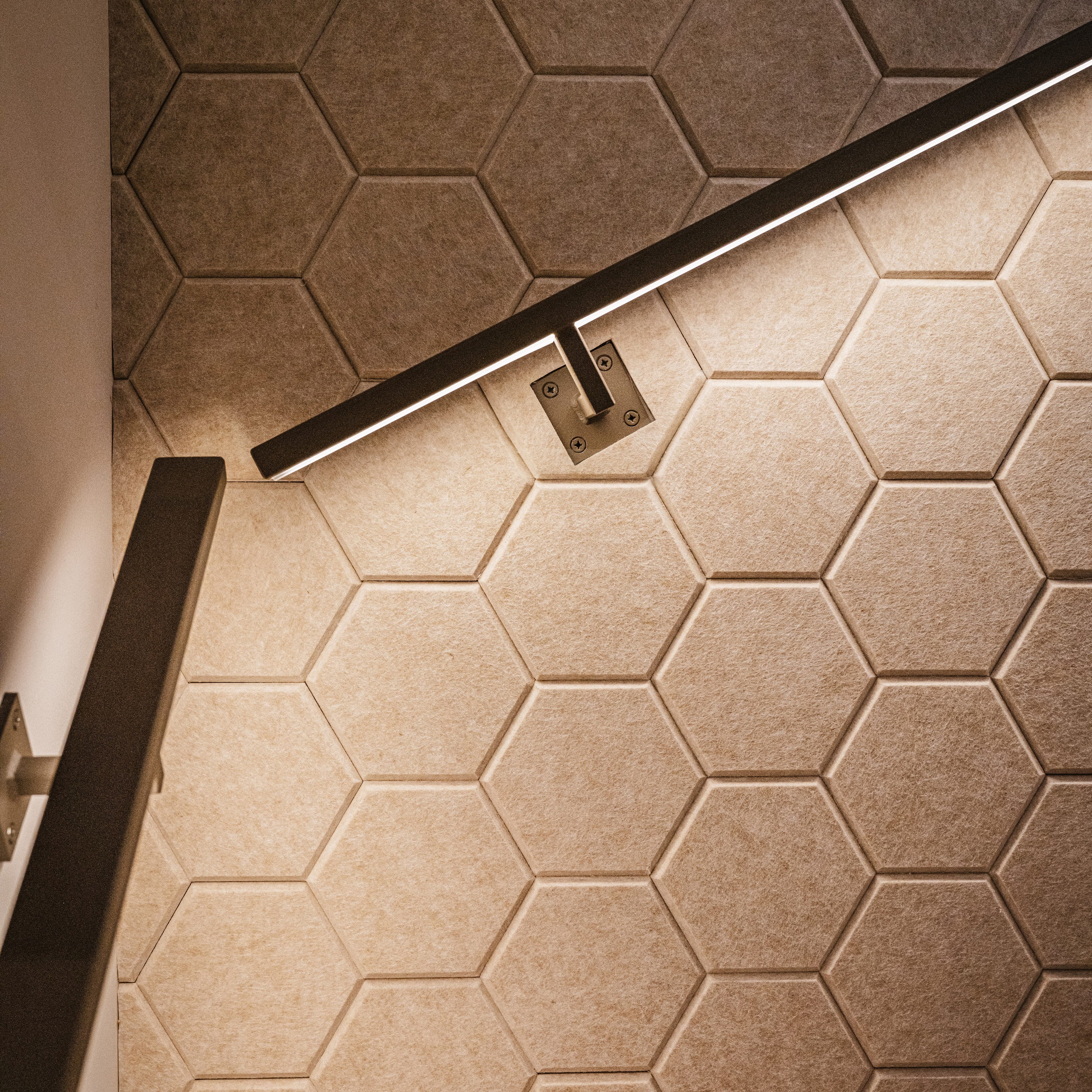
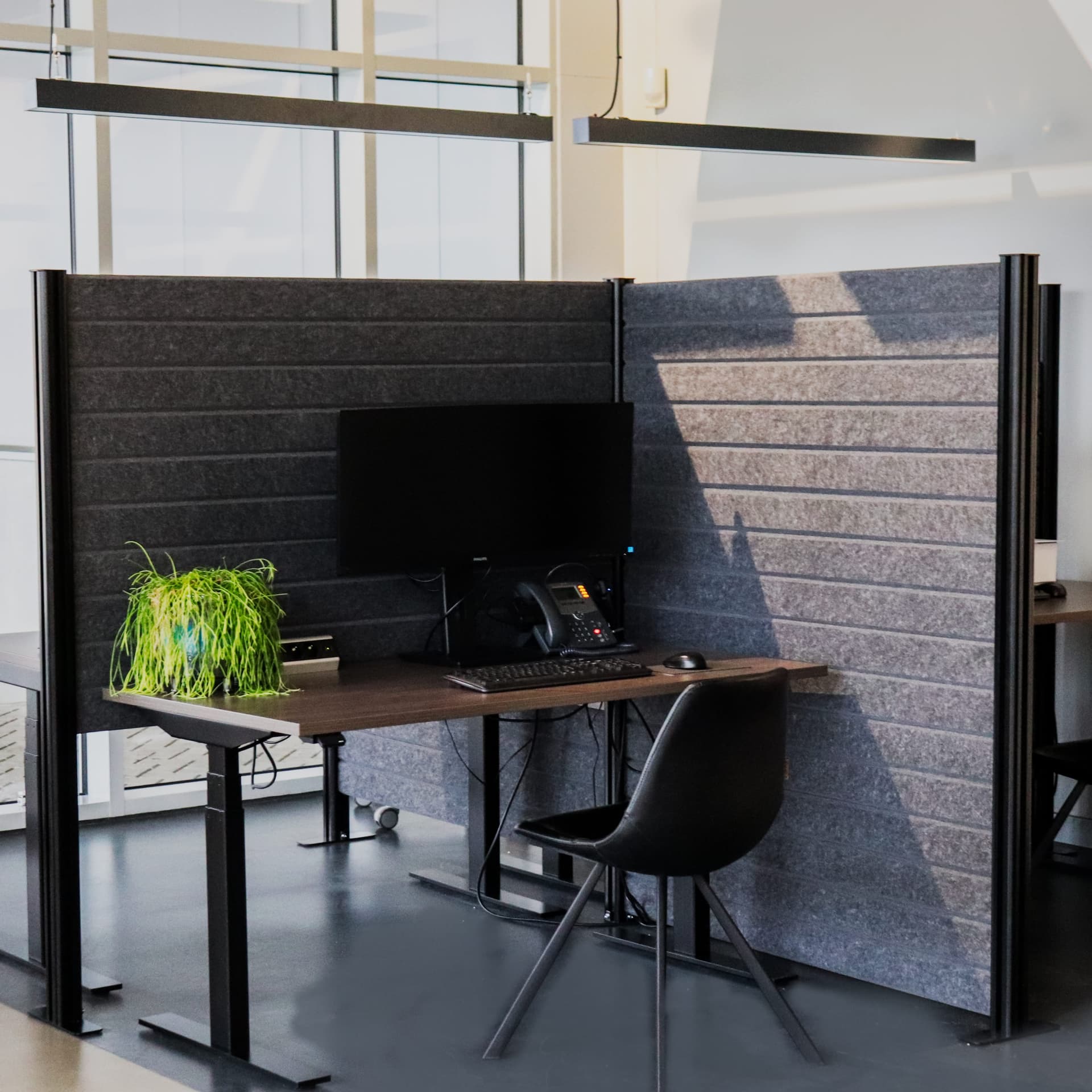
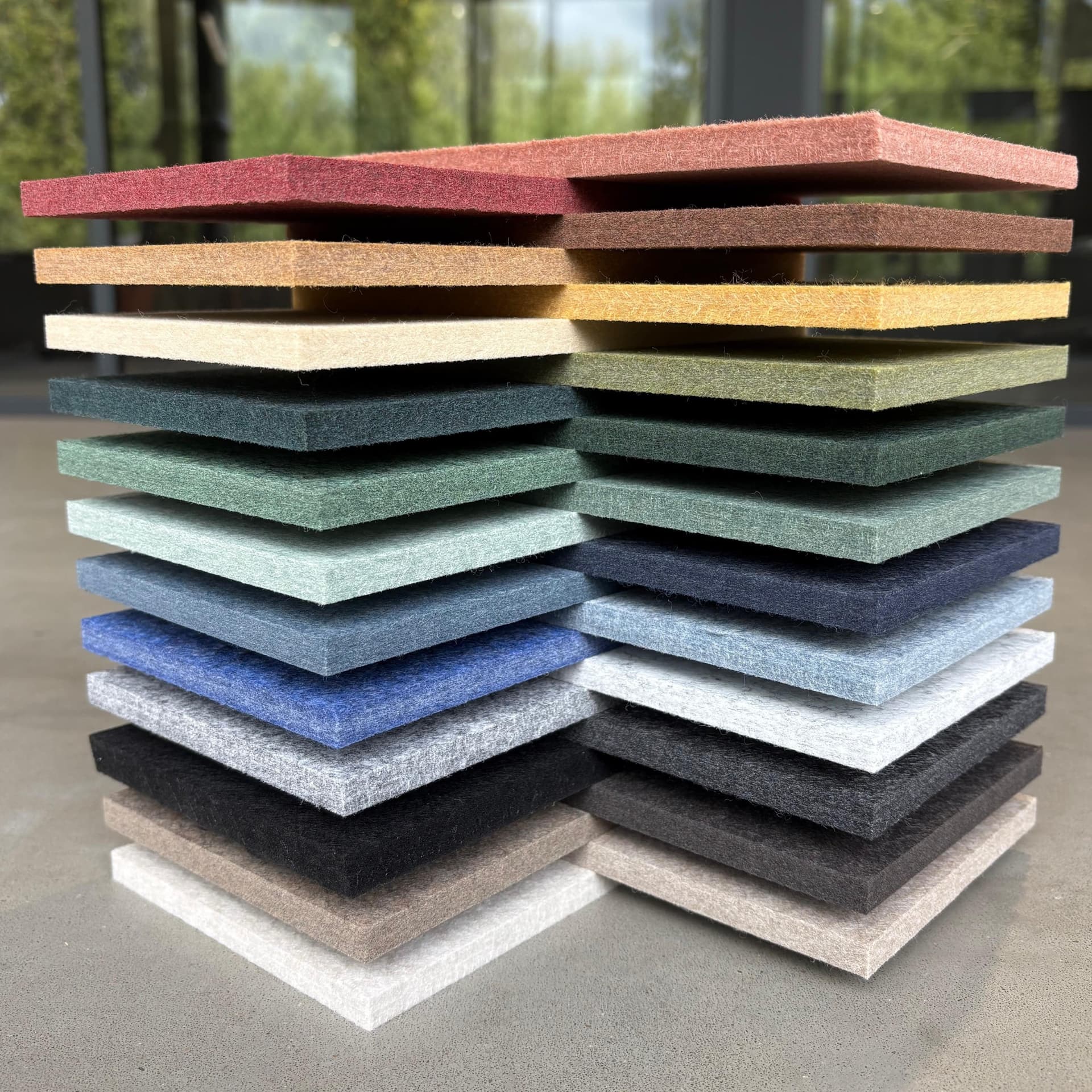
A material such as PET felt is particularly relevant from that perspective. It is lightweight, strong, and an acoustic-absorbing material that can be used in various shapes, patterns, and colours. It is therefore not only functional but also design-friendly in interiors where a refined balance between hard and soft is desired.


Balance Between Materials in Practice
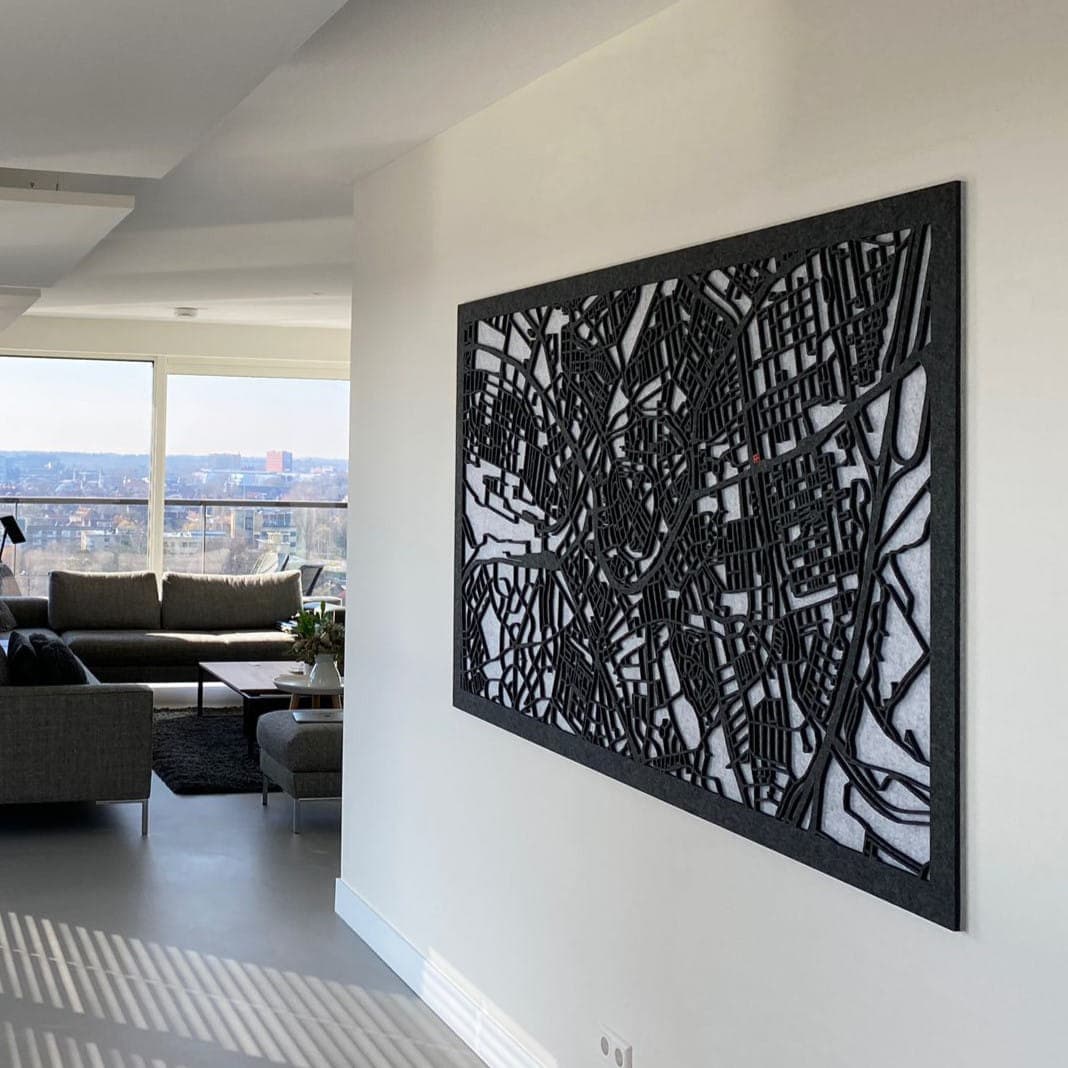
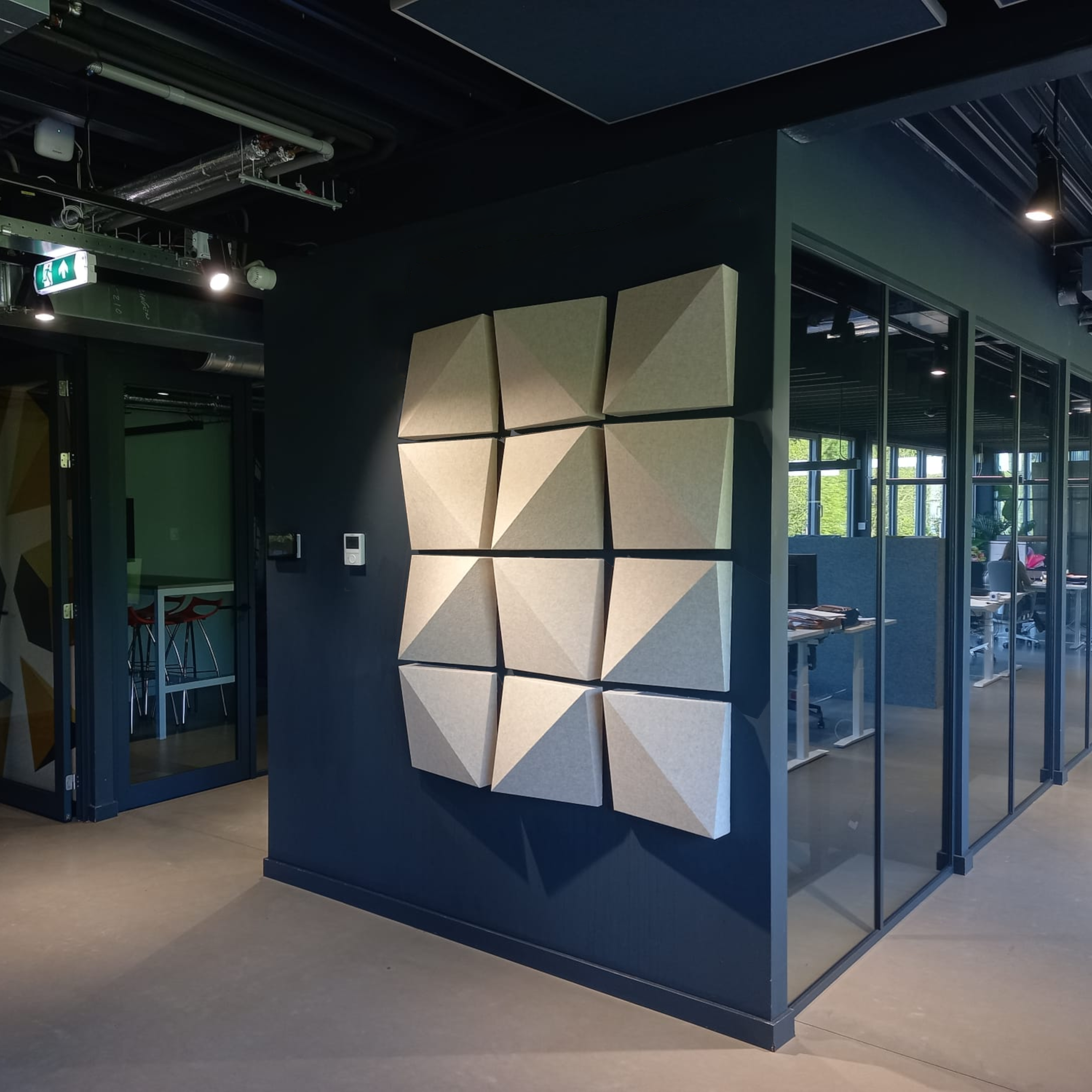
In projects with a lot of glass, transparency often arises, but so does acoustic vulnerability. Concrete provides mass and robustness, but can make a space feel quickly cool. Steel adds precision and rhythm, but often emphasises the sleek, technical side of the interior. Just against that background, a felt wall panel can do a lot. Not by softening the contrast to something neutral, but by adding tension and balance to the whole.
More comfort in use
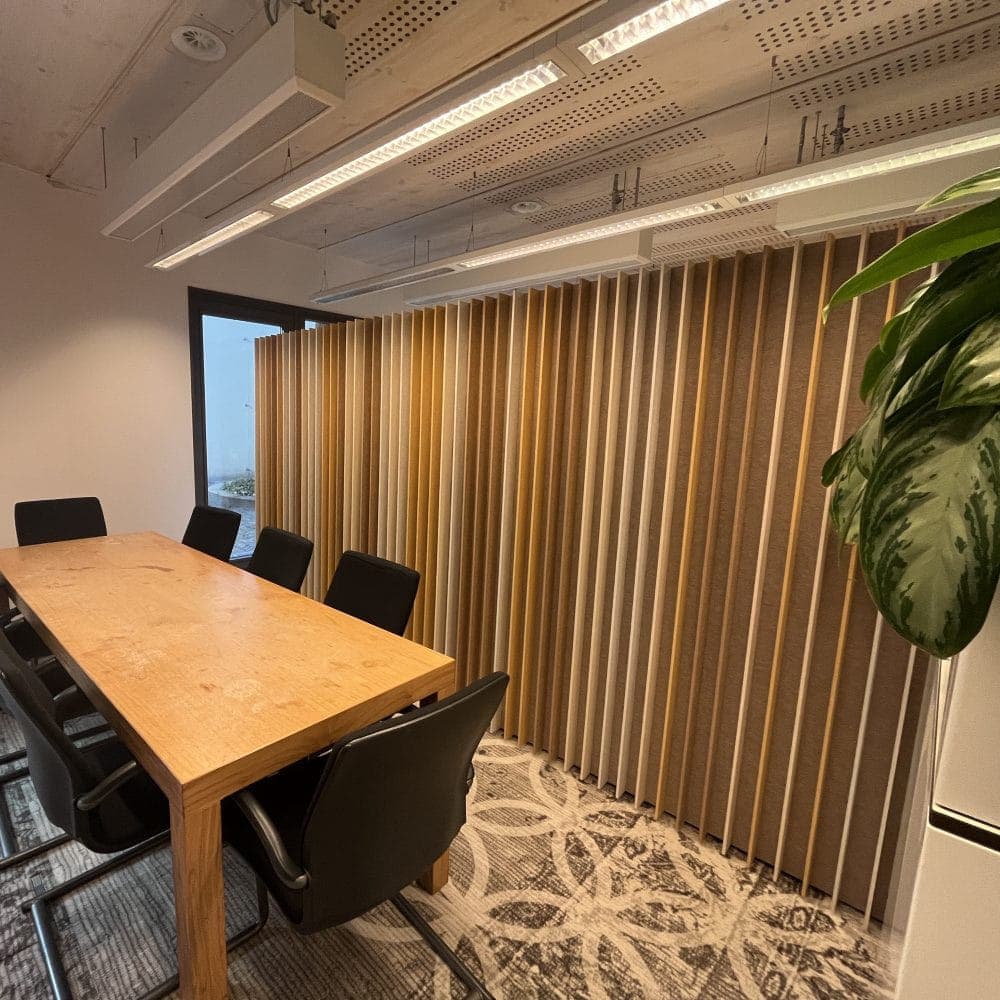
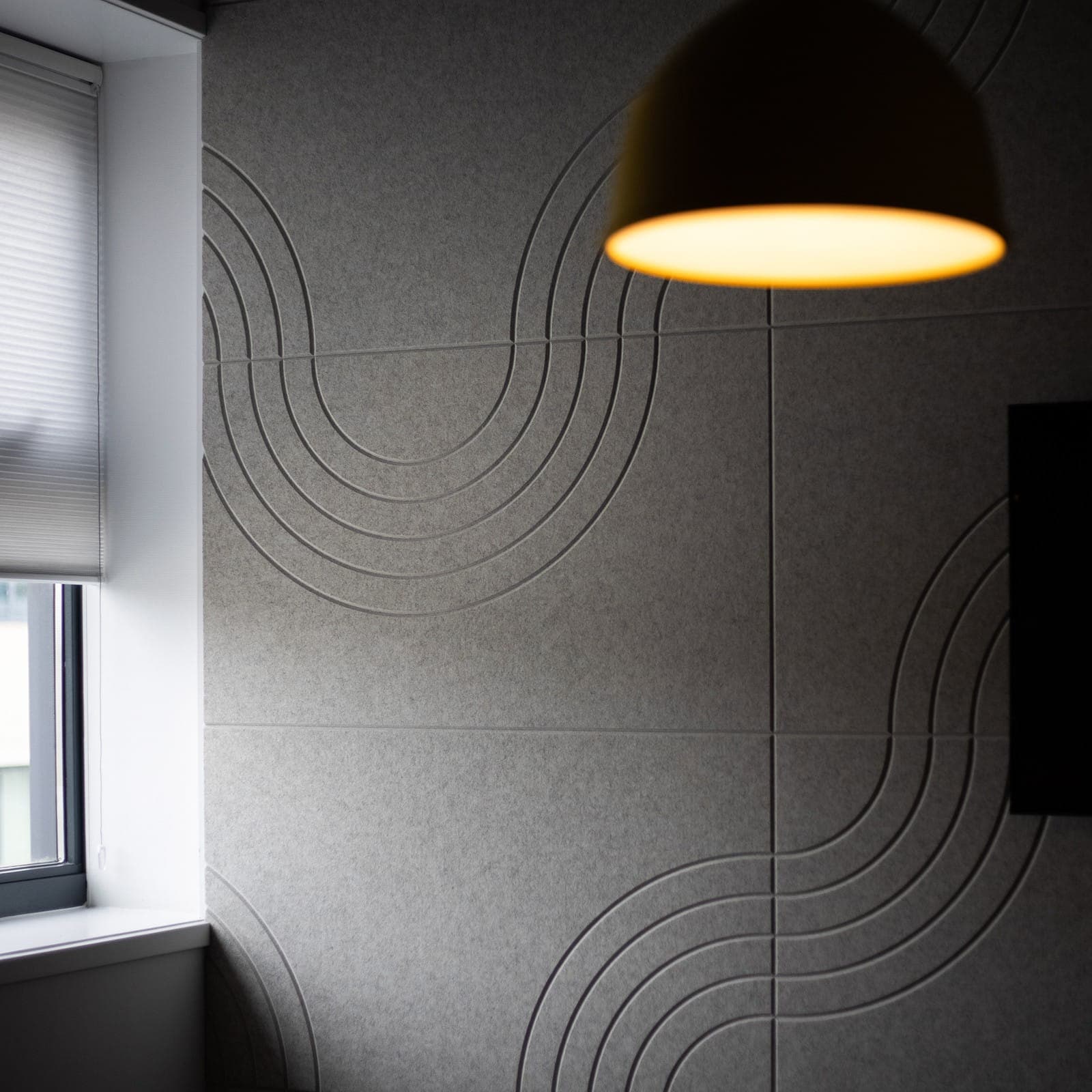
The balance is especially felt in how a space is used. An reception area, meeting room, or workspace with many hard materials can become more quickly exhausting without acoustic countermeasures. By adding acoustic felt to the wall, a softer soundscape is created and often a more pleasant visual depth as well. The wall becomes less flat, the space less harsh.
Minimalism with a tactile layer
Also, leather can be very well combined with minimalist architecture as a wall material. The matte appearance and clean workability often complement projects where precision is important, while the material still adds a tactile layer.
The Power of Adding
For many modern interiors, the quality does not lie in replacing glass, concrete, or steel, but in adding a well-chosen counterpart. Acoustic wall covering made from PET felt makes this possible in a way that is both aesthetically and functionally convincing.
The result is not a softer interior in the literal sense, but a better balanced space. And it is often within that balance that the true quality of contemporary design lies.