










Why acoustic felt fits into human-centered and biophilic interiors
More and more designers are looking beyond aesthetics alone. An interior should not only be beautiful but also feel pleasant, provide a sense of calm, and contribute to the well-being of the user. Within this development, human-centered and biophilic design principles are gaining importance. Materials play a significant role in this, precisely because they determine how a space sounds, feels, and is experienced.
4 May 2026
From that perspective, acoustic felt is a particularly interesting material. Not because it's a trend, but because it possesses qualities that align well with the needs of human-centric interiors.
A human-centered interior is about more than just ambiance
When designing from a well-being perspective, you not only look at image quality. You also consider concentration, comfort, security, and sensory calmness. Hard surfaces, a lot of reflection, and visual clutter can make a space restless, even if the design looks strong on paper.
A material like PET felt helps to restore that balance. Due to its soft appearance and acoustic properties, a space feels more pleasant, calmer, and less sharp more quickly. In this way, the material contributes to an interior that is not only designed to look at but primarily to be in.


Why hard spaces trigger tension more quickly
Many contemporary interiors feature open floor plans, clean lines, glass, concrete, and other hard finishes. This often creates a striking visual impact, but it can also lead to echoes, noise, and a less comfortable user experience.
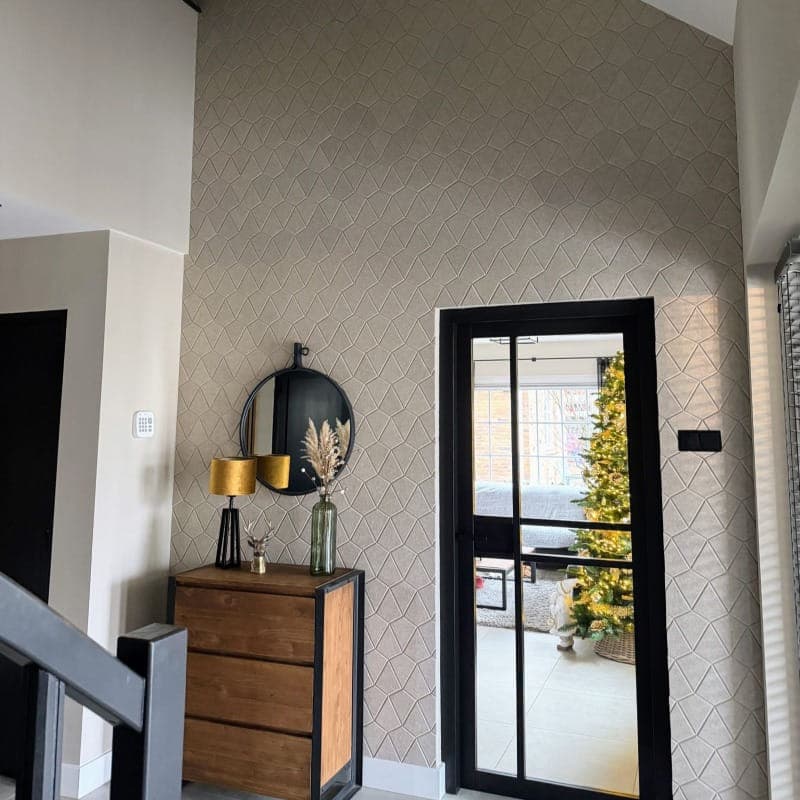
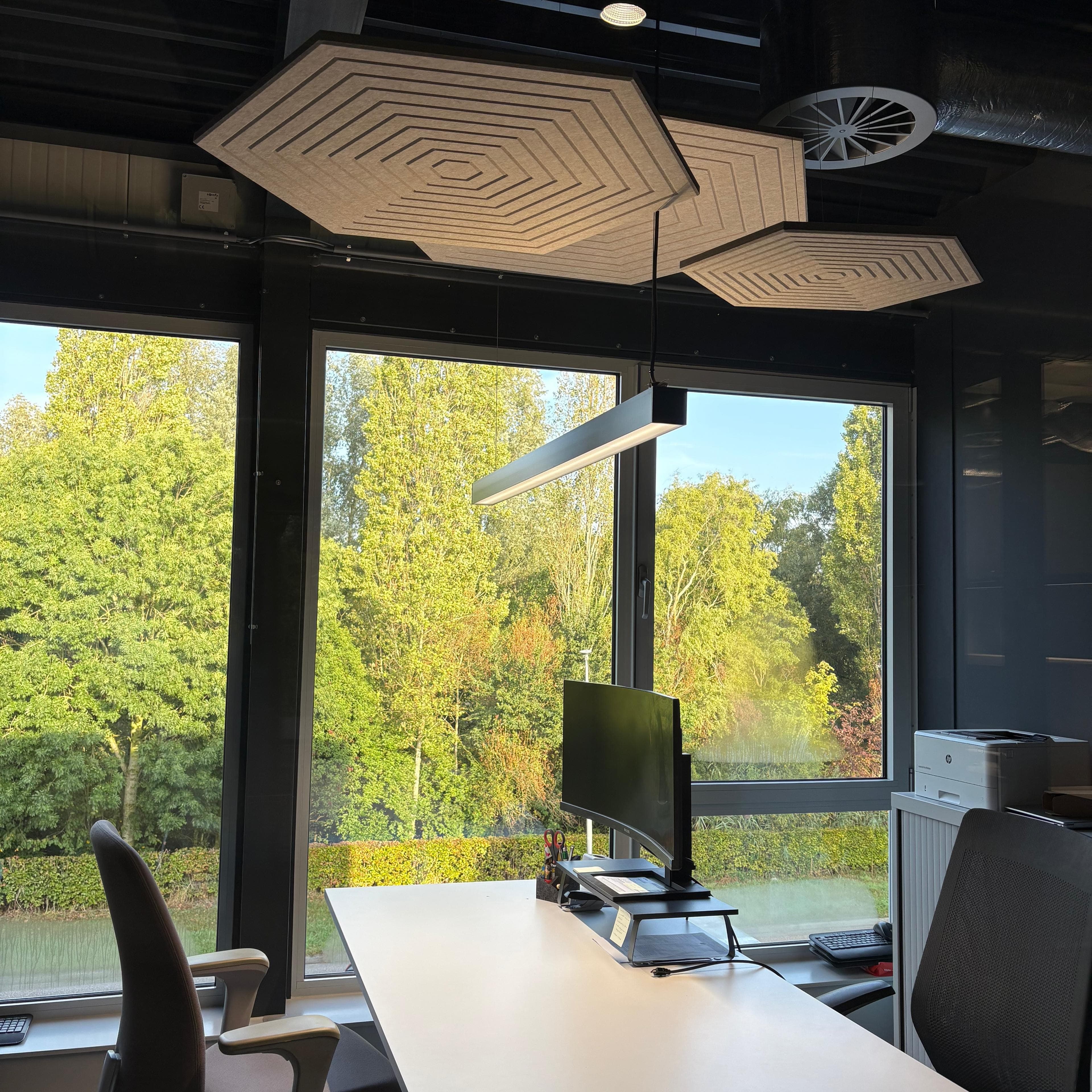
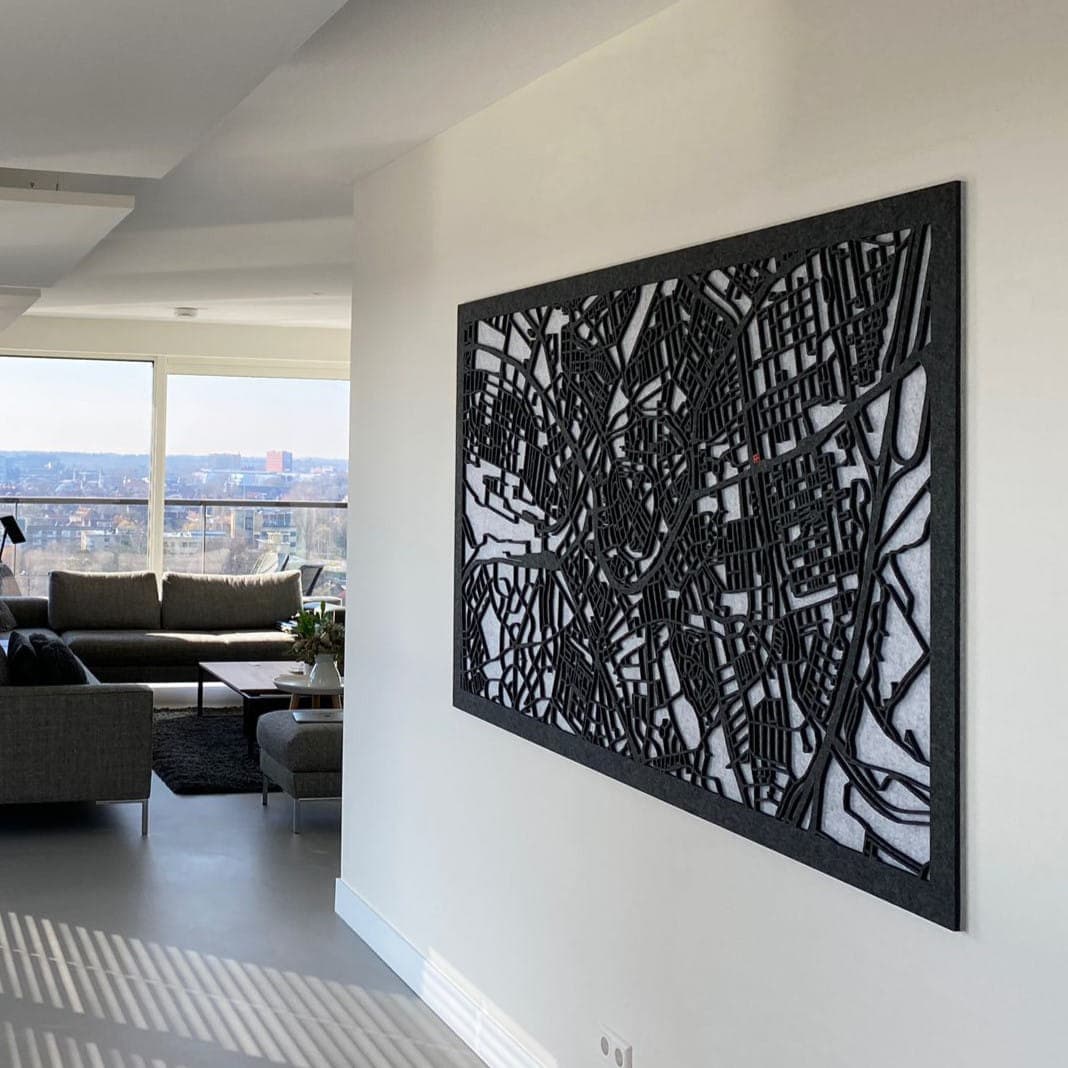
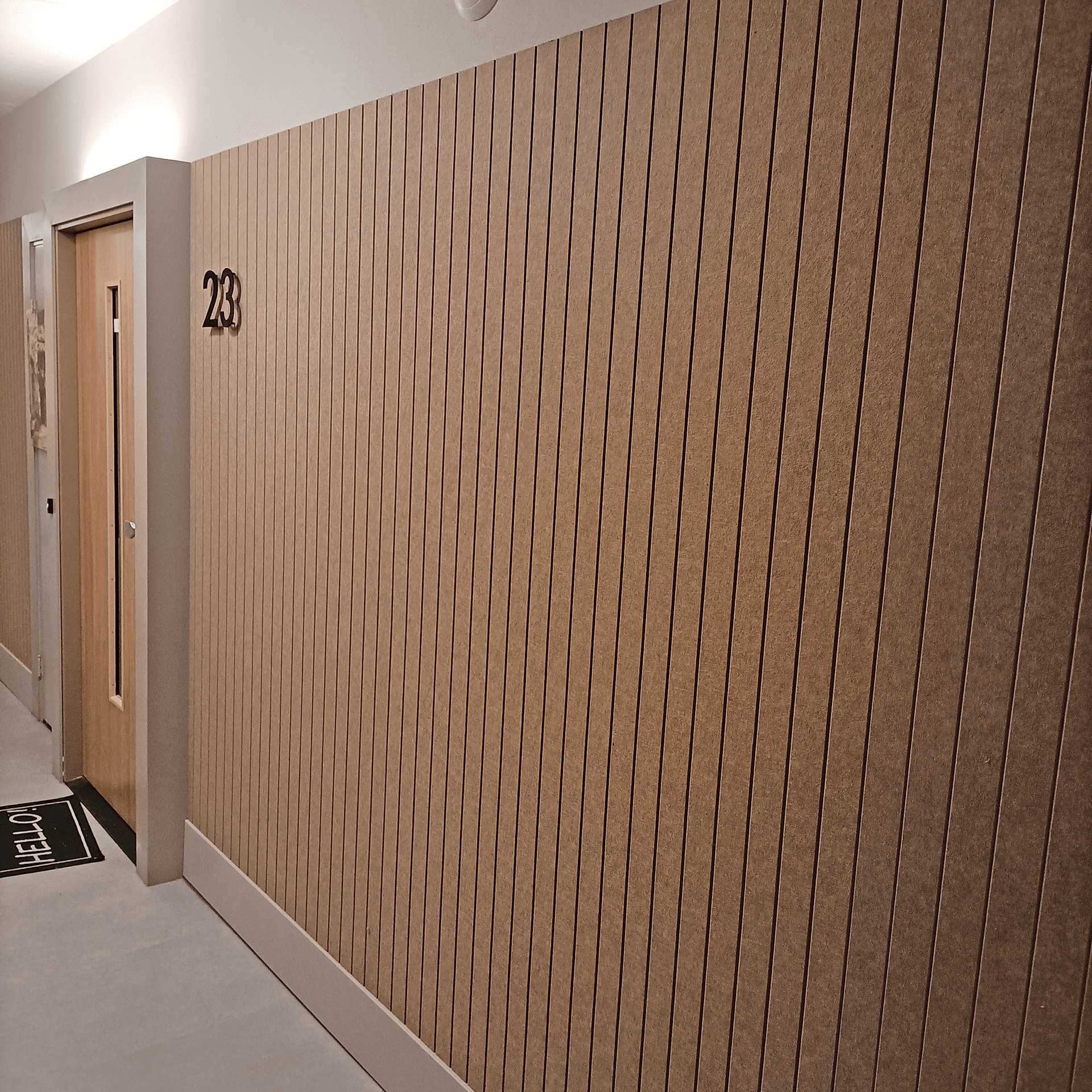
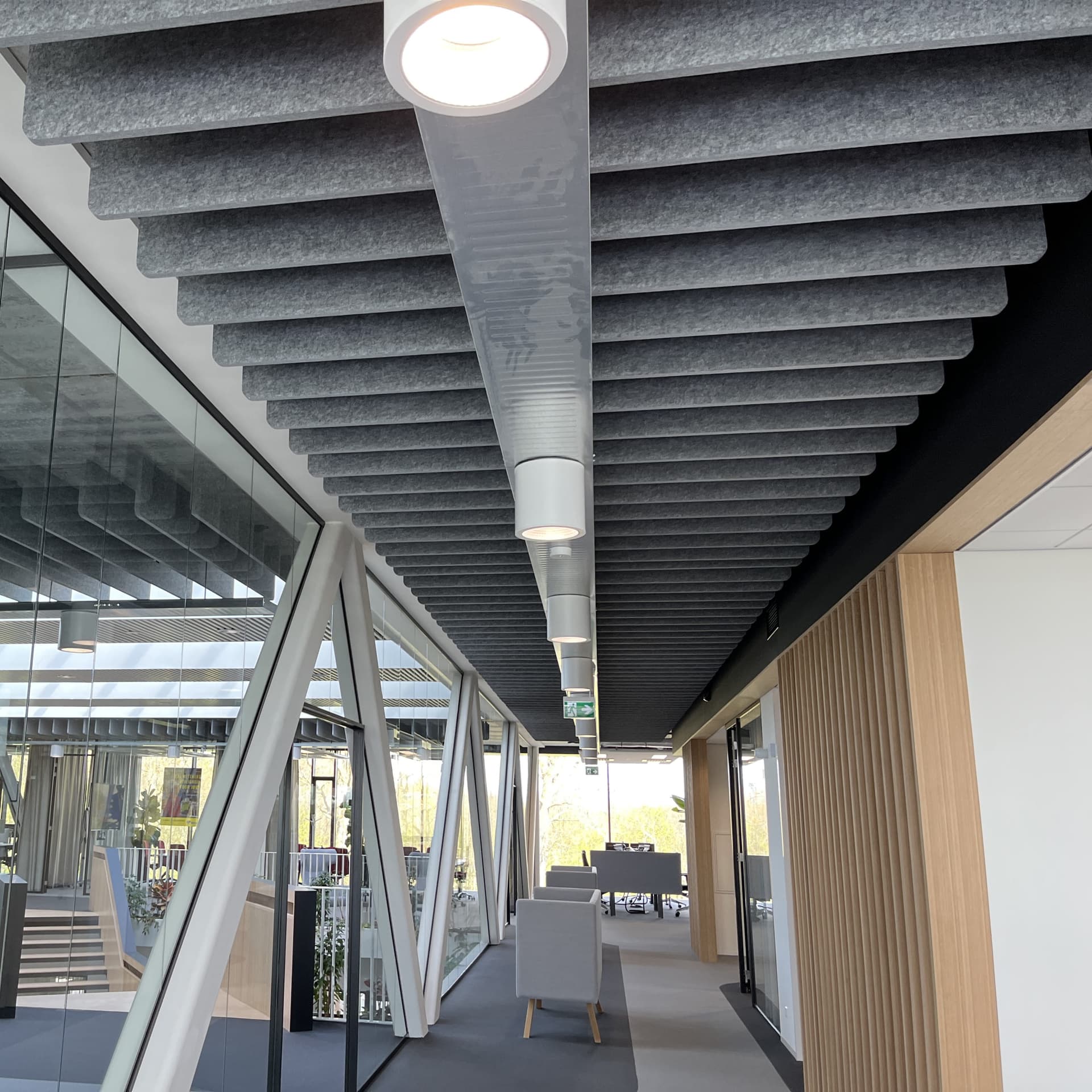
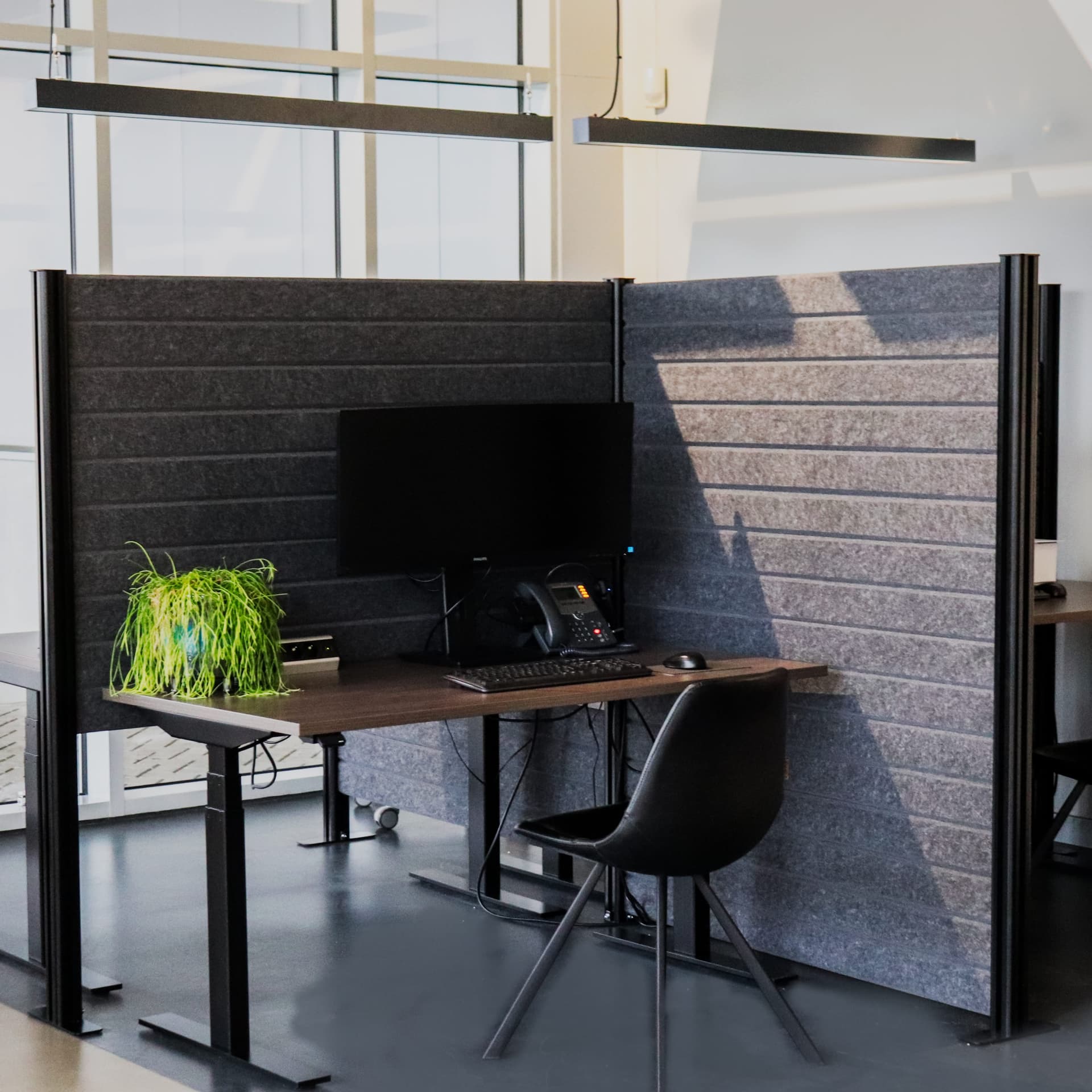
Precisely in that context, acoustic wall covering can make a difference. A felt wall panel not only reduces the hardness of a space visually but also helps to make sound softer and more manageable. You’ll notice this in offices, hospitality environments, and educational spaces, but equally in other types of projects where people gather, work, or stay. For advice tailored to your specific space, we recommend contacting us. Some felt solutions work better than others.


Soft materials make an interior more accessible
Biophilic and human-centered interiors often focus on natural experience, calmness, and tactility. This does not mean that you literally have to work with plants or organic shapes. The main goal is to add warmth and softness to a space with materials.
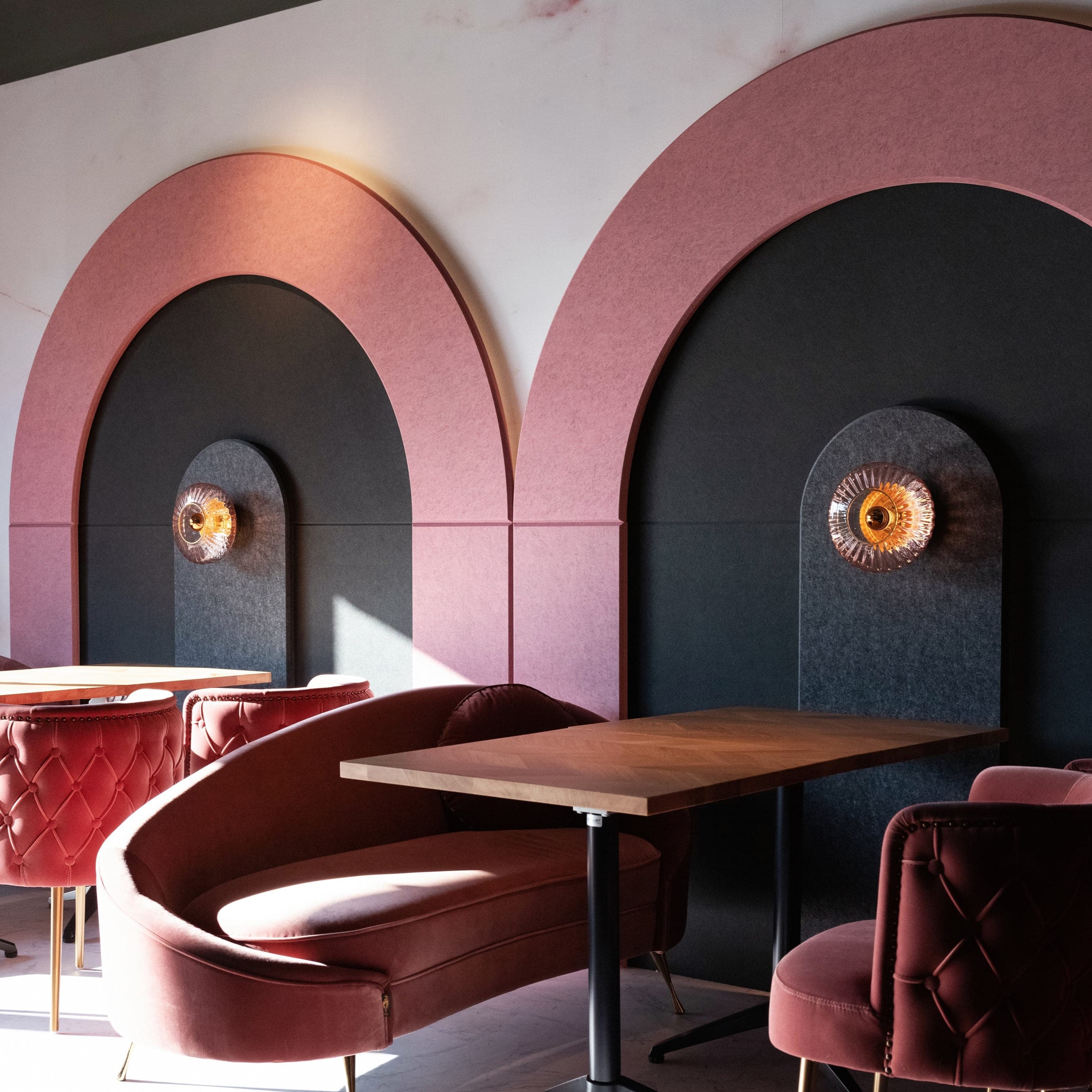
Acoustic felt complements this well. It has a matte, friendly appearance and introduces texture without visual excess. As a result, a space feels more welcoming and balanced more quickly. For you as a designer, this offers a great opportunity: you can add comfort without sacrificing refinement or appearance.


PET-fleece supports rest, focus, and quality of stay
In a human-centered interior, you want to support users in how they feel and function. Less reverberation often means more calm. More calm often leads to better concentration, more pleasant conversations, and an overall more enjoyable experience.
Felt panels can thus mean more than just decoration. They help you design a space that gently settles with the user. Especially in environments where focus, meeting, or staying are central, this is valuable.

Biophilic design requires material consciousness
Those working from biophilic principles critically examine material perception. How does something feel? How does it look in combination with light? What effect does it have on the atmosphere of a space? Felt can play a supportive role here, precisely because it can be easily combined with wood, natural shades, soft colours and organic compositions.
Therefore, you can use the material very subtly, but also consciously as a design element. In both cases, it contributes to a space that radiates more calm, warmth and human scale.

Well-being often starts with smart material choices
The quality of an interior is not only determined by a strong concept but also by the details that make that concept tangible. Acoustics is one of those details. Material softness too. And precisely at that intersection, acoustic felt has a lot to offer.
If you design for people rather than just for visuals, it makes sense to choose materials that support that ambition. A well-placed felt wall panel does this in an effective way.

Are you working on an interior where calm, comfort, and well-being play a bigger role?
Dan is acoustically really a material that can add a lot both content-wise and aesthetically. Get in touch with us, and we'll think along with you!